
REVIEW · TOURS
Your Kiwi Cultural Connection with Tu Tika Tours
Four hours can change how you see Whangarei. This small-group Māori cultural morning with Tu Tika Tours pairs a shared meal with your hosts, then takes you to Otuihau Whangarei Falls and the AH Reed Kauri Park kauri forest. I love the personal feel with guides Merv and Rangimarie, and I love that lunch, tea, and coffee are handled so you do not start the day stressed. One consideration: at $245.13 per person, it is not a cheap outing, so it is worth it most if you want a guided, story-led cultural experience.
You will skip public transport with hotel pick-up and drop-off, and the group stays small, capped at 10 (it feels like about 8 in practice). The tour runs about 3 hours 30 minutes, starting at 9:00 am, and it operates in all weather, so come ready for rain and sun.
In This Review
- Key points you will actually care about
- Morning With Tu Tika Tours, and Why It Feels Less Like a Tour
- Getting Oriented at Whangarei isite, Then Kicking Off With a Whakatau
- Otuihau, Whangarei Falls: Where Nature Meets Spiritual Meaning
- AH Reed Kauri Park: Learning to See Native Forest as Living Ancestors
- Mount Parihaka War Memorial: Biggest Pa Site, Big Views, and Storytelling
- The Shared Meal, Lunch, Tea, and Coffee That Make the Culture Part Real Life
- Why the Small Group Size Changes Everything (Max 10)
- Hotel Pick-Up and Drop-Off: The Convenience You Notice Immediately
- Price and Value: What $245.13 Buys You in Real Terms
- Who Should Book This Māori Cultural Morning, and Who Might Skip It
- Should You Book Tu Tika Tours? My Decision Guide
- FAQ
- What time does the Tu Tika Tours experience start?
- Where does the tour begin and end?
- How long is the tour?
- Is food included, or do I need to bring snacks?
- How big is the group?
- Can I cancel and get a full refund?
Key points you will actually care about
- Whangarei welcome with a whakatau before you go anywhere, so the tone is respectful and human right away.
- Otuihau Whangarei Falls (45 minutes) gives you time for the site, not just a photo stop.
- AH Reed Kauri Park (45 minutes) focuses on native forest and kauri trees as living ancestors, not a quick walk through the woods.
- Mount Parihaka War Memorial (45 minutes) adds big views over the city and harbour plus grounded storytelling.
- Meals included (lunch, tea, and coffee) means you can talk and listen instead of hunting for food.
Still weighing up the options? These are the other North Island trips we have written up.
- Hobbiton™ Movie Set Walking Tour from Shires Rest
★ 5.0 · 3,577 reviews - Gannet Safaris Overland tour to Cape Kidnappers Gannet Colony
★ 5.0 · 942 reviews - Cathedral Cove Kayak Tour
★ 5.0 · 887 reviews - Kaituna Cascades – Grade 5 Wairoa River near Tauranga
★ 5.0 · 437 reviews
Morning With Tu Tika Tours, and Why It Feels Less Like a Tour
This is a fully organized morning itinerary in Northland, designed so you do not have to plan, drive, or figure out timing. You meet up in Whangarei, start your day at 9:00 am, and the tour brings you back to the same meeting point at the end. It runs about 3 hours 30 minutes, which is long enough to feel like a real experience, short enough that you will still have energy for the rest of your day.
What I like most is that the tour does not rely on you reading signs or guessing what you are looking at. The hosts guide the conversation around culture, land, nature, and food. You are not just watching from the side, you are learning in a shared space, including time for a meal with your hosts before the landmark stops.
The other practical win: you do not need to bring a snack. Lunch, tea, and coffee are included, so your morning stays smooth. If you have ever done a “culture stop” where the group is hungry and impatient, you already know why that matters.
Getting Oriented at Whangarei isite, Then Kicking Off With a Whakatau
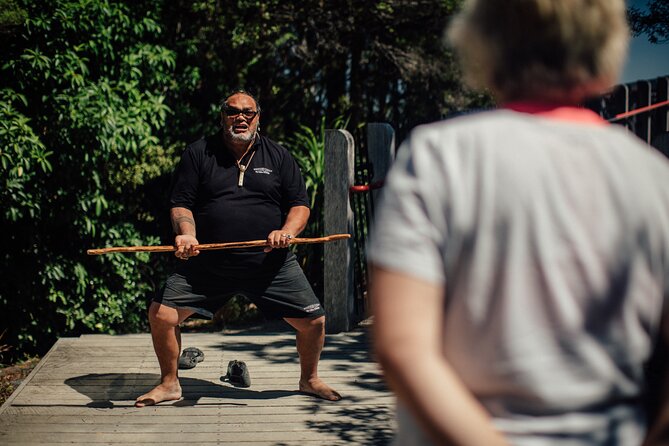
Stop one is Whangarei isite Visitor Information Centre. This is where your day starts with a call of welcome and a whakatau, an informal welcoming ceremony that sets the relationship between you and your hosts. This is not a performance where everyone claps and moves on. It is a way to establish the tone and connect before you head out to the outdoor sites.
You get about 15 minutes here, and because the welcoming happens right at the start, it helps you pay attention for the rest of the morning. Instead of showing up as a random group of hikers, you arrive as people being welcomed into a story.
If you like tours that begin with context rather than jumping straight to viewpoints, this first stop is a big part of the value. It also makes a good early anchor for your questions, since you can ask how the rest of the day will unfold once you understand the purpose.
Otuihau, Whangarei Falls: Where Nature Meets Spiritual Meaning
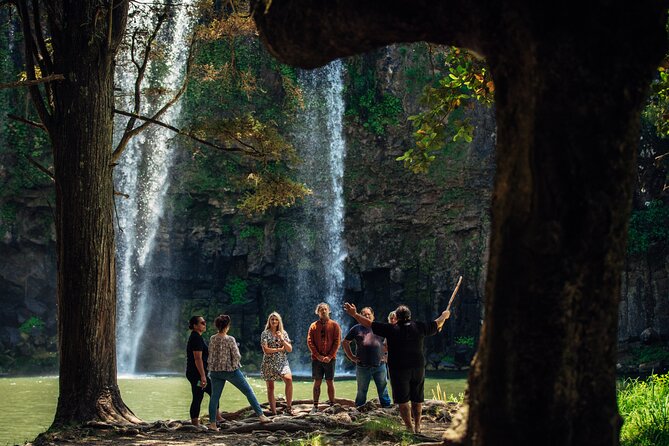
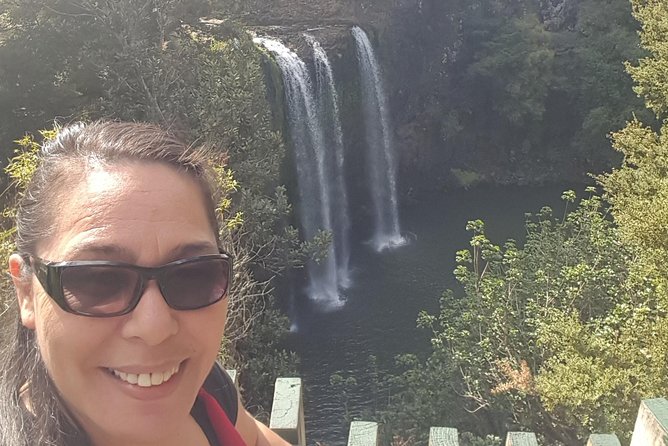
Next up is Whangarei Falls, also known as Otuihau. You will spend around 45 minutes here, and the focus is on the connection and spirituality of the waterfall. The site is described as one of six waterfalls in the district, which matters because it frames the place as part of a bigger local system rather than a one-off scenic spot.
This is one of those stops where you can slow down. The tour does not rush you through the experience. You get time to stand, look, and absorb the feeling of the falls, while the storytelling helps you understand why indigenous communities have long seen places like this as meaningful.
The only drawback I see, and it is common for waterfall stops in Northland, is weather. Since the tour operates in all weather, you will want clothing that works if it is misty or rainy. If you hate getting slightly wet, plan to wear layers that dry fast.
AH Reed Kauri Park: Learning to See Native Forest as Living Ancestors
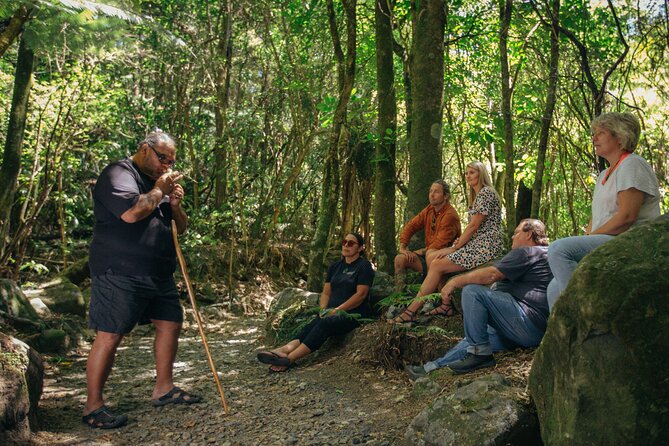
Stop three is AH Reed Kauri Park, with about 45 minutes here as well. This is your kauri forest portion of the morning, and it is framed as time in the realm of native forest, where you can hear the history tied to the magnificent kauri trees.
The way the experience is described, the kauri are not treated like scenery. They are presented as living ancestors, which shifts how you walk through the trees. You start noticing the forest differently, not as a backdrop but as a place with memory and ongoing presence.
One smart thing here is that you get a structured amount of time. A lot of half-day tours either under-allocate forest time or make it a chaotic scramble. This gives you enough room to listen, look around, and take a few photos if you want, without feeling like you are late.
Practical tip: bring or wear comfortable shoes with solid grip. Even if the walking is light, forest paths can be slick when the weather changes.
Mount Parihaka War Memorial: Biggest Pa Site, Big Views, and Storytelling
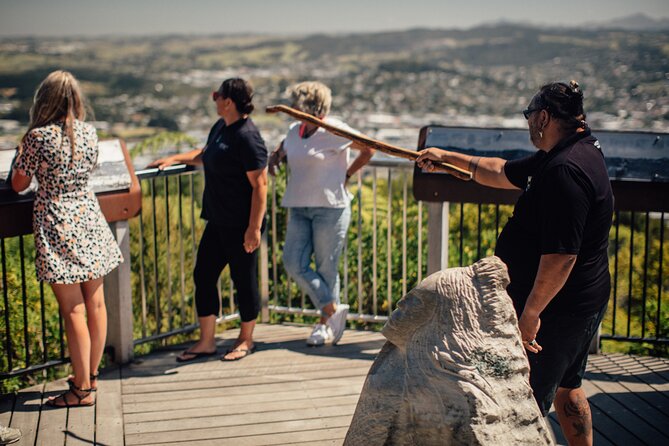
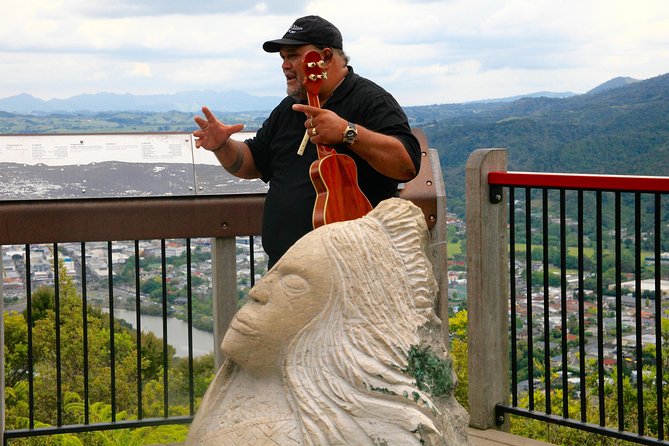
Stop four is Mount Parihaka War Memorial, another 45-minute block. You will learn why this mountain was the biggest Māori pa site in New Zealand during its day, and you will also get views over Whangarei City and the harbour.
The payoff here is the blend of story and scenery. The memorial is a place where history is not abstract. The storyteller helps you connect the meaning of the site to what you can see from the mountain, so the landscape becomes part of the lesson rather than separate from it.
If you are the type who likes a clear arc to the morning, this stop often lands well. By the time you reach it, you have already had the welcomes, the nature connection at Otuihau, and the kauri forest perspective. The memorial ties those themes back into people, place, and enduring memory.
The usual consideration is that viewpoints can be windy. In all-weather tours, you should dress in layers so you can adjust when you reach an exposed spot.
The Shared Meal, Lunch, Tea, and Coffee That Make the Culture Part Real Life
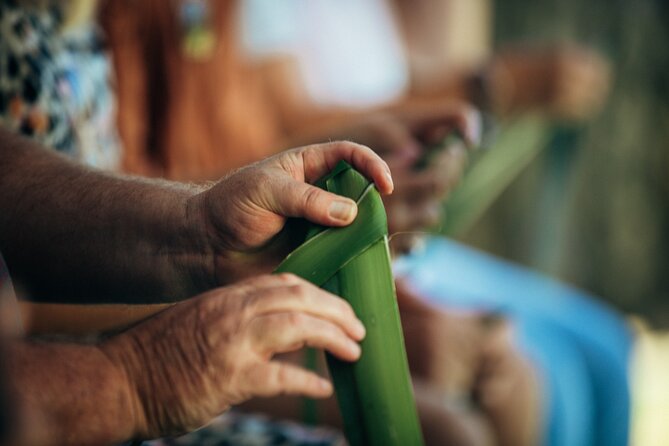
The biggest difference between this tour and the typical check-box sightseeing is the way food and conversation are built in. You share a meal with your hosts, and then lunch, tea, and coffee are included as part of the experience. That means you are not just receiving information while standing outdoors. You are sitting down, talking like real people, and learning through relationship.
This is exactly the kind of structure that makes a cultural morning feel more grounded. If you have ever felt like guided tours treat culture as a lecture, this one is different. The day is framed as joining a Māori whanau, a Māori family, for a meal and learning about indigenous life and culture.
In the feedback you can sense how much that matters. People come away feeling that they understood both past and present, not only facts. The tone is honest and open, guided by Merv and Rangimarie, and that kind of approach tends to stick with you long after you return to your hotel.
My practical takeaway: do not treat this as a “stomach filler” stop. It is part of the learning. If you are curious, ask small questions. Even simple stuff like how people describe the land around Whangarei can turn into a memorable conversation.
Why the Small Group Size Changes Everything (Max 10)
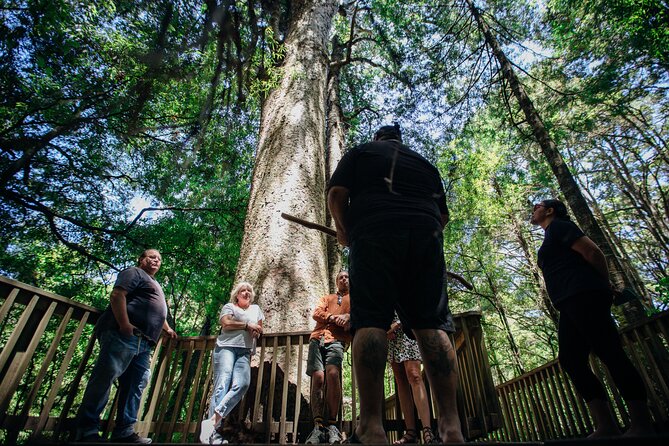
This is a small-group experience with a maximum of 10 people, and the group size keeps the day personal. With fewer people, it is easier to ask questions and easier for your hosts to adjust the pace. It also helps you actually talk to your group, not just sit in silence next to strangers.
That is a big deal on Māori cultural tours. Respect and listening are not just phrases. They come through when the group is not too large.
It also means the tour is a better fit if you want something more than a quick snapshot. If your idea of a perfect day is quiet learning, and you like meeting the people behind the story, this size is ideal.
If you are traveling with kids, the tour says children must be accompanied by an adult, and it is “most travelers can participate.” With four hours of guided stops, it is usually manageable, but you should still plan for breaks and weather. This one operates in all weather conditions, so bring layers and rain protection.
Hotel Pick-Up and Drop-Off: The Convenience You Notice Immediately
One reason this tour works well is it removes the friction of local transport. Hotel pick-up and drop-off helps you avoid public transport, which can be a hassle in a smaller city. You spend less time figuring out where to go, and more time listening.
The tour starts at a specific meeting point: Tarewa Park, 92 Otaika Road, Raumanga, Whangārei 0110. It ends back at the meeting point, which keeps your planning simple.
You also get a mobile ticket, which is handy if you do not want to mess with paper. Confirmation is received at the time of booking, so you are not guessing about the plan the day of your tour.
For me, the biggest convenience is mental. You can show up with fewer logistics worries and be present for the welcome ceremony and the stories that follow.
Price and Value: What $245.13 Buys You in Real Terms
At $245.13 per person, this is not a bargain. But it is also not just paying for a driver and a list of stops. You are paying for transportation, guided storytelling, a small group experience, and included meals.
The structure matters. You get a welcoming whakatau at Whangarei isite, then three landmark blocks with guided context: Otuihau Whangarei Falls, AH Reed Kauri Park, and Mount Parihaka War Memorial. Each stop is allocated about 45 minutes (except the first welcome stop). That time creates space to listen and ask questions, not just rush between points.
Then there is the food. Lunch, tea, and coffee included can easily be the difference between enjoying a morning and being cranky by midday. Add in hotel pick-up and drop-off, and the cost starts to look less surprising.
Another value signal: it is booked about 69 days in advance on average. That often means the tour is popular because people like the small-group format and the host-led approach.
My advice on value: if you want a cultural morning that is more relationship-based than lecture-based, the price feels more like an investment. If you are just chasing scenery and you hate structured storytelling, you might feel it is too expensive for the time.
Who Should Book This Māori Cultural Morning, and Who Might Skip It
This tour fits best if you want meaning, not just sights. I think it is a strong choice for couples, friends, and small families who want to learn about te ao Māori through place, nature, and food, with a personal guide.
It is also a good match if you care about quality of hosting. Merv and Rangimarie lead in a way that feels open and sincere, and people consistently walk away saying it was a spiritual introduction to Aotearoa and to Whangarei as a meeting place connected with whales.
One reason it may not be for everyone: if you mainly want a long hike or a self-paced day, a stop-based itinerary with set durations might feel restrictive. This is structured, and it is meant to keep the story flow intact.
If you are sensitive to weather, remember it operates in all weather conditions. You can still enjoy it, but you should dress smart and expect wet or windy moments at outdoor stops.
Should You Book Tu Tika Tours? My Decision Guide
Book this if you want a small-group Māori cultural morning in Whangarei that includes a shared meal, respectful welcoming, and guided stops with real context. The standout advantage is the combination of relationship-based hosting and practical convenience, hotel pick-up and drop-off plus lunch, tea, and coffee included.
I would also book it if you like guides who can connect what you see to why it matters, from Otuihau to kauri trees and up to Mount Parihaka War Memorial. The pacing works, the group size helps, and the experience is built so you are not exhausted by logistics.
Skip it if you are budget-first, or if your ideal tour is mostly self-guided photo time with minimal storytelling. At $245.13 per person, you should choose this when you really want the guided cultural part.
FAQ
What time does the Tu Tika Tours experience start?
It starts at 9:00 am. The tour ends back at the meeting point.
Where does the tour begin and end?
The meeting point is Tarewa Park, 92 Otaika Road, Raumanga, Whangārei 0110, New Zealand. The activity ends back at the same meeting point.
How long is the tour?
The duration is about 3 hours 30 minutes.
Is food included, or do I need to bring snacks?
Lunch, tea, and coffee are included, so you do not need to pack a snack.
How big is the group?
Maximum group size is 10 people per booking, and the experience is described as small group.
Can I cancel and get a full refund?
Yes. You can cancel up to 24 hours in advance for a full refund.
The Wider North Island Shortlist


Everything Else We Wrote Up in North Island


Just added to our North Island notes
- Wool Sheep Farm Experience with Handmade Wool Hat in New Zealand★ 5.0 · 9 reviews
- Private tour to Cape Kidnappers Gannet Colony★ 5.0 · 10 reviews
- Cathedral Cove Dive & Snorkel- Marine Reserve specialised trips★ 5.0 · 11 reviews
- Leigh: Goat Island Clear Kayak Rental★ 4.0 · 16 reviews
- Fine Wine Tour in Napier, New Zealand★ 5.0 · 17 reviews
- Puketi Rainforest Guided Walks .This is not a Shore Excursion product .★ 5.0 · 20 reviews
Tours, compared.
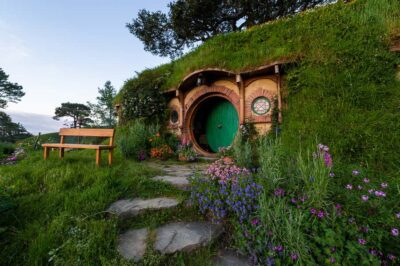 ★ 4.9Hobbiton Movie Set: Guided Tour TicketFrom $718,167 reviews
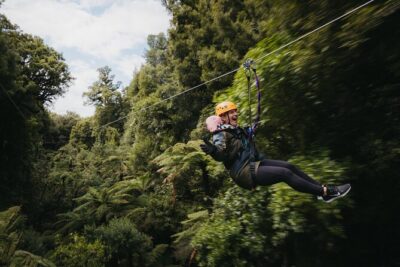 ★ 5.0Rotorua Canopy Tours: 2.5Hour Native Forest Zipline AdventureFrom $1234,563 reviews
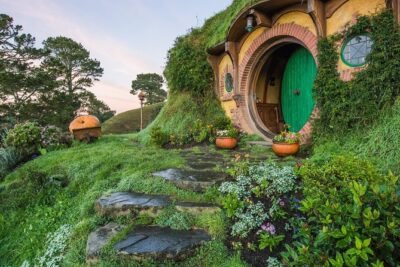 ★ 5.0Hobbiton™ Movie Set Walking Tour from Shires RestFrom $743,577 reviews
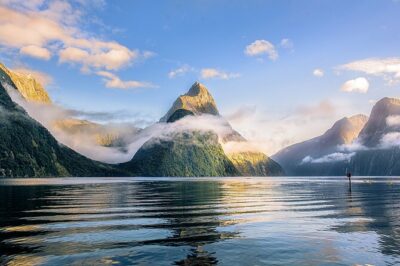 ★ 5.0Premium Milford Sound Small Group Tour & Cruise from QueenstownFrom $2163,001 reviews
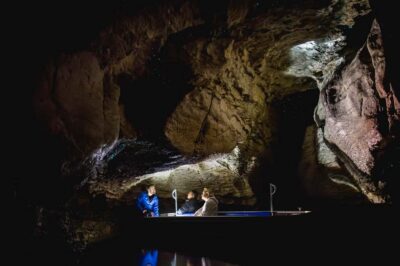 ★ 4.6Te Anau: Glowworm Caves Guided TourFrom $772,611 reviews
 ★ 5.0Milford Sound Fly-Cruise-Fly Tour from QueenstownFrom $4621,792 reviews
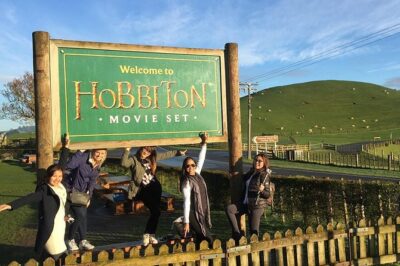 ★ 5.0Hobbiton Movie Set Small Group Tour from AucklandFrom $1831,380 reviews
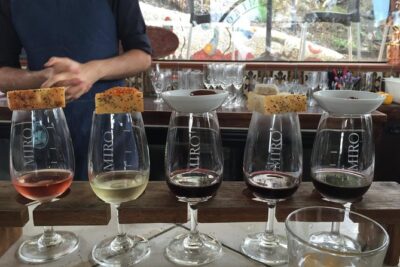 ★ 5.0Waiheke island Wine Tours – PREMIUM wine tasting MAX 11 clients !From $1551,378 reviews