
REVIEW · CHRISTCHURCH TOURS AND ATTRACTIONS
Willowbank Wildlife Reserve Day Entry Ticket
Kiwi viewing in the dark, close up. That is the hook at Willowbank Wildlife Reserve, where you can meet New Zealand’s Big 5 in one day with guaranteed kiwi viewing. I also really like the chance to get face-to-face with kea in a proper enclosure, not from behind a fence line, plus the hand-feeding farm-style moments that make the wildlife feel real. One possible drawback to plan for: the Kiwi Nocturnal House opens at 10:30 AM, so if you arrive late in the day, your “must-see” slot could feel rushed.
Set in a natural-feeling reserve near Christchurch, Willowbank is an easy half-day stop that works for kids and adults alike. You spend time wandering between enclosures, then you slow down with the onsite cafe views over the deer paddock. The only real consideration is timing, especially if weather is rainy or if you are strict about your 4-hour window, because some of the best viewing happens at specific spaces rather than everywhere at once.
In This Review
- Key points to know before you go
- Willowbank Wildlife Reserve, what 4 hours really means
- Kiwi nocturnal house: the main event with no glass
- The Big 5 at Willowbank, what each one is really like
- Kea walks and viewing facilities, how to get the best flow
- Hand-feeding animals on the grounds, fun with rules
- Cafe break and winter comfort, make time for the downtime
- Price and value: $21 for a dense wildlife hit
- Who this is best for in Christchurch
- Should you book Willowbank Wildlife Reserve?
- FAQ
- Where is the meeting point for Willowbank Wildlife Reserve?
- How long does the day entry ticket last?
- Is kiwi viewing guaranteed, and how do you see the kiwi?
- When does the Kiwi Nocturnal House open?
- Can I hand-feed animals at Willowbank?
- Are there age limits for children?
Key points to know before you go
- Guaranteed kiwi viewing at a specially built viewing setup with no glass getting in your way
- The Big 5 in one place, including kea, kaka, takahe, tuatara, and kiwi
- Kea time that feels physical, with a massive enclosure built for close viewing
- Hand-feeding experience using food you buy onsite for farm animals, wild eels, and birds
- Close to Christchurch, about 5 minutes from the airport and 20 minutes from the city center
Willowbank Wildlife Reserve, what 4 hours really means
Willowbank is set up as a half-day wildlife visit, and you’ll feel that right away once you start walking. The reserve is open daily from 9:30 AM to 5:00 PM (closed on Christmas Day), so you can fit it into nearly any Christchurch rhythm, whether you’re landing and stretching your legs or you’re squeezing in one last outing before heading out.
The location makes a difference. It’s about a 5-minute drive from Christchurch Airport and roughly 20 minutes from the Christchurch CBD. That matters because you’re not spending your precious time commuting across town, and you’re less likely to cut things short if your schedule shifts.
A “4-hour entry ticket” also gives you a comfortable pace. You’re not forced into a strict guided pattern. Instead, you can move from the higher-demand animals (kiwi) to the big-name set pieces (the kea enclosure and the tuatara setup) and still have room for the slower parts, like feeding time and a cafe break. If you tend to rush through attractions, this one will slow you down on purpose.
Kiwi nocturnal house: the main event with no glass
Let’s talk kiwi, because this is the whole reason many people make the drive. Willowbank includes guaranteed Kiwi viewing, and the facility is specially constructed so you can see kiwi without glass in the way. That detail is huge. Glass turns animal viewing into a guessing game. Here, the design is meant to make your sightlines better, so your effort pays off.
The Kiwi Nocturnal House opens at 10:30 AM daily, so plan around that time. If you are building your day around wildlife, I’d treat 10:30 AM as your anchor. Arrive early enough to walk the grounds and get oriented, but don’t spend so long on the other animals that you end up feeling stressed waiting for kiwi time.
When you do get into the kiwi viewing area, you’ll notice how different the experience feels compared with daytime birds. The whole setup is meant for nocturnal viewing, and the pacing is quieter. That is also why this stop works well even for people who don’t think they like zoos. It’s not just “look at the animal,” it’s “experience the environment” in a controlled, visitor-friendly way.
The Big 5 at Willowbank, what each one is really like
The Big 5 lineup is what makes Willowbank feel different from a generic wildlife park. You’re not just checking off animals at random. You’re moving through a curated set of New Zealand icons, including kea, kaka, takahe, tuatara, and kiwi.
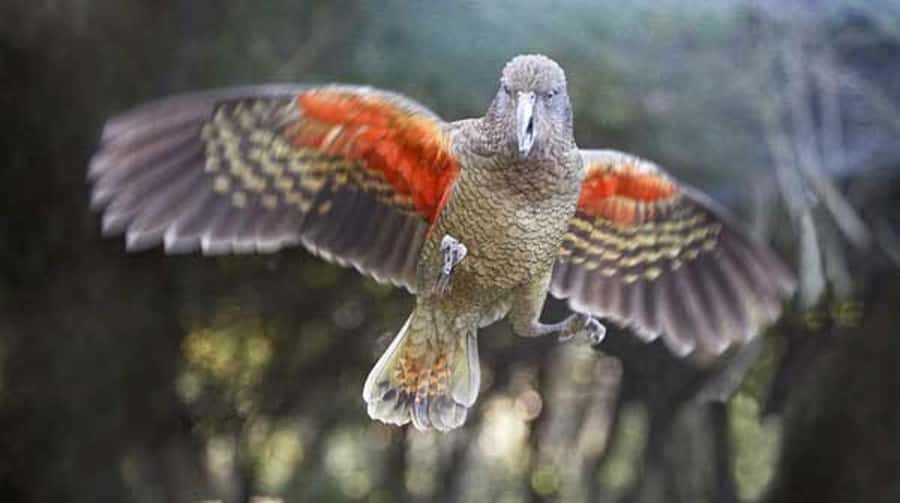
Kea: Start with kea if you like close-up encounters. The reserve gives you access to the massive kea enclosure, and it’s built for visitors to actually walk through and view the world’s only alpine parrot. Kea have a reputation for curiosity, and the enclosure style encourages that kind of close observation.
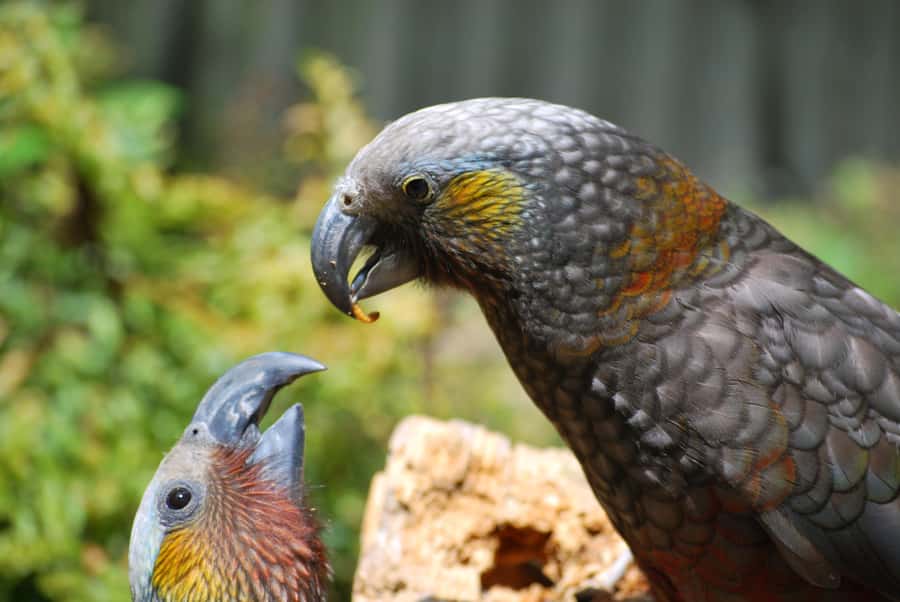
Kaka: This is one of the rare bush parrot species you’ll see, and the experience is a good reminder that New Zealand birds are not all tame, postcard-style pets. Watching kaka here helps you connect the dots between “rare” and “worth protecting.”
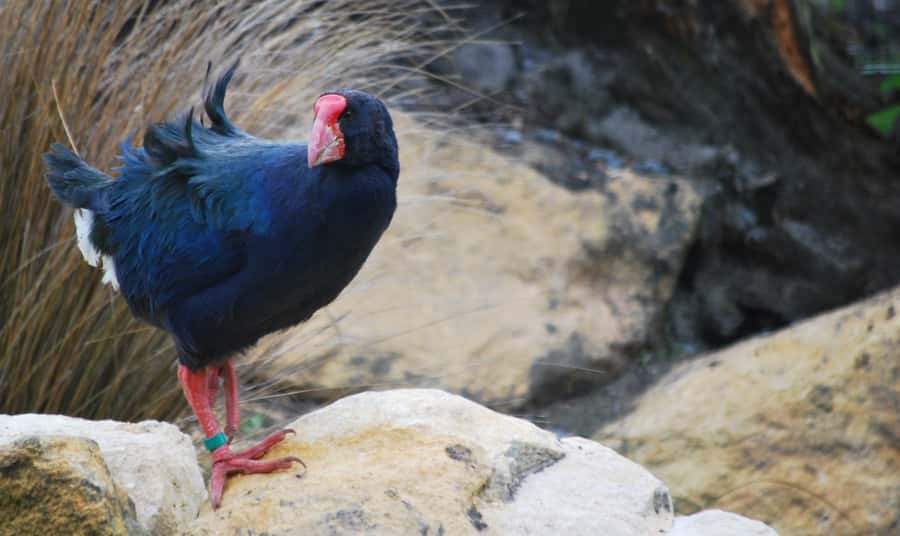
Takahe: These birds are rare birds in the world, and Willowbank’s setup is built around helping visitors understand why they matter. Seeing takahe at a reserve focused on conservation makes the animal feel connected to real-world protection, not just a display.
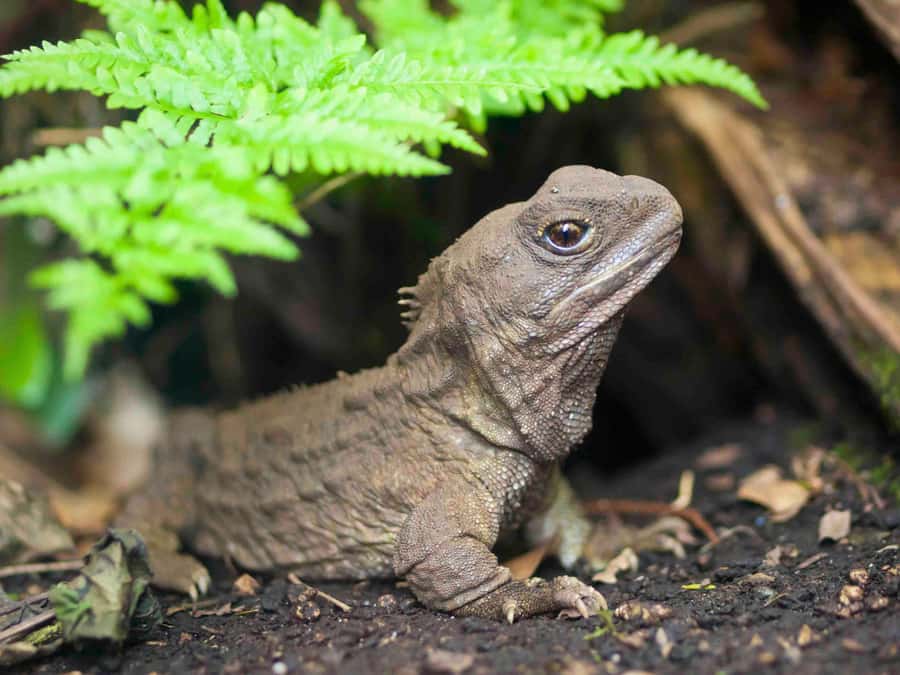
Tuatara: The tuatara is described as the world’s only living dinosaur. The value of that framing is practical: it helps you slow down and look closely. You aren’t just watching a lizard, you’re seeing something that feels like a survival story stretching across deep time.
Kiwi: Then there’s kiwi, the one everyone waits for. The no-glass viewing and the nocturnal setup are the key pieces. If you care about seeing kiwi, this is the part of the day where your focus should sharpen.
Together, these animals make Willowbank a single-stop “New Zealand wildlife mission.” It’s compact compared with trying to see all this across multiple locations.
Kea walks and viewing facilities, how to get the best flow
Willowbank is designed so you’re constantly moving between viewing zones, but not so fast that you can’t catch the details. A useful way to think about it is: some spots demand your full attention (kiwi), while others reward slow wandering (kea and the reserve grounds).
For kea, you’ll get that chance for close viewing because the enclosure is large and visitor-friendly. Walking through a proper kea space changes how the birds behave toward you. It’s less about staring from a distance and more about sharing the same area, which can make the whole encounter feel more vivid.
Then there are viewing facilities, including the specially constructed kiwi viewing setup. These spaces are the reason people leave saying they finally saw kiwi. If your schedule is tight, I’d put your “must-go” spaces in the order of kiwi, then kea, then the rest. That way you protect your highest payoff first.
One practical tip: build in time for your breaks. The reserve gives you spots to pause, including an area with views over the deer paddock. When you’re dealing with active animals, your attention can tire. Taking a breather makes the later viewing better, not worse.
Hand-feeding animals on the grounds, fun with rules
The farm experience is a big part of the Willowbank feel. You can hand-feed animals as you wander the grounds, and you can do it with food you purchase onsite for a small cost. This is offered for farm animals, wild eels, and birds.
Is it worth it? I think it often is, because it changes the experience from passive viewing into active interaction. When you can feed an animal yourself, you notice behavior faster. You also get those moments where kids stop asking “is that it?” and start paying attention to how animals move and respond.
That said, feeding changes the energy in the area. Animals gather where food is, and that can mean you need to manage your own patience and pacing. The best approach is simple: follow staff instructions, keep your movements calm, and don’t rush to the front just to be first. If you treat feeding like a short guided interaction rather than a crowd event, it stays enjoyable.
If you’re visiting with young kids, the feeding parts can become the highlight of the day, especially because they’re more hands-on than the bird viewing. If you’re visiting as a wildlife photo person, feeding time can help you get more predictable animal positions, but only if you remain respectful of the rules onsite.
Cafe break and winter comfort, make time for the downtime
Willowbank is not only enclosures. There’s an onsite cafe and bar, which makes the whole half-day plan easier. You can take a break before or after you do the main viewing, and you can reset without having to leave the property.
One detail I like for planning: you can relax while overlooking the deer paddock. That’s a small thing, but it helps you avoid the “we did everything, now what” problem. Wildlife days can run long mentally, and a comfortable pause keeps the last hour enjoyable.
In winter, the reserve adds a roaring open fire ambience. If you’re visiting during colder months, that warmth makes the indoor break feel like part of the day, not just a last-minute necessity.
Even on a rainy day, having a place to regroup matters. The reserve gives you plenty to see, but weather can change your pace. When it rains, plan shorter viewing loops, then move inside for coffee or a snack, then head back out.
Price and value: $21 for a dense wildlife hit
At about $21 per person, Willowbank is priced for value, not for luxury. The reason it feels like good value is how much is packed into the visit. You’re not just paying for one animal species or one exhibit style. You’re buying a 4-hour entry that includes the key attraction, guaranteed kiwi viewing, plus multiple Big 5 species and a hands-on farm component.
If you compare this to the cost of doing multiple separate wildlife stops around Christchurch and then trying to fit them all into one schedule, Willowbank becomes the efficient choice. It’s also the rare case where the headline attraction, kiwi, is supported by a viewing setup designed to help you actually see the bird.
The “over 50 different wildlife species” detail also adds value in a practical way. Even if one animal is quieter on your visit, you’re not stuck. You can shift your attention to another enclosure and keep the day feeling full.
So the value isn’t just the price tag. It’s the combination of guaranteed kiwi viewing, multiple iconic native species, and a hands-on farm moment, all within a manageable half-day timeframe.
Who this is best for in Christchurch
This is one of the easiest attractions to recommend because it works for different travel styles.
Families: The reserve is suitable for all ages, and feeding and close viewing are the kind of activities that keep kids engaged. If your family loves animals, this is a straightforward win.
Kiwi-focused visitors: If kiwi is your top goal, Willowbank is built around that. The Kiwi Nocturnal House opening time at 10:30 AM is your main scheduling issue, and the no-glass viewing setup is the big payoff.
Short-stay Christchurch visitors: The location near the airport and the compact 4-hour visit make it ideal for people who don’t want to build a whole day around travel time.
Wildlife lovers who want context: Willowbank is also tied to conservation involvement for endangered wildlife. Even without getting overly technical, you get the sense that the animals here are part of a bigger story.
If you’re only interested in one or two animals and you hate walking around reserves, you might feel the time is too “spread out.” But if you like variety, this place is built for you.
Should you book Willowbank Wildlife Reserve?
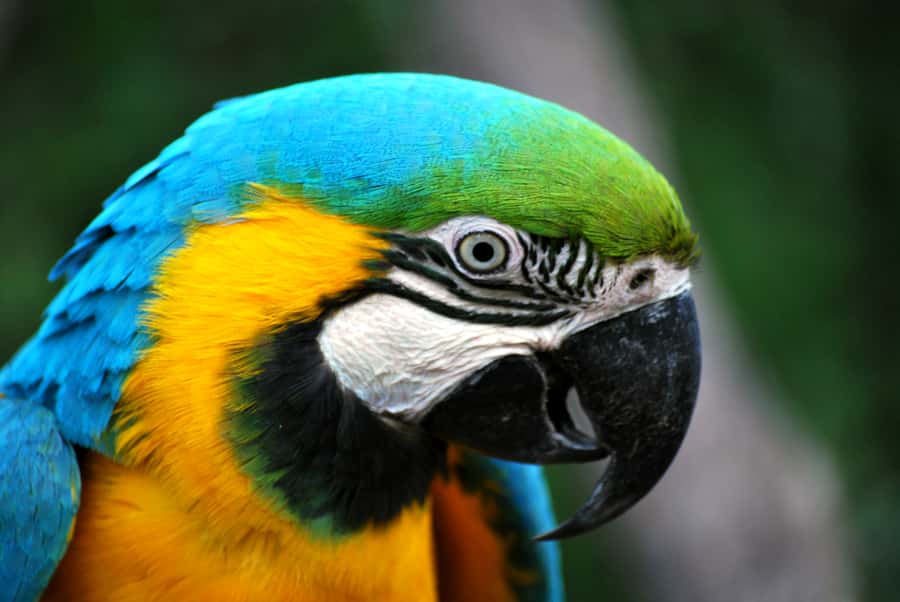
Book it if kiwi viewing is on your shortlist, because the park’s guaranteed kiwi viewing and no-glass viewing facility are exactly what you want. Book it if you also want kea, tuatara, takahe, and kaka in one visit, and if you like the idea of a hands-on farm-style moment where you can hand-feed animals.
Skip it only if your schedule can’t handle the 10:30 AM Kiwi Nocturnal House opening, or if you prefer animal viewing that is purely hands-off and sit-down, with no wandering. Otherwise, this is one of the most efficient wildlife days you can fit into Christchurch, especially given the close location to both the airport and the city.
If you want a simple plan, aim to arrive with enough time to settle in, then prioritize kiwi, then spend your remaining time moving through the Big 5 enclosures and doing the feeding experience at a relaxed pace.
FAQ
Where is the meeting point for Willowbank Wildlife Reserve?
The meeting point is Willowbank Wildlife Reserve, 60 Hussey Road, Northwood, Christchurch, New Zealand.
How long does the day entry ticket last?
The day entry ticket is listed as a 4-hour duration, with starting times based on availability.
Is kiwi viewing guaranteed, and how do you see the kiwi?
Yes. The ticket includes guaranteed kiwi viewing, and there is a specially constructed viewing facility where you can see kiwi with no glass in the way.
When does the Kiwi Nocturnal House open?
The Kiwi Nocturnal House opens at 10:30 AM daily.
Can I hand-feed animals at Willowbank?
Yes. Food for hand feeding can be purchased on the day for the farm animals, wild eels, and birds as you wander the grounds.
Are there age limits for children?
Children aged 15 years and under must be accompanied by a paying adult.
Christchurch Tours and Attractions, compared.
 ★ 4.5Christchurch Hop-On Hop-Off TramFrom $24841 reviews
 ★ 4.5Christchurch Gondola and Tram City Tour ComboFrom $46725 reviews
 ★ 4.6Christchurch: Hop-On Hop-Off Tour by Vintage TramFrom $23717 reviews
 ★ 4.7Christchurch: Tram, Punt and Gondola Ride Combo TicketFrom $68608 reviews
 ★ 4.5International Antarctic Centre General Admission TicketFrom $45484 reviews
 ★ 4.9Mount Cook & Lake Tekapo Day Tour from ChristchurchFrom $146483 reviews
 ★ 4.5Waipara Wine Tour from Christchurch – including Lunch & TastingsFrom $117462 reviews
 ★ 4.6Christchurch: Gondola RideFrom $25408 reviews
Browse the lists this tour appears in