
REVIEW · WAIHEKE ISLAND WINE AND BEACHES
Waiheke Island History and Heritage Tour
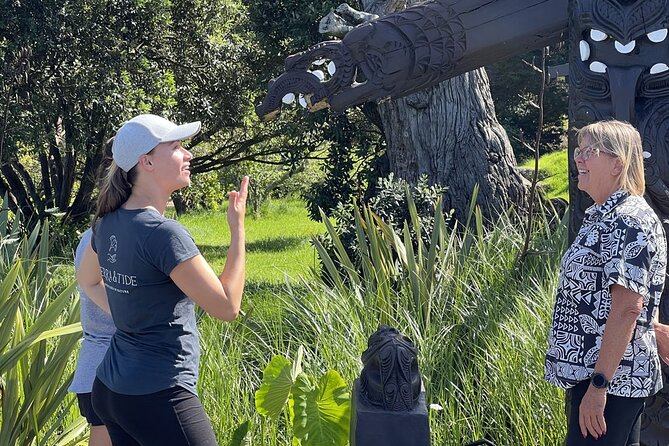
Māori stories make Waiheke click. This 6-hour small-group day pairs big views over the Hauraki Gulf with a Māori-led heritage tour that takes you off the usual tourist loop.
I especially love the cultural depth: carving and traditional tattooing, the revitalisation of Māori language, and the real impact colonisation had on Māori people. You’re not just looking at pretty scenery, you’re learning how land, art, and identity connect.
One caution: it is a full, structured day. If you want lots of unplanned beach time or shopping, the schedule can feel a bit tight, and lunch plus any wine or olive oil tasting stops can affect your total cost.
In This Review
- Key highlights you should care about
- Starting in Oneroa, then getting your bearings fast
- A Māori perspective you can actually feel
- Beaches and sea views, without the rushed checklist vibe
- Native bush walking: medicinal plants and real birdlife
- The pa site summit: kumara pits, shell middens, and defensive terraces
- Lunch at a local cafe, plus where tastings fit
- Price and value: what you’re really paying for
- Timing, pace, and how the 4 pm ferry controls the day
- Who should book this Waiheke heritage tour
- Should you book it?
- FAQ
- Do I need a ferry ticket to get to Waiheke Island?
- What time does the tour start and when does it finish?
- Where do I meet the guide?
- Is lunch included?
- Are wine or olive oil tastings included?
- How big is the group?
- What should I expect in terms of walking?
- Is cancellation free?
Key highlights you should care about
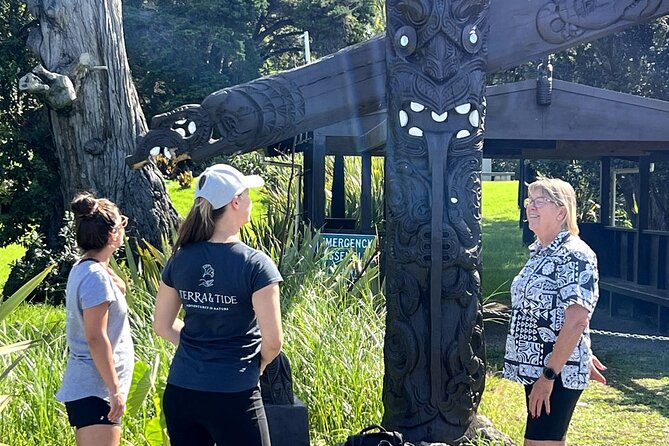
- A Māori guide-first approach focused on stories, language, and lived heritage, not a generic overview
- A native bush walk with traditional and medicinal uses of plants, plus the chance to spot tui, kereru, and piwakawaka
- A summit visit to a pa site with visible archaeological remains like kumara pits, shell middens, and defensive terraces
- Small group size (max 12) for a calmer pace and better questions
- Oneroa orientation and beach viewpoints that help you understand where everything sits on the island
- A return timed for the 4 pm ferry so you’re not scrambling at the end of the day
Still on Waiheke? Here is the rest of the island
- Waiheke island Wine Tours – PREMIUM wine tasting MAX 11 clients !
★ 5.0 · 1,378 reviews - Waiheke Island Premium Wine Tour with Tastings
★ 5.0 · 504 reviews - Waiheke Island: Zipline And Forest Walk
★ 5.0 · 483 reviews - Taste of Waiheke Food and Wine Tour
★ 4.5 · 465 reviews
Starting in Oneroa, then getting your bearings fast
Your day starts at the Fullers360 Matiatia ticket office in Oneroa, 9:45 am, with the guide meeting you right at the wharf area. I like this set-up because you begin with the island in front of you, not after a long, confusing transit chain.
From there, you get an orientation around Waiheke with sweeping sea views: the Hauraki Gulf, Auckland City, and the Pacific Ocean all show up in the mix. It gives you a quick mental map, so later, when you’re walking beaches or looking at ridgelines, you can place what you’re seeing.
This is also where the tour’s “get off the beaten track” goal starts to make sense. Even the viewpoints feel like they’re meant to set context, not just grab a photo.
A Māori perspective you can actually feel
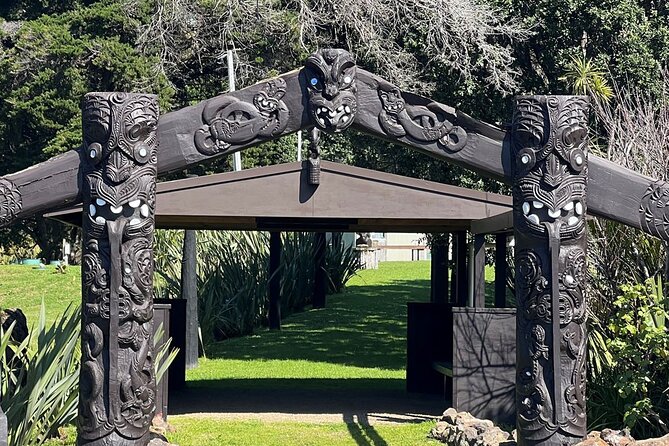
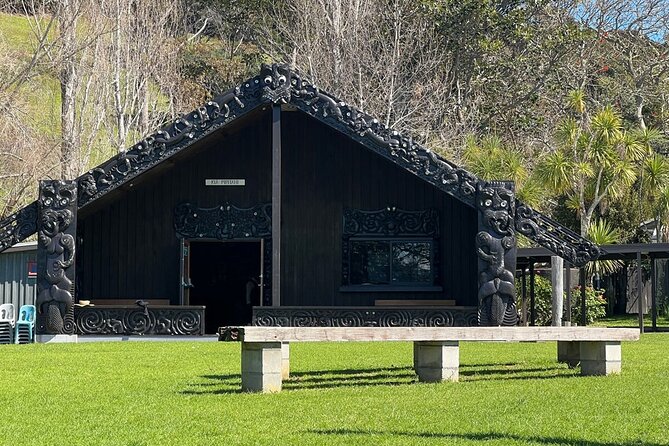
The heart of this experience is a Māori lens on Waiheke Island and its meaning. You visit a focal point of the Māori community on Waiheke, where you learn why carving and traditional tattooing matter, and what they communicate about identity, ancestry, and belonging.
You also hear about the revitalisation of Māori language. That matters because it shifts the story from “old times” to “ongoing life,” which is what makes the cultural content land. And the tour doesn’t sidestep the difficult parts, including how colonisation affected Māori communities.
If you’re the type of traveler who likes hands-on meaning rather than just dates, this is where the value really shows. You’ll leave with a clearer sense of how art forms and language connect to the land itself.
And it is not just lecture mode. A standout theme in feedback is how guides can tailor the day, like giving someone a shorter bush segment if they need it, or adjusting the flow to include small shopping stops. That flexibility matters on an island day when energy levels can swing.
Beaches and sea views, without the rushed checklist vibe
Waiheke has those postcard beaches for a reason, and this tour builds in time to see pristine white sand spots. You’ll also hear the stories and history tied to the places you visit, which turns a beach stop from “nice view” into “understand why this place matters.”
You get a sense of how Waiheke sits in the wider region, between Auckland and the open Pacific. That framing helps you understand why the island’s coastlines and access points are so important.
If you love ocean air and want a day where scenery supports the story, not competes with it, you’ll enjoy this part. Just keep expectations realistic, it’s not a full swim-and-sunbathing marathon.
Native bush walking: medicinal plants and real birdlife
One of the best sections is the guided walk through native bush. This is where the tour earns its name as a heritage and history experience, because you learn traditional and medicinal Māori uses of native plants as you walk.
That kind of learning is practical. You start noticing how the vegetation looks and grows, and the plant knowledge gives the forest a purpose beyond being “pretty green.” It’s the difference between snapping photos and actually paying attention.
You may also see native birds such as tui, kereru, and piwakawaka. Bird spotting is never guaranteed, but when it happens, it feels like the bush is participating in the day instead of just being scenery.
Footing is important here. You should be ready for a walking segment that takes you through bush trails and toward higher ground. Wear shoes you trust on uneven paths.
More history around Waiheke Island
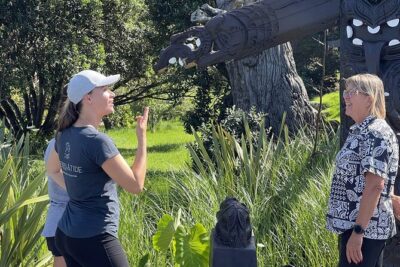
The pa site summit: kumara pits, shell middens, and defensive terraces
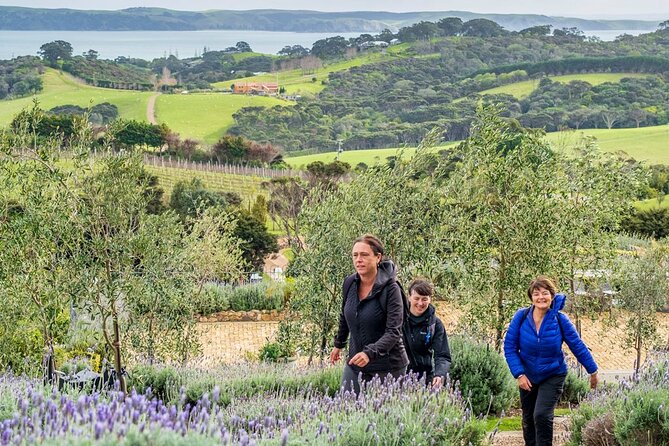
The tour includes a walk to the summit of a pa site, where archaeological remains are visible. This is a serious change in perspective, because you are no longer just learning about culture, you’re standing on the kind of place where communities lived, defended, and farmed.
You’ll be pointed toward things like kumara pits, shell middens, and defensive terraces. Even if you’re not an archaeology person, these terms make sense when you can see the physical traces in front of you.
This part also helps you understand the strategic side of place. Terraces and fortification weren’t built randomly, they reflect how people adapted to land, resources, and safety.
And again, the guide’s role is key. With the cultural context layered on top, the site becomes more than ruins. It feels like you’re looking at how people shaped the island.
Lunch at a local cafe, plus where tastings fit
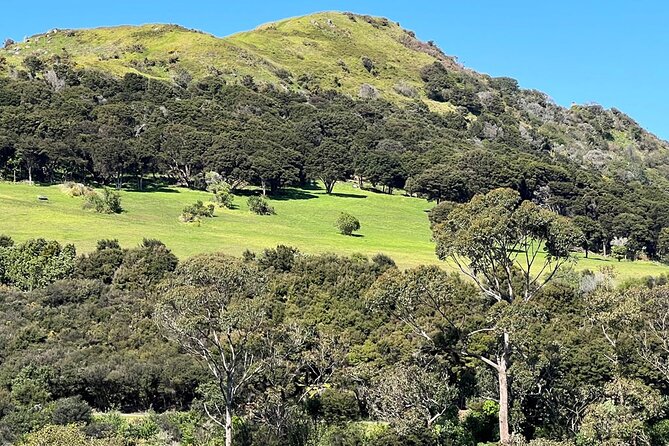
Lunch is at a local cafe with food and coffee. I like that this is included in the day flow, because it gives you a break in a real place on the island, not just a stop that sells snacks.
What to watch for is that wine and olive oil tasting are not included. The tour can include options for tastings as part of the route, but you should expect to pay for them if you choose to do so.
That matters for budgeting. The tour price is not just “sit in a van and look out a window,” you’re paying for an expert guide for the full heritage-focused block. Still, if you want tastings, plan extra spend so you’re not surprised mid-day.
If you enjoy food stops, this is also a good time to ask your guide what to try on your own later. You’ll get better recommendations once you’ve heard the cultural side first.
Price and value: what you’re really paying for
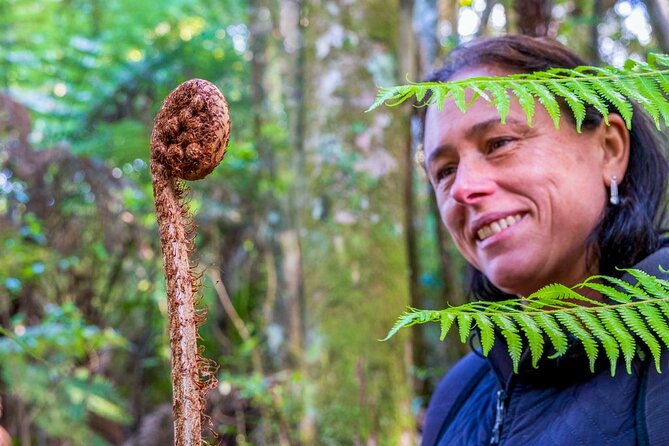
At $381.65 per person, this is not a budget outing. But it also isn’t a generic sightseeing group. You’re paying for:
- An expert local guide who can explain Māori heritage directly
- A full half-day experience that includes orientation, walking sections, and a pa site visit
- Small group format (max 12), which usually means more interaction and fewer people to “share attention” with
Then add the ferry. Ferry tickets are not included, and adult return tickets are listed as $42, which you can purchase through the operator. So your overall day cost is basically the tour fee plus the ferry, then any optional food or tastings you choose.
When this kind of day is worth the money, it’s because you want context. If you only want beaches and views, a self-guided plan could be cheaper. If you want the Māori stories, native plant explanations, and the pa site context, this price starts to make sense quickly.
Also note that the tour is typically booked about 66 days in advance on average. If your travel dates are fixed, don’t wait until the last week.
Timing, pace, and how the 4 pm ferry controls the day
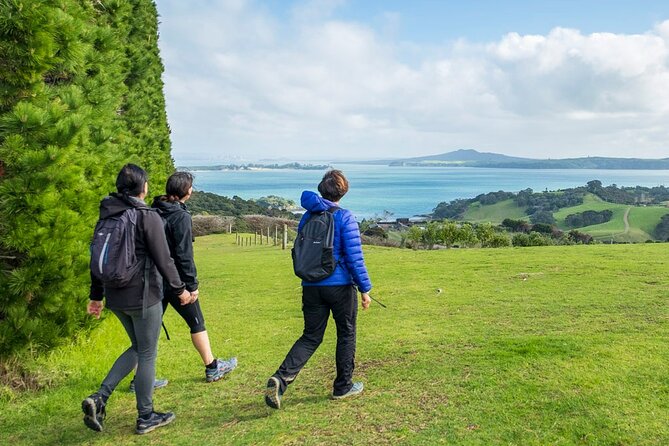
The tour runs about 6 hours and starts at 9:45 am. You’ll finish with a drop back in time for the return 4 pm ferry.
There is also a flexible alternative: if you want to stay longer, the guide can drop you in Oneroa, and you can get back by either a 15 minute walk or a short bus ride. That is handy if you want to browse Oneroa a bit more or keep beach time going.
The pace is active. You’ll do an orientation, beach stops, then native bush walking, and finally the summit walk at the pa site. You do not need to be a hardcore hiker, but you should be comfortable with a guided walking day.
If you have limited mobility, tell the guide in advance. One piece of feedback highlights how guides can tailor parts of the bush route to suit needs.
Who should book this Waiheke heritage tour
This is a strong fit if you:
- Want a Māori perspective that connects culture to place
- Enjoy guided walks where you learn as you go, especially native bush and bird spotting
- Like small groups, so questions and conversation are realistic
- Want one high-quality island day without building your own route from scratch
It might be less ideal if you:
- Prefer total freedom, long swims, or unstructured wandering
- Want only easy, flat sightseeing with minimal walking
- Are trying to keep costs low, especially once you add ferry and optional tastings
Should you book it?
I think you should book this tour if you want Waiheke with meaning, not just a scenic loop. The Māori-led focus, the native bush plant explanations, and the pa site summit visit with kumara pits, shell middens, and defensive terraces give you a day that feels grounded in the island rather than floating over it.
If you’re mainly chasing beaches and wineries as a checklist, you could choose something simpler. But if you want to understand the land through the stories and knowledge of the people who belong to it, this is a very solid way to spend a day on Waiheke.
FAQ
Do I need a ferry ticket to get to Waiheke Island?
Yes. The tour does not include the ferry to or from Waiheke Island. Adult return ferry tickets are listed at $42 and can be purchased from the operator.
What time does the tour start and when does it finish?
The tour starts at 9:45 am. It ends back at the meeting point in time for the 4 pm ferry.
Where do I meet the guide?
Meet at the Fullers360 Matiatia ticket office, 1 Ocean View Road, Oneroa, Auckland 1081, New Zealand.
Is lunch included?
Lunch is included in the day, taken at a local cafe with food and coffee.
Are wine or olive oil tastings included?
Wine and olive oil tasting are not included, so you should expect to pay if you choose to do tastings.
How big is the group?
The tour has a maximum of 12 travelers.
What should I expect in terms of walking?
You can expect a guided walk through native bush, and a walk to the summit of a pa site with archaeological remains.
Is cancellation free?
Yes, free cancellation is offered. You can cancel up to 24 hours in advance for a full refund.
The Wider Waiheke Island Shortlist



Everything Else We Wrote Up in Waiheke Island

The Rest of Waiheke
Just added to our Waiheke Island notes
- Waiheke Island Private History and Heritage Tour★ 4.5 · 7 reviews
- Full Day Private Waiheke Island Wine Tour Including Lunch★ 5.0 · 7 reviews
- Waiheke Island: Scenic PREMIUM Wine Tour. Max 11 clients★ 4.9 · 8 reviews
- Private Dog Friendly Wine Tour with your Local Guide★ 5.0 · 8 reviews
- Flavours of Waiheke, wine, beer, spirits INCLUDES lunch – MAX 11★ 5.0 · 9 reviews
- Sea, Land & Sky Premium Package★ 4.6 · 12 reviews
Waiheke Island Wine and Beaches, compared.
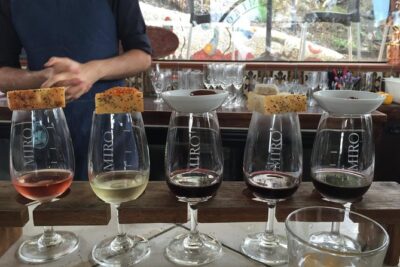 ★ 5.0Waiheke island Wine Tours – PREMIUM wine tasting MAX 11 clients !From $1551,378 reviews
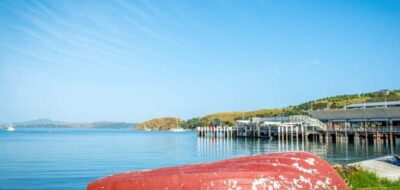 ★ 4.7From Auckland: Waiheke Island Wineries’ TourFrom $110934 reviews
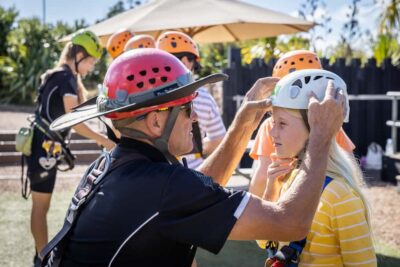 ★ 4.9Waiheke Island: Zipline and Native Forest Adventure TripFrom $89695 reviews
 ★ 5.0Waiheke Island Premium Wine Tour with TastingsFrom $111504 reviews
 ★ 5.0Waiheke Island: Zipline And Forest WalkFrom $92483 reviews
 ★ 4.5Taste of Waiheke Food and Wine TourFrom $179465 reviews
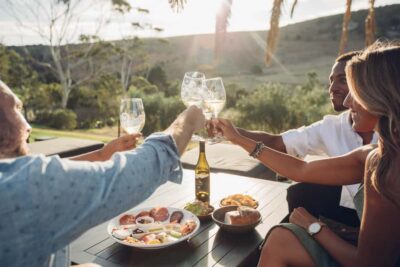 ★ 4.9Waiheke Island: Wine Tour & Lunch at Award Winning VenueFrom $170370 reviews
 ★ 5.0WAIHEKE ZEITGEIST Small Groups Ultra Boutique Off Grid Wine ToursFrom $150333 reviews
Browse the lists this tour appears in