
REVIEW · AORAKI MOUNT COOK AND LAKE TEKAPO
Twizel: Stargazing Tour with an Astronomer and Telescope
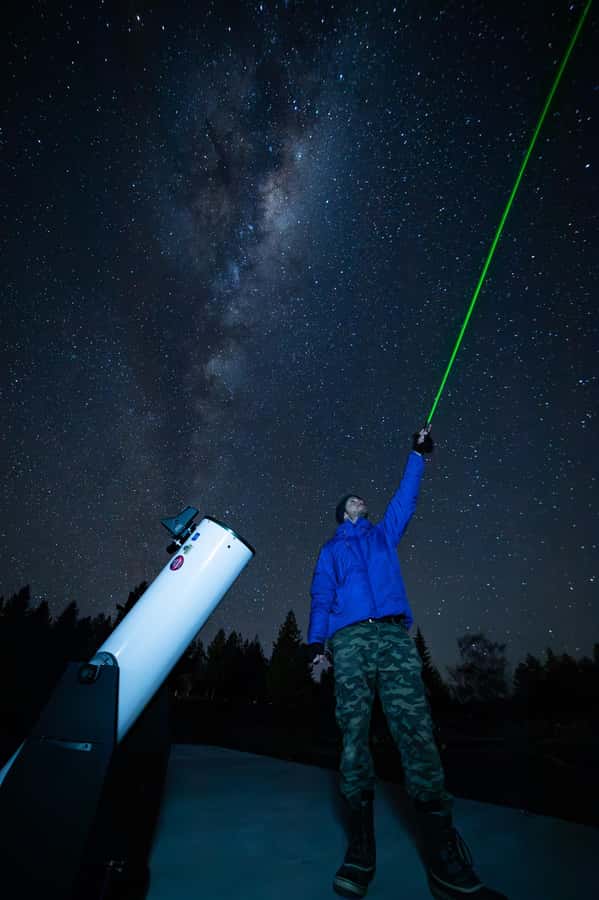
Twizel makes the night sky feel close. In the Aoraki Mackenzie International Dark Sky Reserve, you get a guided small-group astronomy lesson with a laser pointer, then switch to telescope views that match what the sky is doing that night. The whole experience runs about 75 minutes, ending with a personal astro photo under the stars.
I especially like the laser-guided approach. It helps you connect what you hear with what you see, whether you’re learning constellations or tracking planets in real time.
One thing to plan around: the tour runs only in clear conditions, and there are no toilets on-site, so go before you arrive and keep your fingers crossed for a good forecast.
In This Review
- Key points worth knowing before you go
- Why Aoraki Mackenzie darkness makes stargazing easier
- Meeting at Lake Front Road and getting oriented fast
- The laser-guided sky tour: constellations and planets, explained in plain terms
- Telescope time: nebulae, star clusters, galaxies, plus close-up planets
- The finale astro photo, plus night-sky etiquette that keeps it dark
- Value for $59: what you’re really paying for
- Who should book, and who might not love it
- Should you book the Twizel stargazing tour?
- FAQ
- How long is the Twizel stargazing tour?
- How much does it cost?
- How big is the group?
- What is included in the experience?
- Where do I meet the guide?
- What should I bring for the tour?
- Is the tour wheelchair accessible?
- What rules should I follow during the tour?
- What if the weather is cloudy?
Key points worth knowing before you go
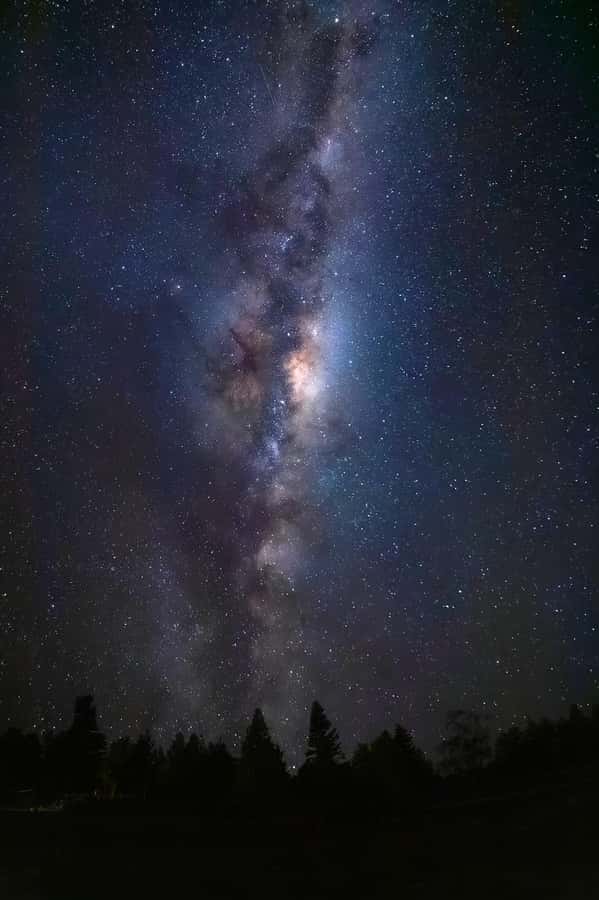
- Dark sky setting in the Aoraki Mackenzie reserve means more stars and clearer views than you’ll get near bright towns.
- Laser-guided stargazing with an astronomer helps you follow along fast, even if you’re new to the night sky.
- Telescope time is tailored to the night with targets chosen based on what’s visible at that time of year.
- A personal astro photo is part of the finale, so you leave with more than memories.
- Small group limit of 10 keeps the experience calm and makes it easier to ask questions.
Why Aoraki Mackenzie darkness makes stargazing easier
Twizel sits in one of New Zealand’s best night-sky regions, the Aoraki Mackenzie International Dark Sky Reserve. That matters because the reserve approach is all about reducing light pollution, so the sky stays dark enough to show details you’d miss elsewhere. When the background is truly black, stars look sharper, and constellations feel less like random dots and more like an organized map.
This tour leans into that setting. You’re not just standing around hoping the sky is good. You’re led to specific objects you can actually see, then supported with telescope viewing for the kinds of targets that show up best in dark, clear conditions.
I also like that the experience ties science to preservation. You’ll hear about the cultural, scientific, and environmental value of keeping night skies protected, which makes the whole thing feel grounded, not just pretty.
Meeting at Lake Front Road and getting oriented fast
Your guide meets you at the car park on the first left as you enter Lake Front Road. The starting location listed is 50 Kate Cameron Drive, so use that as your anchor point and follow local directions to the meeting car park. Arrive about 5 minutes early so you can get checked in before darkness fully settles.
The early minutes matter more than you might think. Before you look through a telescope, your eyes need time to adapt, and your guide needs a moment to set expectations for what you’ll see tonight. In a small group, that setup is usually more relaxed than a big bus-style tour, which means you’re less likely to miss the best introductions.
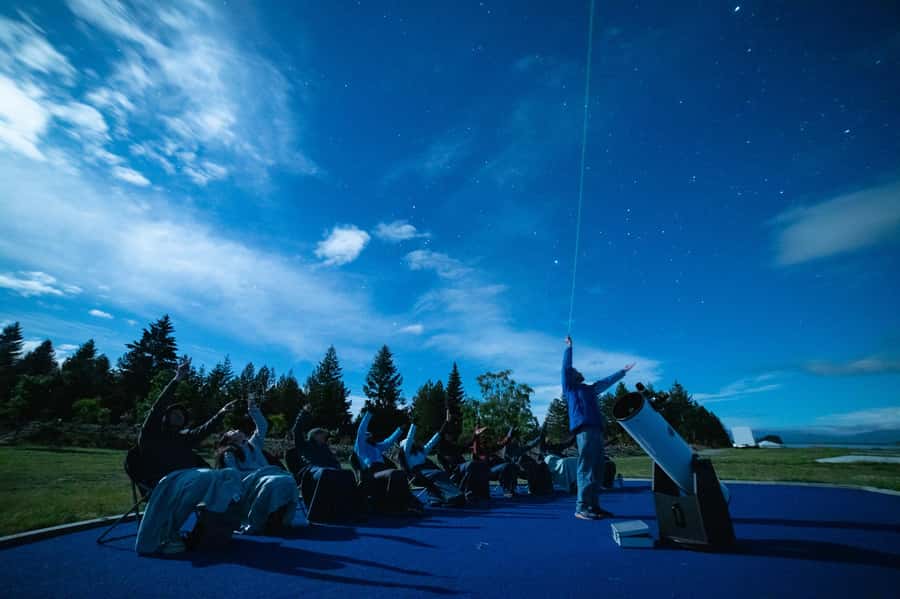
You’ll be seated outdoors with comfortable seating and blankets, so you can focus on the sky instead of thinking about your back or your toes. Do not underestimate the cold, even if it’s summer. The region’s nights can run chilly enough that layers, a hat, and gloves become part of your gear, not an optional extra.
The laser-guided sky tour: constellations and planets, explained in plain terms
The tour is built in two parts. The first part is a laser-guided walkthrough of celestial wonders you can see with the naked eye. Your astronomer guide explains what you’re looking at, including scientific significance, in a way that sticks.
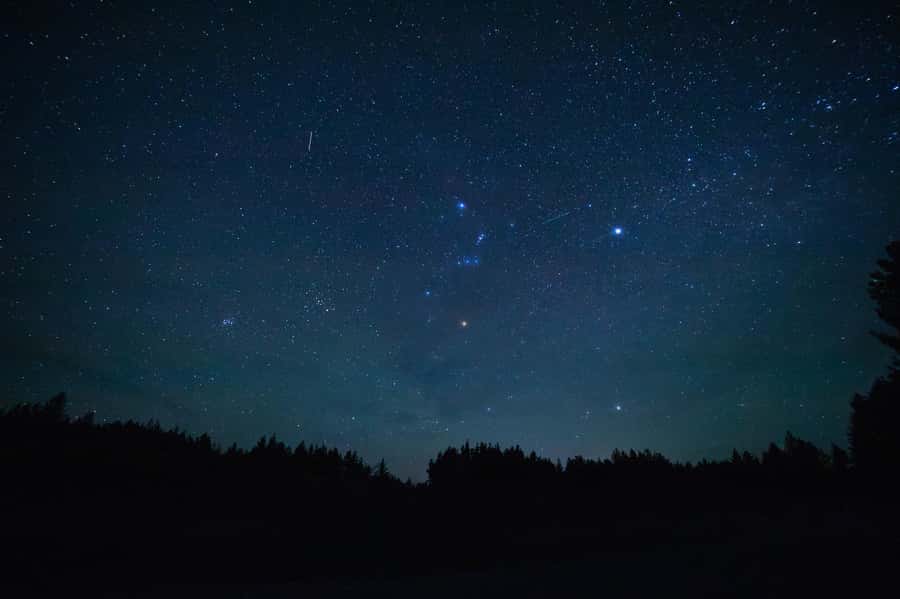
You’ll start by getting oriented to the Southern Hemisphere sky. Expect to learn how stars form recognizable patterns, and how the constellations connect to real distances and real physics. One of the biggest wins is learning to think in light-years. It’s hard to feel scale until a guide puts the numbers into perspective and you can physically point at where that light is coming from.
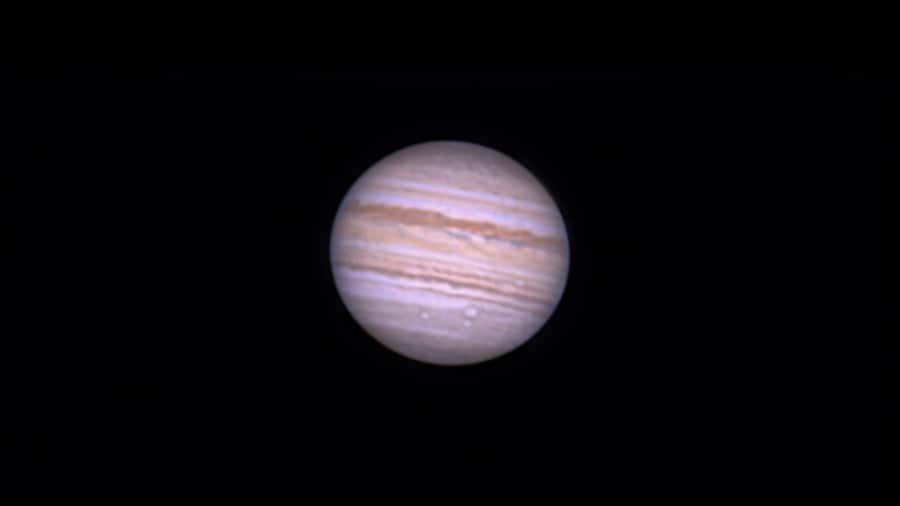
You’ll also learn about planets and what makes them interesting to watch. Recent nights have included views of Jupiter’s bands and moons, plus the kind of contrast you get when you compare a bright planet to the much fainter background around it. Even if you don’t catch every planet mentioned, the method works: you’ll understand what to look for, not just what to admire.
A helpful detail is that the experience is designed to be clear and calm. The laser pointer acts like an interactive map, so you can follow along rather than constantly turning your head and guessing where your guide is pointing.
Telescope time: nebulae, star clusters, galaxies, plus close-up planets
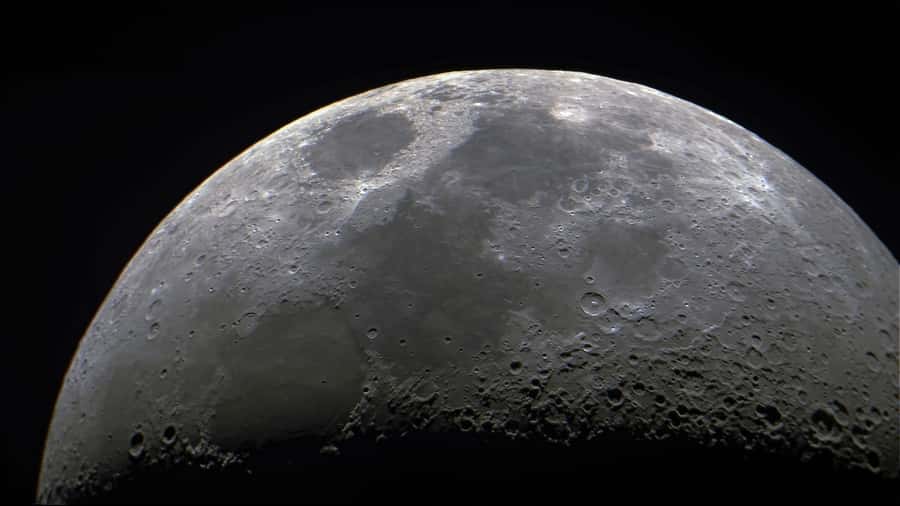
After the sky tour, you move to telescope observations. This is where the night shifts from “pretty stars” to “wow, that has structure.” The guide chooses targets based on the current visibility during your season, so your exact objects can vary.
This is also the part where you’re more likely to notice why Twizel’s dark sky reserve matters. With light pollution, faint objects smear into the background. With darkness, the telescope can show more contrast, and your guide can explain what you’re seeing instead of saying, in effect, maybe it’s there.
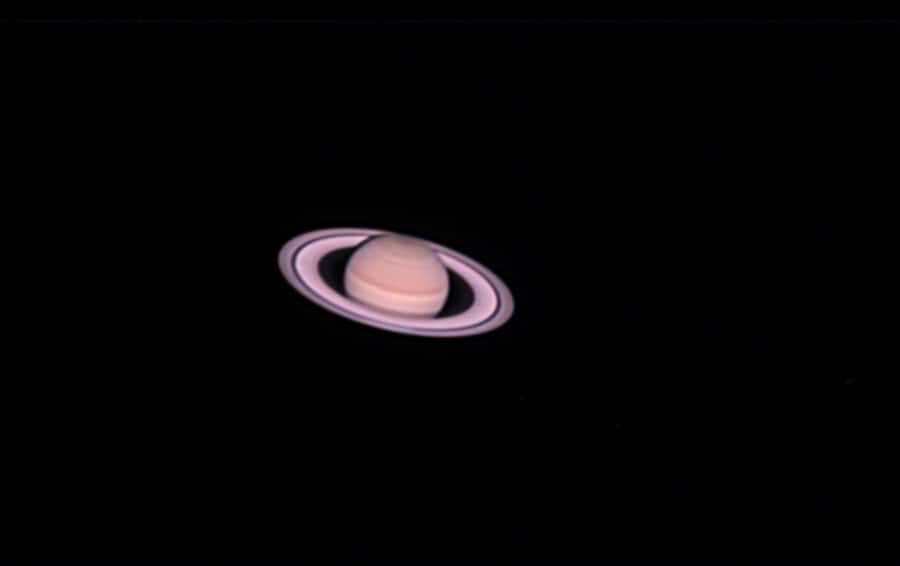
Based on what people have experienced on recent tours, you might get telescope views of targets like the Milky Way structure, star clusters, and nebulae such as the Tarantula Nebula. You may also get close-up views of brighter planets, with examples including Saturn’s rings and moons. Some nights also include discussions of exotic objects like black holes, which can be fascinating as a science lesson even if you’re not literally seeing one as a tiny dot.
The key point: the guide doesn’t just point and let you guess. They give explanations of what’s visible, so you can connect the image in the eyepiece to the larger ideas behind it.
The finale astro photo, plus night-sky etiquette that keeps it dark
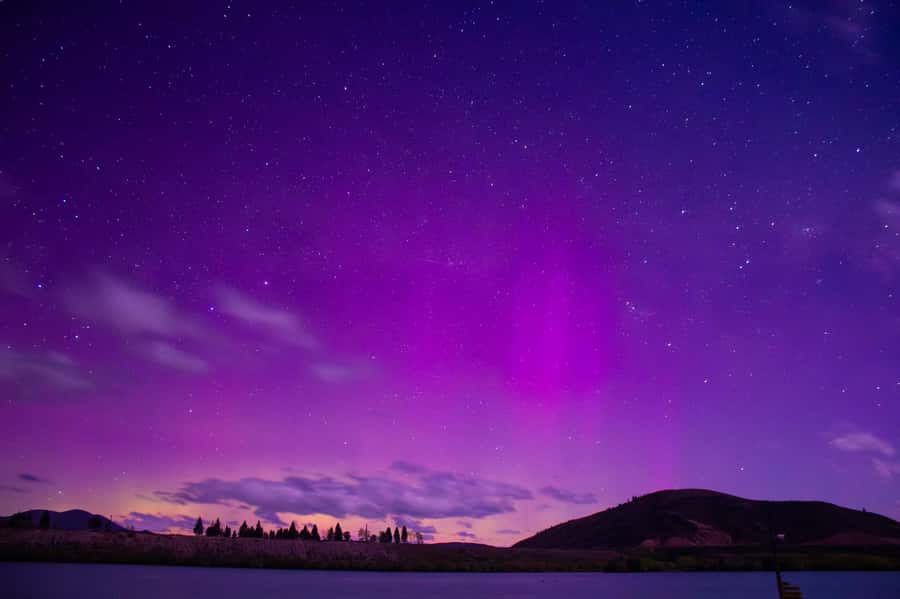
The tour ends with a personal astro photo of you under the stars. That’s a meaningful touch because night photography is tricky to do well on your own, especially in a dark sky reserve where camera settings can be hard to get right quickly. Having a guide take the photo also keeps your attention on the sky instead of the technical gear.
Comfort is handled too. You’ll have outdoor seating and blankets, which makes a big difference for a 75-minute session. You still need warm clothing, but the setup is meant to keep you from feeling like you’re rushing through cold air just to see one telescope view.
Also pay attention to the rules. Flash photography is not allowed, and alcohol and drugs are not allowed. Those restrictions are about protecting everyone’s night vision and keeping the environment safe and respectful. For you, it means fewer distractions and more consistent viewing quality.
If weather threatens the night, tours run only in clear conditions. If your tour does get canceled due to weather, you’ll be offered a refund or a reschedule, so you can plan around it with less stress than you’d expect.
Value for $59: what you’re really paying for
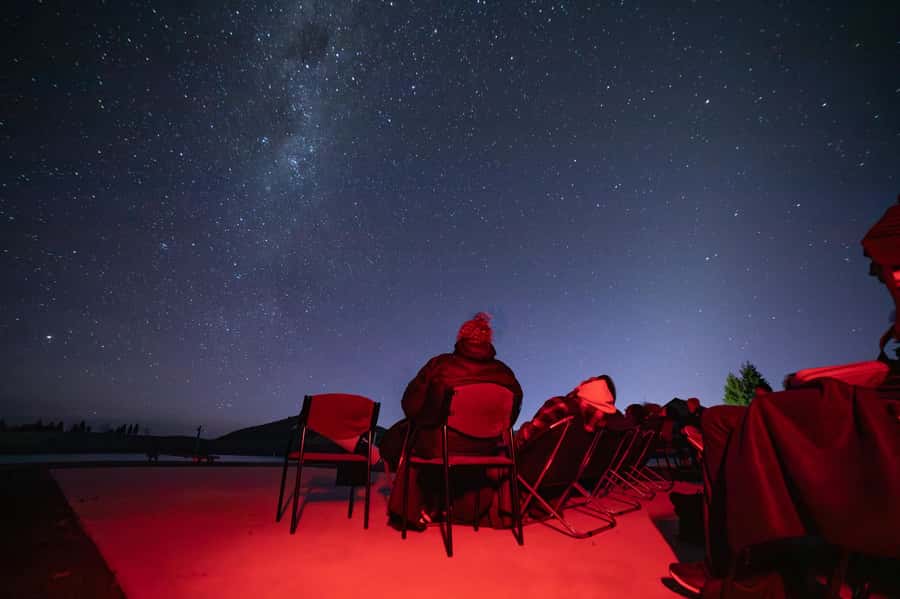
At $59 per person for 75 minutes, you’re paying for three things that are hard to replicate alone. First, you’re getting access to a top-tier dark sky setting in the Aoraki Mackenzie reserve area. Second, you’re getting a qualified astronomer who uses a laser-guided approach to make the sky understandable, not just visible. Third, you’re getting telescope time plus a personal astro photo.
The small group size, limited to 10 participants, is part of the value. It usually means you get a more hands-on experience in the telescope phase and a better chance to ask questions without feeling rushed. People often describe the experience as calm and peaceful, and that fits the format.
This tour also suits different learning styles. If you want pure stargazing, the sky visuals do the work. If you want the science, the guide’s explanations help you understand what you’re seeing and why it matters.
Who should book, and who might not love it
This works well if you like structured learning with a real payoff in visible results. It’s also a strong choice for astronomy fans who want telescope viewing with explanations, not just a quick look. The laser guidance helps beginners too, because you’re not left to figure out constellations alone.
It’s for ages 6 and above, and it’s not suitable for children under 6. If you’re traveling with kids old enough to sit through a quiet outdoor lesson and handle the cold, this can be a great night activity.
If your idea of a great vacation night includes intoxication, loud partying, or flashing lights, skip it. The rules are strict for a reason, and the tour is designed for clear viewing and clear thinking.
Wheelchair access is available, which is a plus for travelers who need a more comfortable way to enjoy an outdoor activity.
Should you book the Twizel stargazing tour?
Yes, if you want a guided night-sky experience in one of the best dark-sky areas in New Zealand, with real telescope viewing and a personal photo to take home. The $59 price feels fair because you’re not just paying for scenery, you’re paying for astronomy explanations, the telescope session, and the photo finale in a limited-size group.
Book it with one practical mindset: dress for cold and be ready for weather. When the sky cooperates, this is the kind of tour that changes how you see everything above you on the next clear night back home.
FAQ
How long is the Twizel stargazing tour?
The tour lasts 75 minutes.
How much does it cost?
The price is $59 per person.
How big is the group?
It is a small group, limited to 10 participants.
What is included in the experience?
You get a guided stargazing tour with a qualified astronomer, use of a powerful telescope, a laser-guided tour with science-based explanations, comfortable seating, and a personal astro photo.
Where do I meet the guide?
The guide meets you at the car park on the first left as you enter Lake Front Road.
What should I bring for the tour?
Bring warm clothing. Even in summer, nights in the Mackenzie region can get very cold.
Is the tour wheelchair accessible?
Yes, the tour is wheelchair accessible.
What rules should I follow during the tour?
Flash photography is not allowed, and intoxication, alcohol, and drugs are not allowed.
What if the weather is cloudy?
Tours run only in clear conditions. If your tour is canceled due to weather, you will be offered a refund or reschedule.
Aoraki Mount Cook and Lake Tekapo, compared.
 ★ 4.5Lake Tekapo: Alpine Stargazing Experience with a GuideFrom $59626 reviews
 ★ 4.9Lake Tekapo: Stargazing ExperienceFrom $71607 reviews
 ★ 4.9Mount Cook & Lake Tekapo Day Tour from ChristchurchFrom $146483 reviews
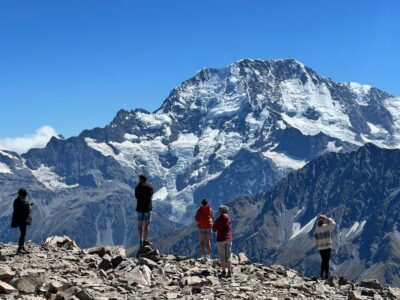 ★ 4.8Mount Cook: Scenic Helicopter Flight with Alpine LandingFrom $226442 reviews
 ★ 5.0Mt Cook Small Group Scenic Day Tour from QueenstownFrom $164407 reviews
 ★ 5.0Mount Cook, Lake Tekapo and Tasman Glacier Tour from ChristchurchFrom $155353 reviews
 ★ 4.6From Christchurch: Mt Cook Day Tour & Lake TekapoFrom $175331 reviews
 ★ 4.8From Queenstown: Mt Cook & Tasman Glacier Viewpoint Day TourFrom $146329 reviews
Browse the lists this tour appears in