
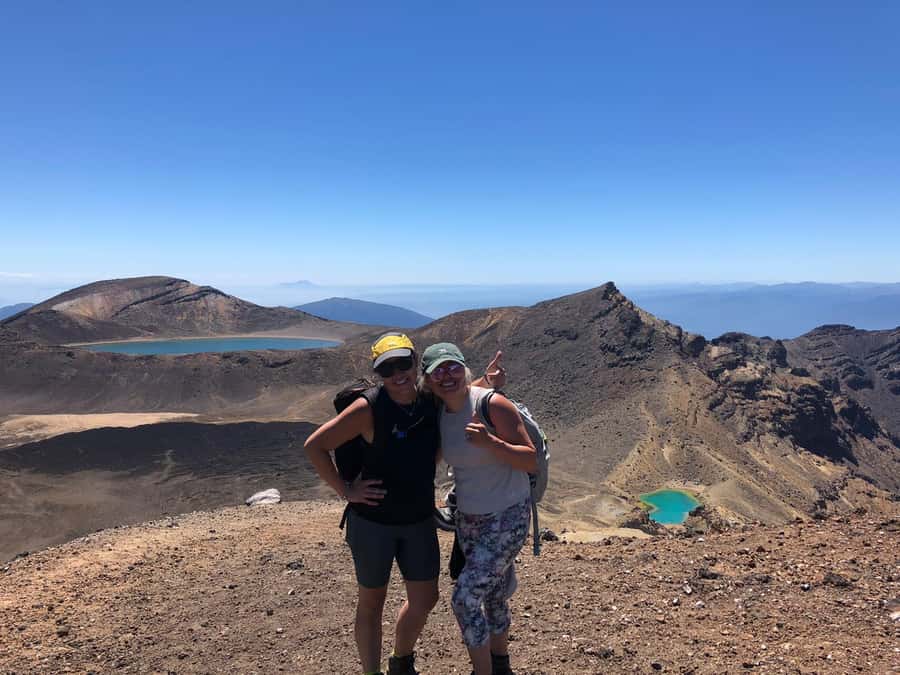
REVIEW · HIKING & TREKKING
Tongariro Alpine Crossing: Premium Guided Hike
Volcano colors and big mountain views pack into one long day. This guided Tongariro Alpine Crossing walks between Mt. Ngauruhoe and Mt. Tongariro, past craters and volcanic rock, then down to the famous Emerald and Blue Lakes. In the best moments, you get the sights without having to wrestle route choices or timing alone, and guides like Ty and Stu are known for keeping things upbeat and understandable.
The main thing I like is the mix of geology and native bush, because the walk feels like it changes texture every hour. The second big win is support, including winter safety gear when conditions require it. The possible drawback is that the route can be adjusted for wind, weather, and safety, so reaching the Ketatahi end is not guaranteed, and even the gorge crossing can be affected by strong gusts.
In This Review
- Key highlights at a glance
- Why the Tongariro Alpine Crossing feels worth the hype
- Your day starts at 53 Carroll Street, then it’s straight into the action
- The 9-hour plan, and what 8 hours on your feet really means
- Volcanic craters, sulfur colors, and that eerie rock texture
- Emerald Lakes and Blue Lake, plus the gorge reality check
- Guide-led routing that helps you avoid crowds without missing the point
- Winter safety kit: crampons, ice axes, and training on the spot
- The gear checklist that prevents the usual first-time mistakes
- Logistics that affect your day: food, transport, and the lunch gap
- Price and value: what $254 is really buying
- Who this hike fits best, and who should think twice
- Should you book it?
- FAQ
- How long is the Tongariro Alpine Crossing guided hike?
- What does the tour cost?
- Where do I meet for the hike?
- Is lunch included?
- Do I need previous alpine or outdoor experience?
- What gear is provided, and what should I bring?
- Is crampons and ice-axe help available in winter?
- Are kids allowed?
- Can I get return transfers from Taupo, Turangi, or Whakapapa?
- Is reaching the Ketatahi end guaranteed?
Key highlights at a glance
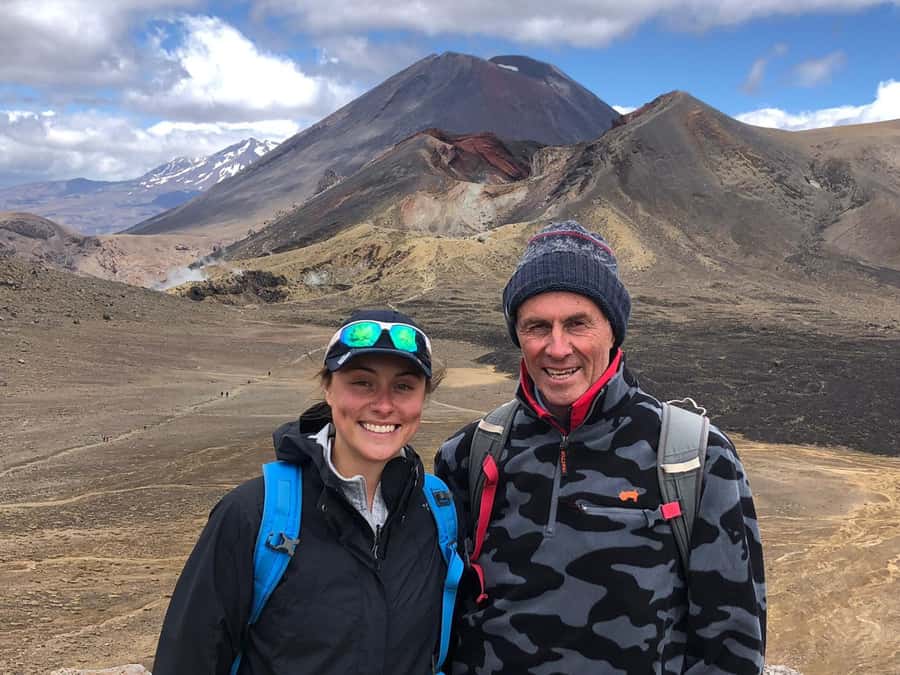
- Volcanic crater terrain between Mt. Ngauruhoe, Mt. Tongariro, and nearby Mt. Ruapehu views
- Emerald and Blue Lakes as the signature payoff areas
- A guide who can reroute you to help you escape crowds while still hitting the big sights
- Winter gear support with crampons and ice axes supplied if conditions call for it
- Safety-first decisions when wind, ice, or hypothermia risk changes the plan
Why the Tongariro Alpine Crossing feels worth the hype
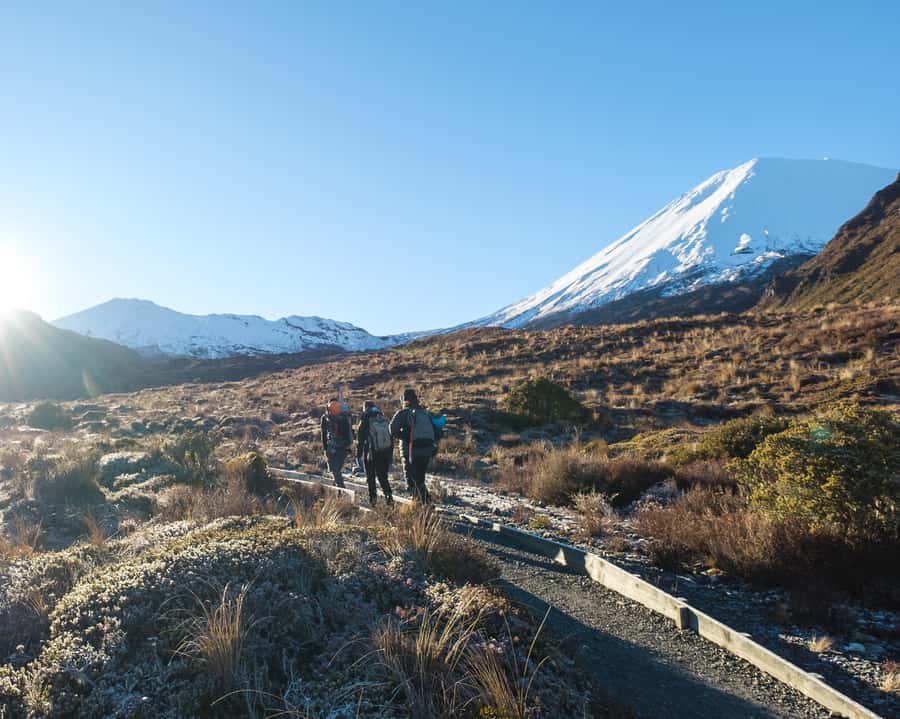
If you want one day in New Zealand that feels like a movie set, Tongariro Alpine Crossing is the place. The route is centered on a volcanic world, with a trail that runs through different craters and rock types formed during different periods of activity. You’ll see how mineral deposits shape the ground, including sulphur-related zones and bright colors tied to minerals such as aluminium and silica.
The other reason this works so well as a guided hike is variety. You’re not just looking at rocks. You’ll also walk through New Zealand native bush, so the experience doesn’t stay stark and gray the entire time. That mix is what makes the day feel long in a good way. It keeps your brain busy, which matters when the walking gets tough.
Your day starts at 53 Carroll Street, then it’s straight into the action
Most one-day hikes waste time. This one tries not to. You meet at Adrift Tongariro’s base and shop at 53 Carroll Street in National Park, then you ride in a van for about 25 minutes to the crossing area.
That short transfer is practical. You arrive closer to the start of the walk without needing to puzzle out parking or shuttle timing on your own. When you’re paying for a premium guided hike, that time-saving is part of the value.
The 9-hour plan, and what 8 hours on your feet really means
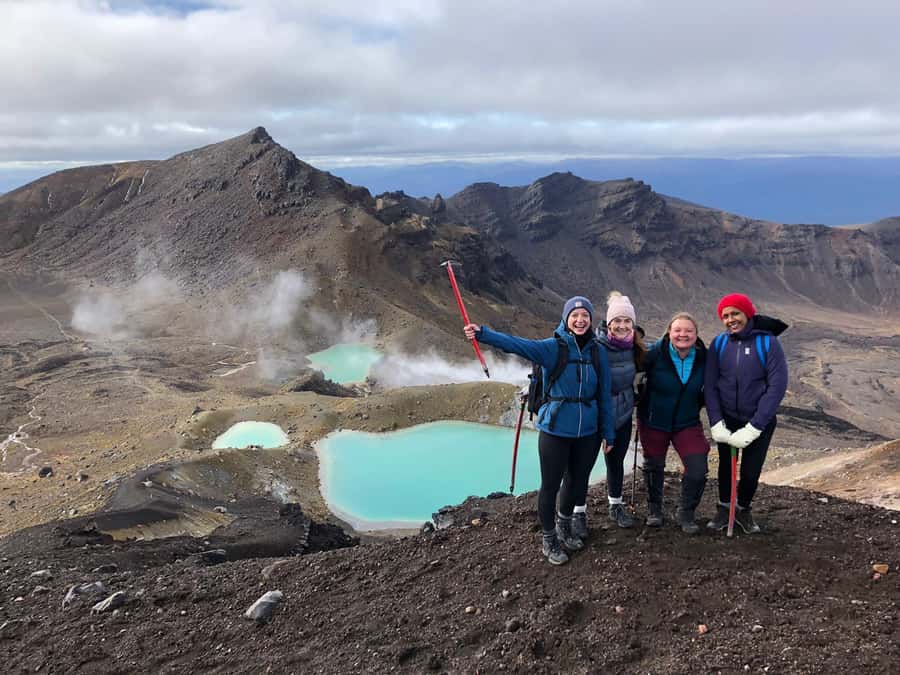
The full outing is listed at 9 hours, with about 8 hours spent walking, sightseeing, and hiking time. You’ll be moving for a lot of the day, with the pace set for the group and the conditions.
You do not need prior alpine experience, but you do need a reasonable fitness level. Several guides and hikers emphasize that it is not a casual stroll, especially on the descent. Your legs may feel it even after the hike ends. If you’re new to hiking, go in expecting effort and plan your day around recovery.
Volcanic craters, sulfur colors, and that eerie rock texture
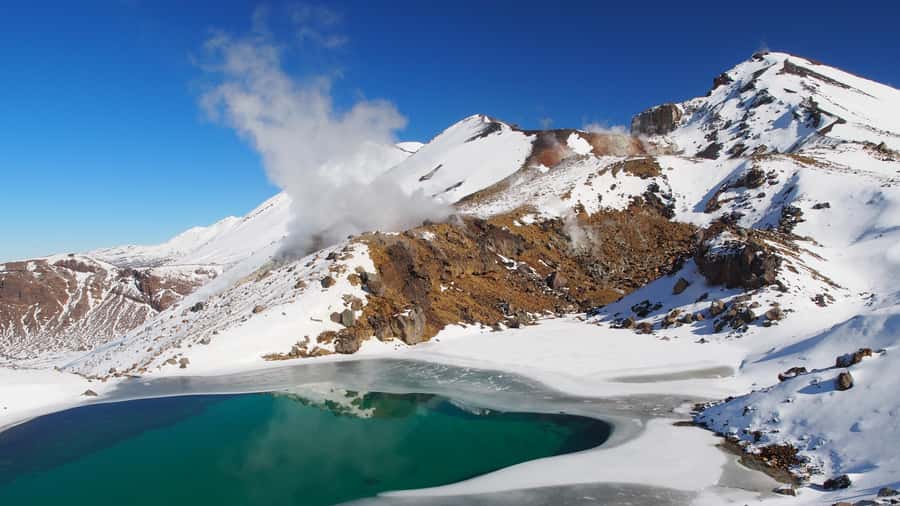
This crossing is famous for a reason: the terrain looks like it’s been re-painted by the Earth. Between Mt. Ngauruhoe and Mt. Tongariro, you’ll pass craters with different shapes and colors, created during different phases of volcanic activity.
What stands out most is how the trail shows cause and effect. Bright reds, yellows, and pale mineral tones are tied to deposits left behind by materials released from the crust. Even when the view isn’t perfect, you still get that sense of reading the landscape like a timeline.
A guide matters here because volcanic areas can be visually confusing. You might think you’re looking at one feature, when you’re really moving through zones with different mineral and crater histories. A good guide helps you connect what you see to what it means.
Emerald Lakes and Blue Lake, plus the gorge reality check
If you’re doing this crossing for a single payoff, these lakes are it. You’ll reach the area with the famous Emerald Lakes and Blue Lake, both known for their striking colors. These are the kind of stops that make the long walk feel justified, even if the earlier hours test your stamina.
One practical consideration: the final pieces of the route can depend on conditions. Strong wind can make the gorge section unpredictable. You might not cross a gorge in every weather setup, and you won’t know how it will go until you’re actually there and the guide is reading the day.
That doesn’t mean you’ll be sent home. It means your guide is steering for safety first, then for the best version of the experience they can safely deliver.
Guide-led routing that helps you avoid crowds without missing the point
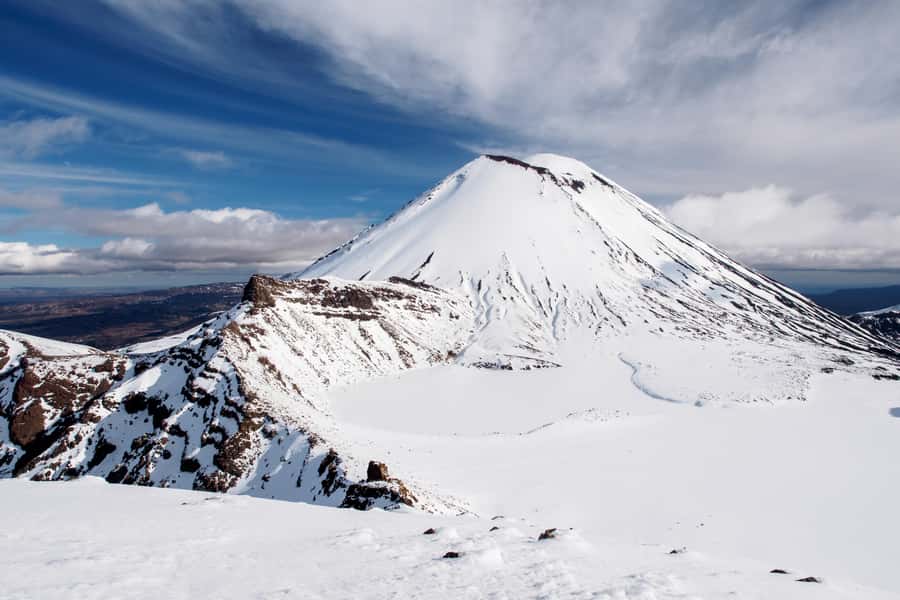
This is where the premium label actually matters. Your guide may follow alternative paths so you can experience popular sights while reducing crowd pressure. That’s not just about comfort. It also helps you see the scenery more clearly, without having to push through wall-to-wall tour groups at the most dramatic moments.
It also helps with decision-making. Weather in Tongariro can shift fast. In summer, you’re more likely to deal with heat, sun, and changing cloud cover. In winter, you’re dealing with snow, ice, and colder air that affects everything from footing to stamina. Guides use that reality to shape the route on the day.
Winter safety kit: crampons, ice axes, and training on the spot
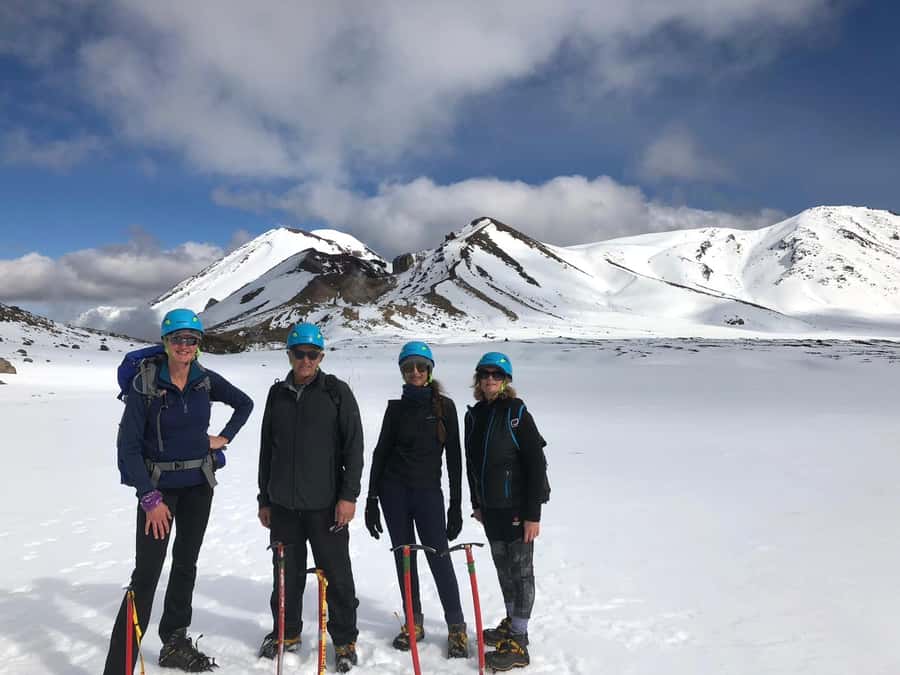
Tongariro in winter is a different sport. This tour plan explicitly notes that no outdoor experience is necessary and that training and tuition are given on the day. Crampons and ice axes are supplied when required for winter conditions.
Even if you’ve worn trekking poles before, winter traction is a different skill. The value here is that you get guidance in-person before you’re forced to figure it out while you’re already on icy rock.
That said, winter hikes still come with real weather risk. Hypothermia and wind can shut down stops quickly, so be mentally ready for a route adjustment. Some people end up soaked in rain or snow even with gear, which is exactly why having trained support matters.
The gear checklist that prevents the usual first-time mistakes
The list of what to bring is long for a reason: Tongariro weather can switch from comfortable to cold and windy fast. I recommend you treat the packing list as non-negotiable unless you know your personal tolerance for discomfort is high.
For summer, bring warm layers plus rain gear. Bring 1 to 2 liters of water. Sun protection matters in exposed volcanic zones, so include sunglasses, sunscreen, and a sun hat.
For winter, you still need water, sun protection, and waterproof layers, but your clothing needs more insulation: multiple warm layers, warm hat, and gloves. If you think fleece is enough, you’ll be guessing. Plan for cold wind.
Also note: Adrift Tongariro includes $60 of clothing and footwear hire. If your hiking boots are tired or you forgot rain protection, this can save your day. Still, don’t show up in flimsy shoes. You need footwear that can handle rocky steps and uneven ground.
Logistics that affect your day: food, transport, and the lunch gap
Lunch is not included, so you’ll need a packed lunch. Snacks are also a smart move because you may not get long, relaxed breaks depending on weather and route changes. The better you fuel early, the less likely you are to blow up later in the day.
Return transfers from Taupo CBD, Turangi, or Whakapapa Village are available at a surcharge. The info also states there’s a minimum of 2 people for those return transfers. So if you’re solo, you may need to plan around that or accept that you’ll handle part of the travel on your own.
One more practical thing: the walk can be modified if conditions turn ugly. In one case, the hike was adjusted due to severe weather and a guide coordinated care and a drive back for someone who couldn’t continue. That’s comforting to know, because it signals real problem-solving, not just a walk-and-wish.
Price and value: what $254 is really buying
At $254 per person for a premium guided hike, you’re not just paying for a person to point at views. You’re paying for a full safety and planning package.
Here’s what’s included:
- A guide
- Transport between the Adrift Tongariro base and the activity
- Crampons and ice axes if required for winter conditions
- $60 of clothing and footwear hire
Not included:
- Lunch
- Return transfers from Taupo CBD, Turangi, or Whakapapa Village
So the value is best for people who want structure, gear support, and real-time routing decisions. If you’re experienced, confident, and comfortable making your own calls in harsh weather, you might question the premium. But if you want to maximize your chances of a safe, satisfying day in a place known for shifting conditions, the cost starts making sense.
Who this hike fits best, and who should think twice
This experience fits best if you:
- Want a one-day route between Mt. Ngauruhoe and Mt. Tongariro
- Prefer guided interpretation of volcanic features and local context
- Have at least a reasonable fitness level and can handle an all-day hike
- Are ready for weather changes and possible route adjustments
It’s not suitable for children under 12. If your group includes younger kids, you’ll need a different option.
Also be honest about your pace. Some people can’t match a group pace when conditions are tough. If you’re aiming for a very specific version of the crossing and you’re worried about wind, gorge sections, or finishing the whole route, you should ask the operator what small-group or alternative options exist.
Should you book it?
Book this guided Tongariro Alpine Crossing if you want the best chance at a great day with safety-first guidance, volcanic context, and the chance to see Emerald Lakes and Blue Lake. It’s a strong choice for first-timers who feel nervous about doing it alone in changeable weather, and for hikers who want their effort to translate into real understanding of what they’re seeing.
Skip this style of booking if you’re chasing a stress-free, guaranteed-to-finish itinerary. Here, nature runs the show. Your guide will make the call, and sometimes that means you finish differently than you planned.
If you want a bold New Zealand day hike where the scenery is literally shaped by active geology, this one is a very solid bet. Just go prepared, dress in layers, and accept that the mountain decides the final version of the story.
FAQ
How long is the Tongariro Alpine Crossing guided hike?
The activity is listed as 9 hours total, with about 8 hours spent hiking and sightseeing during that time.
What does the tour cost?
It’s priced at $254 per person.
Where do I meet for the hike?
You meet at Adrift Tongariro Base and Shop, 53 Carroll St, National Park 3948, New Zealand.
Is lunch included?
No. Lunch is not included, so you’ll want to bring a packed lunch.
Do I need previous alpine or outdoor experience?
No. The experience notes that no alpine experience is required, and training and tuition are given on the day.
What gear is provided, and what should I bring?
You bring your own clothing and hiking gear. The tour includes guide support, and in winter, crampons and ice axes are supplied if required. You also receive $60 of clothing and footwear hire. You should still pack what the checklist asks for, like warm layers, rain gear, water, and hiking shoes.
Is crampons and ice-axe help available in winter?
Yes. The tour states that crampons and ice axes are supplied if required for winter conditions.
Are kids allowed?
No. It’s not suitable for children under 12.
Can I get return transfers from Taupo, Turangi, or Whakapapa?
Yes, return transfers from Taupo CBD, Turangi, or Whakapapa Village are available at a surcharge, with a minimum of 2 people.
Is reaching the Ketatahi end guaranteed?
No. The information notes that reaching the Ketatahi end is not guaranteed, because the exact route depends on safety factors like weather and ice conditions.
Hiking & Trekking, compared.
 ★ 4.5Franz Josef Glacier Heli-HikeFrom $506618 reviews
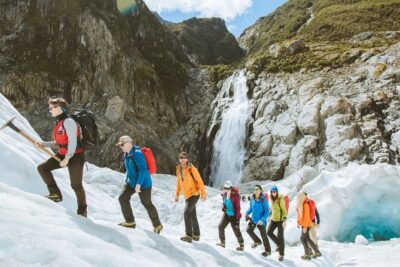 ★ 5.0Heli Hike Fox GlacierFrom $477563 reviews
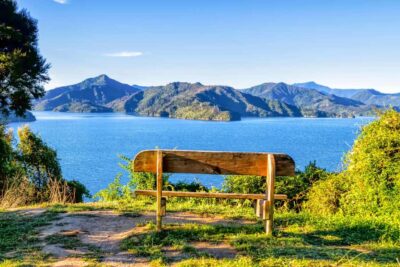 ★ 4.8Queen Charlotte Track: Cruise & Self-Guided Hike from PictonFrom $66383 reviews
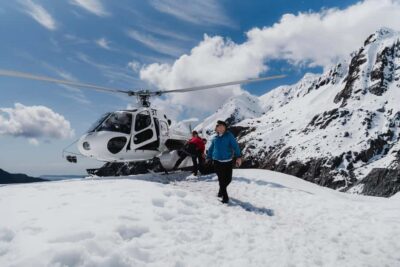 ★ 4.7Franz Josef: 2.5 Hour Glacier Hike with Helicopter TransferFrom $475322 reviews
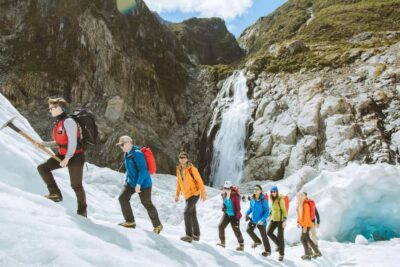 ★ 4.9Fox Glacier: Up to 3 Hours Hike with Helicopter TransferFrom $448309 reviews
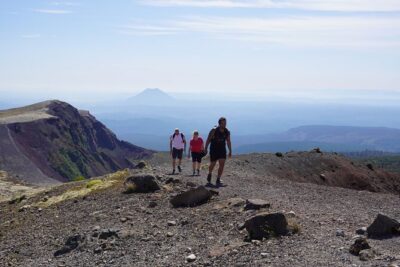 ★ 5.0Rotorua Hiking: Mt Tarawera Guided Volcanic Crater ExperienceFrom $121283 reviews
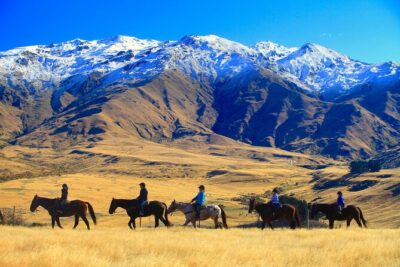 ★ 5.0Cardrona High Country Pub Trail Horse Riding Trek (Intermediate+)From $365261 reviews
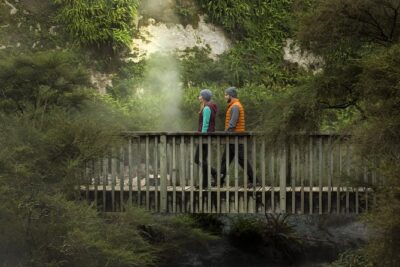 ★ 4.5Volcanic Valley Self Guided Walking and Hiking at WaimanguFrom $46248 reviews
Browse the lists this tour appears in