
REVIEW · HIKING & TREKKING
Rubicon Valley Horse Treks – 2 Hour River Trail Horse Trek
Two hours can feel like a whole escape.
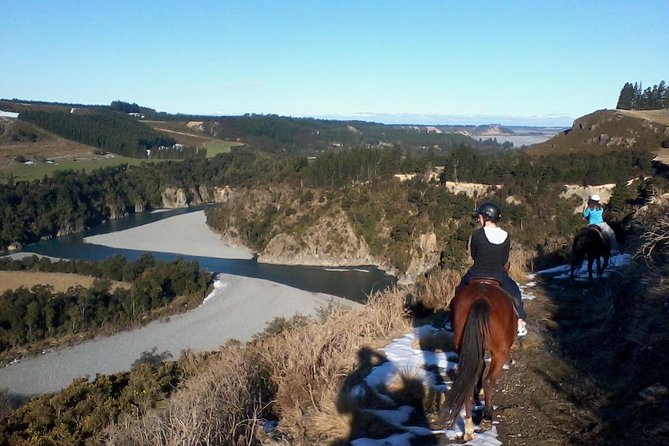
This guided Waimakariri Canyon horse trek runs from a high-country sheep farm outside Christchurch, with views toward the Southern Alps and a route that follows the river trail. You ride in a small group of up to six, so you are not just sitting on a horse, you are learning the pace and the terrain as your guide reads the group.
What I really like is the mix of small-group control and hands-on guidance. Chris leads many of these treks, and the vibe in the reviews is consistent, patient coaching for first-timers, plus enough skill-based freedom for more experienced riders to trot or canter when conditions allow.
The second big win for me is the scenery moments that are built in, including an Otarama lookout view and a stop for refreshments and photos. One thing to consider is that this is still a real outdoor ride, with hills, uneven ground, and weather you cannot ignore, so you will want sturdy closed shoes and long trousers, and you should be ready for a moderate physical effort.
In This Review
- Key things to know before you ride
- Horseback Through Waimakariri Canyon: What the 2 Hours Feels Like
- The Sheep Station Start Near Christchurch: Your First Minutes on Horseback
- Otarama Lookout and Southern Alps Views: The Stop That Makes It Worth It
- The Terraces, Musterers Trails, and How the Ride Pace Changes
- Small Groups, Chris the Guide, and What You Actually Learn
- Safety Rules That Matter (Helmets, Weight Limits, Footwear)
- What You Should Bring and Wear for a Comfortable Canyon Ride
- Price and Value: Is $91.47 Fair for This 2-Hour Trek?
- Who Should Book This Trek, and Who Might Prefer Something Else
- Should You Book Rubicon Valley Horse Treks River Trail?
- FAQ
- How long is the 2 Hour River Trail Horse Trek?
- Where do I meet, and does the tour end there?
- What is the group size and guide ratio?
- Is it suitable for beginners?
- What are the age and rider weight requirements?
- What should I wear for the ride?
- Is wet-weather gear available?
- What is included in the price?
- Is lunch or hotel pickup included?
- What is the cancellation policy?
Key things to know before you ride
- Max 6 riders per guide (6:1) keeps the experience calm, especially for beginners
- Waimakariri River Canyon trail gives you constant mountain-and-river views
- Otarama lookout stop is where the Southern Alps scenery peaks
- Optional faster riding means you can trot or canter if you are experienced and your guide says it is safe
- Helmets must be worn, and wet-weather gear is available if needed
Still weighing up the options? These are the other Canterbury trips we have written up.
- Methven-Mt Hutt Scenic Hot Air Balloon Flight
★ 5.0 · 74 reviews - Lyttelton Shore Excursion – Guided Walking Tour and Picnic
★ 5.0 · 57 reviews
Horseback Through Waimakariri Canyon: What the 2 Hours Feels Like
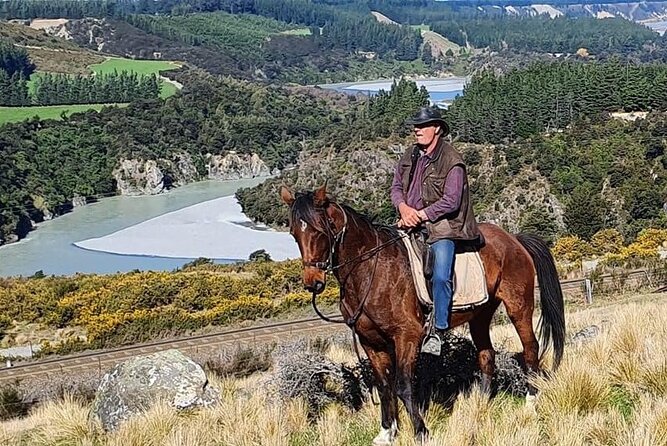
This is a straightforward, satisfying 2-hour ride that turns Christchurch-area scenery into something you feel up close. Instead of bus windows and short photo stops, you are actually moving through the high country, with the Waimakariri River Canyon running into your view again and again.
The route is designed for a wide range of riders. The operator notes that it suits all riding abilities and fitness levels, with extra chances for more experienced riders to move faster at times. That balance matters, because group rides can turn awkward when one person is ready to trot and another is still getting comfortable with the saddle and reins.
Expect a ride that alternates between calm scenic sections and more active movement over terraces and pasture tracks. The “active” part is not about extreme thrills, it is about real farm country riding, hills, and changing surfaces.
And yes, this is the kind of trip where you go for the views, then end up remembering how smooth (or tricky) certain parts of the terrain felt, and how quickly the guide helps you find your rhythm.
The Sheep Station Start Near Christchurch: Your First Minutes on Horseback
You meet at Rubicon Valley Horse Treks, 534 Rubicon Road, Springfield, and the trek returns to the same point. There is no hotel pickup, so plan your day around driving there yourself and arriving with enough time to get organized.
Right away, you will deal with the basic safety and readiness steps: you sign a waiver before you depart, and you get a helmet. Helmets are not optional here, they must be worn at all times while riding. You are also required to wear long trousers and sturdy closed shoes (running shoes are OK), which is practical advice because wet hooves and farm steps do not care about fashion.
If you are new, the pace usually feels easier than you expect because the guide handles the early transitions. In the reviews, Chris is repeatedly described as patient and helpful for second-time and beginner riders. That matters because your first minutes are where confidence is made.
If you are experienced, you will still want to pay attention during the early setup, because guides usually assign positions and explain how they manage group spacing on the trail. It is not about showing off, it is about keeping everyone safe while giving you room to enjoy the ride.
Otarama Lookout and Southern Alps Views: The Stop That Makes It Worth It
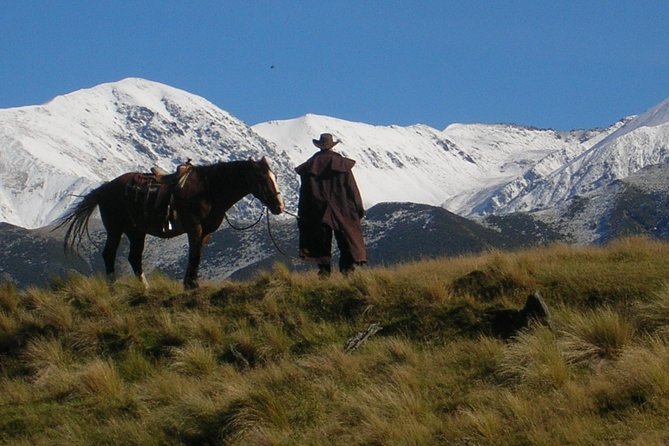
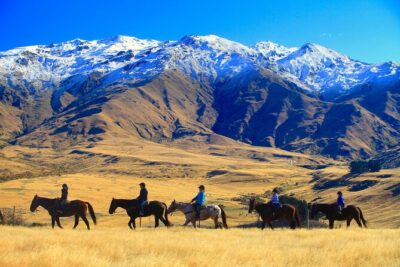
You ride from the sheep station through the high-country valley with mountain views in the direction of the Torlesse basin and the Southern Alps. The key view moment is the Otarama lookout, where the scenery opens up and you can actually take in the scale of the canyon and surrounding ridgelines.
The trek includes a stop for refreshments and fantastic photo opportunities overlooking the canyon. That refresh pause is more than a snack break. It lets you look up after time spent focusing on your horse, your footing, and the guide’s cues.
In my book, this is where the trek earns its premium over a generic “sit and walk” experience. The tour is not only about movement, it is designed around a real viewpoint. You get your scenic payoff without having to hike to it yourself.
Practical note: this is a river-canyon area, so conditions can change quickly. Dress in a way that works for both cool air and brighter sun, and if it looks like rain, use the wet-weather gear that is available.
The Terraces, Musterers Trails, and How the Ride Pace Changes
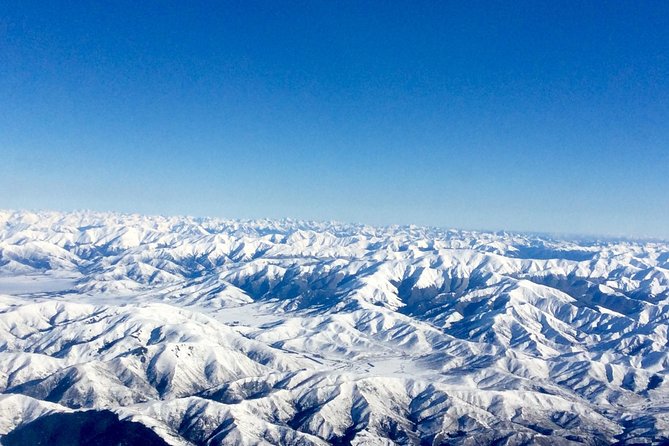
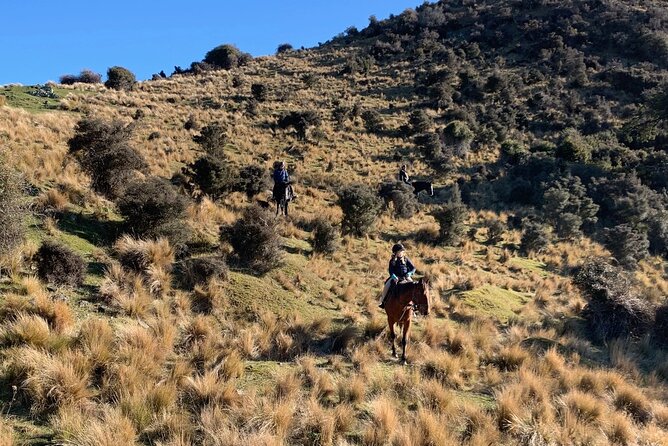
After the lookout stop, you ride down the terraces and continue along a musterers trail through farmland. The “terraces and musterers trail” phrasing is a clue to what you are feeling under you: sections that are more step-like, with changes in elevation, plus farm-track riding that can feel a bit more hands-on than flat trail.
This is also where the guide’s approach helps different riders. The operator says the trek caters for all abilities but gives more experienced riders opportunities for a faster pace when possible. That usually means you might get trot or canter sections, but the guide decides based on safety, trail conditions, and group mix.
One review highlighted that if you do not want to trot or canter, you do not have to. That is the kind of detail that matters on a mixed-skill ride, because it keeps the experience from turning into a power contest.
For first-time riders, the pace changes still feel exciting, but it should not feel out of control. The real difference you will notice is how much the guide talks you through your cues, and how quickly your horse becomes a partner instead of a mystery.
Small Groups, Chris the Guide, and What You Actually Learn
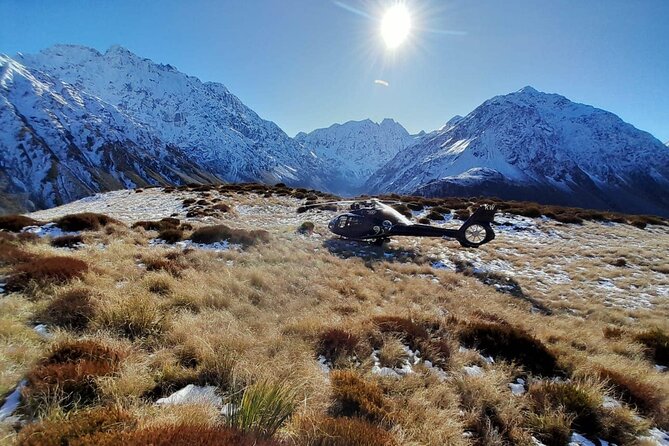
This trek runs with a maximum client to guide ratio of 6:1, and groups are kept to six riders per guide whenever possible. That small-group size shows up in how the ride feels: fewer people to manage, less crowding at transitions, and more attention on your balance, seat, and rein control.
Chris is named as the usual leader, and the reviews also mention Kris as a guide who did a great job. Either way, the story is consistent: the guide treats horse riding like a skill, not a stunt.
Here are the things that tend to make this kind of trek click for real people:
- You get clear instructions that actually match what you are doing on the saddle
- You learn when to relax and when to pay attention, based on what the horse is doing
- You get reassurance, especially if it is your second ride or your first time outside a controlled setting
In several reviews, riders say they never once felt unsafe. That does not mean you will not feel movement or occasional challenge from terrain. It means the guide’s horses and procedures are set up so your confidence grows during the ride, not after it.
Also, it is a nice touch when guides add personal flavor. One rider mentioned being given horse names like Memphis and Red, which is a small thing, but it can make the whole experience feel more like a day out with people, not a checklist.
Safety Rules That Matter (Helmets, Weight Limits, Footwear)
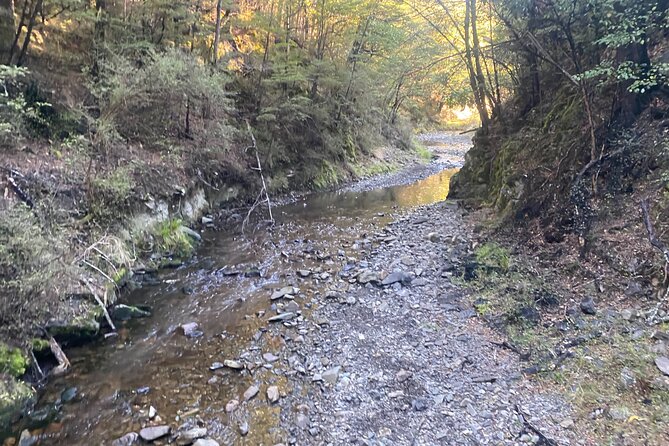
The safety rules here are simple, and they are exactly the rules that make horseback riding feel manageable.
You must wear a helmet at all times while riding, and you are provided with safety helmets. Wet-weather gear is available if required, which is helpful because cold and wet tend to make people tense up.
There are also rider requirements:
- Minimum age: 12 years old
- Children must be accompanied by an adult and be confident
- Weight limit: under 120 kilos (264 pounds)
- Sturdy closed shoes required, running shoes are OK
- Long trousers required
These conditions are not “gotchas.” They are there because the operator is trying to keep the ride safe across changing weather and terrain.
If you are an adult who is on the taller or heavier side, you should check the weight limit early. If you are traveling with teens, the minimum age and confidence requirement is important too. And if you tend to wear sandals or soft shoes, swap them for something grippy and closed, because your feet will be doing more than you think during mounting and when the trail gets uneven.
What You Should Bring and Wear for a Comfortable Canyon Ride
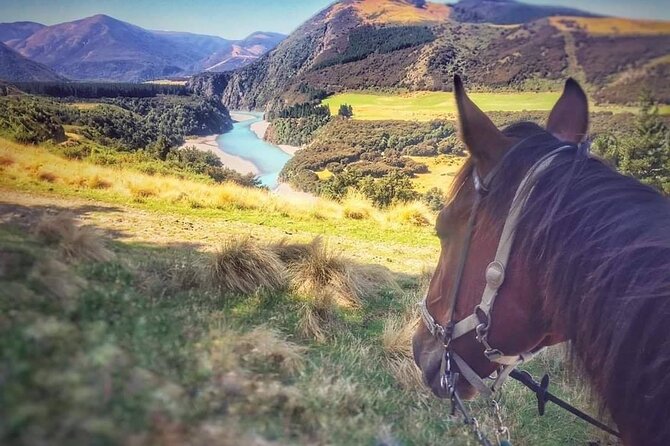
Start with what they require: long trousers and sturdy closed shoes. That alone removes a lot of guesswork. If you want the ride to feel good, choose pants that you can ride in without rubbing, and shoes that support your ankles on farm steps.
Then add the weather layer logic:
- Bring a light rain layer or be ready to use the wet-weather gear
- If it is cool, dress in warm layers you can remove
- If the day is bright, sunglasses can help, especially with glare from river canyon sections
You should also think about balance and hands-free comfort. Your job on the horse includes paying attention, so keep bags minimal. The operator does not list what is allowed, so I would keep it simple and pack only what you need for the ride, plus a way to hold your phone safely while you are riding.
Finally, plan your timing like it is an active outing. With a two-hour ride plus pre-departure steps like the waiver and gear fitting, you will want a relaxed schedule around it. This is not the kind of experience you want to rush into, because confidence comes faster when you are not flustered.
Price and Value: Is $91.47 Fair for This 2-Hour Trek?
At $91.47 per person for a roughly two-hour trek, the value comes from three things you actually feel:
1) A small group setup (max six riders per guide)
2) A real guided ride with safety equipment and helmets
3) A specific scenic route with a lookout stop, refreshments, and photo time
If you compare this to longer horseback days, it is shorter, but that is also why it works well for many itineraries. Two hours is enough to get the “high-country horse day” feeling without eating up an entire morning or afternoon.
Also, the trek includes local taxes and the core safety setup. Wet-weather gear is available if required, which can save you from buying gear you only use once.
What is not included is what you would normally expect: lunch, and hotel pickup and drop-off. So the best value decision is really about your planning. If you are already close to Springfield, and you are okay with self-driving to the meeting point, you are likely getting a smooth, fair deal for the guiding and scenery.
Who Should Book This Trek, and Who Might Prefer Something Else
This trek is a strong match if you want scenic horseback riding near Christchurch without needing advanced riding skills. The operator says it is suitable for all abilities and fitness levels, and the reviews back that up, especially for riders who are new or only had a couple of rides before.
It is also a good match for mixed groups, couples, and families because of the guide-to-rider ratio. When the group is small, different comfort levels do not create tension, and the guide can manage pace changes safely.
You might consider a different activity if:
- You are not comfortable with outdoor hills and uneven farm terrain
- You struggle to meet the clothing and footwear requirements
- You are traveling with children under 12, since the minimum age is 12 and kids must be accompanied by an adult and be confident
And if you are expecting a long, destination-grade trek, remember this is designed as a focused two-hour ride. You will get viewpoints and canyon time, not an all-day expedition.
Should You Book Rubicon Valley Horse Treks River Trail?
I think you should book this if your goal is a well-run, small-group horseback ride with canyon views, clear safety, and a guide who knows how to teach. The repeated praise for Chris, the focus on keeping groups to six, and the mix of beginner comfort with optional trot or canter make it a practical “yes” for most skill levels.
If you want a totally hands-off experience with no movement changes, you might still enjoy it, but plan to communicate with your guide about the pace you are comfortable with. The tour is flexible that way.
For me, the decision comes down to this: you get a true scenic highlight at the Otarama lookout, plus time riding along the canyon, without the hassle of a long hike. That blend is exactly what makes this trek a smart use of your Christchurch-area time.
FAQ
How long is the 2 Hour River Trail Horse Trek?
The trek runs for about 2 hours.
Where do I meet, and does the tour end there?
You meet at Rubicon Valley Horse Treks, 534 Rubicon Road, Springfield 7681, New Zealand, and the activity ends back at the same meeting point.
What is the group size and guide ratio?
The tour keeps a maximum of 6 travelers, with a guide ratio listed as 6:1.
Is it suitable for beginners?
Yes. The trek is described as suitable for all riding abilities, and it includes guidance for riders who are just getting started.
What are the age and rider weight requirements?
Riders must be at least 12 years old. Riders also must weigh less than 120 kilos (264 pounds).
What should I wear for the ride?
You need long trousers and sturdy closed shoes. Running shoes are listed as OK. Helmets are provided and must be worn.
Is wet-weather gear available?
Yes. Wet-weather gear is available if required.
What is included in the price?
Included items are the 2-hour horse trek, a professional guide, all safety equipment, wet weather gear if required, and local taxes.
Is lunch or hotel pickup included?
No. Lunch is not included, and there is no hotel pickup or drop-off.
What is the cancellation policy?
Free cancellation is available. You can cancel up to 24 hours in advance for a full refund. If canceled less than 24 hours before the start time, the amount paid is not refunded. If weather cancels the experience, you are offered a different date or a full refund.
Everything Else We Wrote Up in Canterbury
Just added to our Canterbury notes
- Lyttelton Shore Excursion – Guided Walking Tour and Picnic★ 5.0 · 57 reviews
- Methven-Mt Hutt Scenic Hot Air Balloon Flight★ 5.0 · 74 reviews
Hiking & Trekking, compared.
 ★ 4.5Franz Josef Glacier Heli-HikeFrom $506618 reviews
 ★ 5.0Heli Hike Fox GlacierFrom $477563 reviews
 ★ 4.8Queen Charlotte Track: Cruise & Self-Guided Hike from PictonFrom $66383 reviews
 ★ 4.7Franz Josef: 2.5 Hour Glacier Hike with Helicopter TransferFrom $475322 reviews
 ★ 4.9Fox Glacier: Up to 3 Hours Hike with Helicopter TransferFrom $448309 reviews
 ★ 5.0Rotorua Hiking: Mt Tarawera Guided Volcanic Crater ExperienceFrom $121283 reviews
 ★ 5.0Cardrona High Country Pub Trail Horse Riding Trek (Intermediate+)From $365261 reviews
 ★ 4.5Volcanic Valley Self Guided Walking and Hiking at WaimanguFrom $46248 reviews
Browse the lists this tour appears in