
REVIEW · WELLINGTON TOURS AND ATTRACTIONS
Museum of NZ Te Papa Tongarewa: International Visitor Entry
Two days at Te Papa goes fast. I love the interactive exhibits and the way Māori and Pacific heritage is presented with care and context. One thing to watch: your international entry covers general admission, but it does not include paid exhibitions, events, tours, or Story Place.
This is one of those museums where the waterfront setting helps, because you can step out, reset, then go back in. Your ticket works for 48 hours, and the museum is open daily from 10:00 AM to 6:00 PM, so you can stretch your time and not feel like you’re speed-reading.
In This Review
- Key highlights at a glance
- Te Papa in Wellington: what makes this museum work
- Price, ticket rules, and what you’re really paying for
- First visit plan: how to enter without losing time
- Māori and Pacific culture: the core experience you should not rush
- Natural history and Aotearoa stories: why it belongs next to culture
- National Art Collection: a needed change of pace
- War exhibits and the ANZAC experience: plan your emotional bandwidth
- How to use your 48-hour ticket like a pro
- Practical logistics that matter once you’re there
- Who this international entry is best for
- Should you book this Te Papa international entry?
- FAQ
- FAQ
- Who needs an International Visitor Entry ticket at Te Papa?
- How long is my ticket valid?
- What does the international admission ticket include?
- What is not included with the museum entry ticket?
- What are Te Papa’s opening hours?
- Is parking included in the ticket price?
- Is the ticket a mobile ticket?
- Can I cancel and get a full refund?
- Is Te Papa near public transportation, and are service animals allowed?
Key highlights at a glance
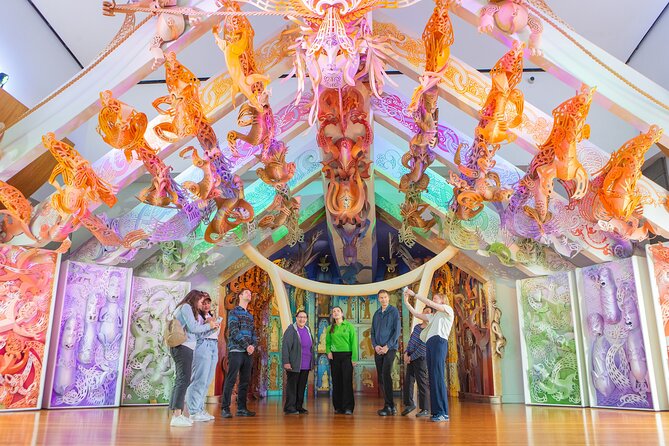
- Interactive, tech-forward displays that help you learn without feeling stuck in a classroom
- Māori and Pacific cultural treasures shown with respect and real cultural framing
- Natural history and Aotearoa stories in the same building, so you get the whole New Zealand picture
- National Art Collection alongside culture and science, which changes the rhythm of your visit
- ANZAC and Gallipoli-style war exhibits that are emotional and memorable
- A 48-hour ticket window that gives you flexibility across two days
The capital keeps going, see these too
- Wellington: Wētā Workshop Guided Tour Ticket
★ 4.7 · 997 reviews - Wētā Workshop Experiences Tour – Wellington
★ 5.0 · 875 reviews - Wellington: Return Cable Car Ticket
★ 4.6 · 714 reviews - Half Day Tour of Wellington
★ 4.5 · 638 reviews
Te Papa in Wellington: what makes this museum work
Te Papa Tongarewa is the kind of museum you can either race through, or use like a slow travel tool. If you like your cultural experiences hands-on and your learning mixed with visuals, you’ll be in your element. If you prefer one theme and nothing else, you might feel pulled in a dozen directions because Te Papa covers culture, nature, and art under one roof.
I especially like that the museum leans into interactive learning rather than passive “look and move on.” You can choose how deep you go, and you’re not forced into one pace. And I like that Māori and Pacific heritage is treated as central, not as a side section you dip into and forget.
The one consideration is time. Even with two days, you may still leave wanting more. Some of the biggest highlights can easily swallow an afternoon if you stop and actually read and watch what’s going on.
Price, ticket rules, and what you’re really paying for
For international visitors, the international entry is $21.72 per person. That price is for general admission, and it’s valid for two days (48 hours). This matters because Te Papa is large and layered, and two days is often the difference between “I saw it” and “I understood what I saw.”
One smart angle: the museum is open daily from 10:00 AM to 6:00 PM, so you can plan one earlier day when your energy is high, then come back for a second session later. If you’re traveling with jet lag, this flexibility is a real value.
Also, check ticket eligibility before you buy. International visitors age 16 and over need an entry ticket. International visitors under 16 are free, but they still need a ticket. New Zealanders are free and do not need to buy a ticket at all, including New Zealand citizens and residents living overseas. If you’re traveling as a mixed group, that can change who should book.
One more practical detail: a general admission ticket is not the same as a special show. Your entry does not include paid exhibitions and events, tours, or Story Place. Those extras vary by day, so if there’s something specific you’ve heard about, plan to check on the day you visit.
First visit plan: how to enter without losing time
Te Papa sits on the Wellington waterfront, and that makes the timing easier. You can pair your museum visit with a waterfront walk before or after, then come back when you’re ready to focus. If you’re coming from central areas, it’s also near public transportation, so you can avoid the “where do we park” headache.
For your first day, I recommend you aim for breadth. Get your bearings across the main levels, hit the sections that match your interests, and leave yourself room to return on day two. The museum works well for repeat visits because you can come back with a clearer question in mind, like “What was the point of that interactive?” or “How does the natural history connect to the cultural stories?”
If you really want to avoid lines, book online ahead of time. It’s a classic museum move: less queue time means more time where you actually want to be.
Māori and Pacific culture: the core experience you should not rush
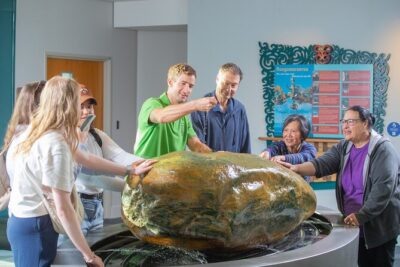
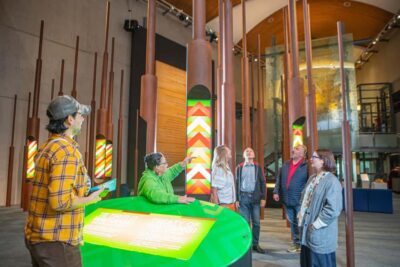
Te Papa’s cultural galleries are a major reason people put this museum at the top of their Wellington list. The museum is built around Māori and Pacific cultural treasures, and it uses interactive, tech-forward exhibit styles to help you understand context, not just display items.
I like this approach because you can learn at your own speed. Some sections invite you to read closely, while others use interactive features to make ideas stick. You’ll also notice the museum’s focus on authentic representation, which changes the feel compared with museums that treat culture like a snapshot.
A practical tip: on day one, focus on what you can process. Don’t try to absorb every text block in one pass. Instead, pick a few areas that interest you most, then return on day two to fill in gaps. That is especially helpful if you find yourself slowing down around emotional or significant content.
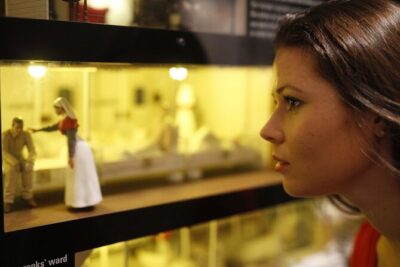
Other collections worth an hour in Wellington

Natural history and Aotearoa stories: why it belongs next to culture
Te Papa doesn’t separate “nature” and “people” into totally different worlds. It combines New Zealand’s natural environment and history with broader cultural narratives. That matters because it helps you see the country as a system, not a collection of disconnected facts.
This is where the museum’s design really helps. When you bounce between cultural exhibits and natural history, your brain connects the dots. You start noticing how themes like land, sea, and changing environments can be part of the same big story you’re learning in multiple ways.
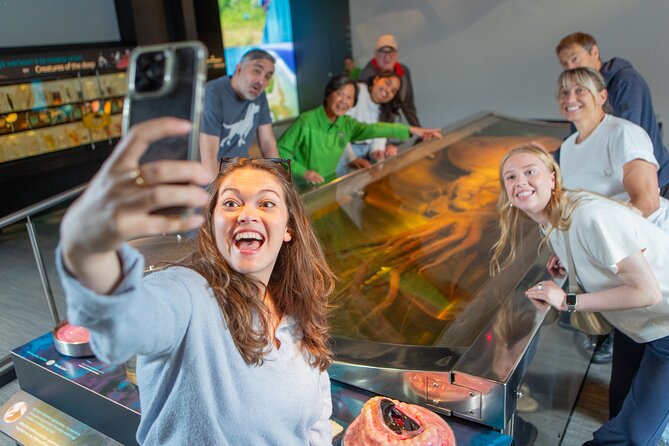
If you’re the type who likes science but also cares about meaning, you’ll probably enjoy these sections more than you expect. They’re not just facts on walls, and the museum uses technology and interactive methods to keep the experience active.
National Art Collection: a needed change of pace
One reason Te Papa feels easier to handle than some museums is the mix. The National Art Collection is in the same building as the culture and natural history, so you get variety without having to move locations.
I find this kind of mix helps prevent museum fatigue. After reading and interacting with cultural and historical material, stepping into art gives your eyes and mind a chance to reset. You’ll see things differently when you’re not constantly switching between complicated labels.
You don’t need to become an art critic here. Treat it as another set of stories. Art can show what people noticed, valued, and created, and that complements the museum’s larger themes.
War exhibits and the ANZAC experience: plan your emotional bandwidth
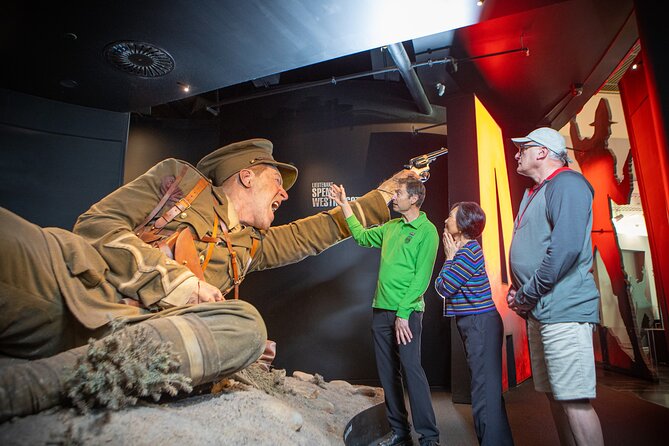
The ANZAC and related war content is a standout for many visitors, and it’s not just “informational.” People describe it as moving, and you can feel why once you’re inside. There’s also mention of a Gallipoli exhibit, and it’s described as especially impactful.
One detail I found interesting in the visitor feedback is that the Gallipoli exhibit was designed by Jonathan Turner, known for work connected to Lord of the Rings. Even if you do not care about design credits, it gives you a clue about the experience style. It’s likely built to make history feel present and personal, not distant.
What I’d do if you’re sensitive to heavy topics: schedule it for when you have time to process. Don’t shove the war content into the last 30 minutes of your day when you’re already tired. Give yourself space after, so you can come back to the lighter, more observational sections with a steadier head.
How to use your 48-hour ticket like a pro

Because your entry is valid for 48 hours, you can build a smarter rhythm than a single marathon visit. Here’s a practical way to do it without guesswork.
Day 1: Get context and cover the big zones
- Start with Māori and Pacific sections so you understand the museum’s central lens
- Then move into natural history and Aotearoa stories to connect culture with place
- Finish with something that feels lighter, like art or hands-on interactions that are less emotionally heavy
Day 2: Go back for what grabbed you
- Return to the interactive parts you rushed or the sections that made you stop
- Spend more time in one theme area rather than “touch everything”
- Use the second day to slow down, read more carefully, and compare what you noticed
This approach also helps if you’re the kind of person who learns best through repetition. You’ll catch details the second time because your brain is no longer trying to orient itself.
And yes, you might still run out of time. Even with two days, the museum can feel like it could easily fill more time. That is a good problem, but plan your schedule accordingly, especially if you’ve got other Wellington stops.
Practical logistics that matter once you’re there
Te Papa is easy to reach by public transportation, and service animals are allowed. That makes it simpler if you’re traveling with mobility or care needs.
Parking is not included with your entry ticket, so don’t assume museum admission covers that cost. If you’re driving, plan parking separately. For many visitors, the easiest fix is to rely on public transport for at least part of the day, then connect to waterfront walking.
Also, your ticket is mobile. That’s handy because it cuts down on paper and stress. If you’re the type who likes to keep everything tidy on your phone, you’ll appreciate this.
Finally, remember the difference between general admission and special ticketed experiences. Your entry is for the museum itself. If you’re aiming for specific paid exhibitions or events, check what’s on during your dates so you don’t get surprised.
Who this international entry is best for
Te Papa is a strong match if you want a single Wellington stop that covers multiple themes: Māori and Pacific heritage, natural history, and art. If you like interactive exhibits, this place is more engaging than many classic museums.
It’s also a good pick if you’re traveling with mixed interests. One person can spend longer on culture, another can focus on nature or war exhibits, and everyone can come away with a meaningful visit.
If you have limited time and only want one narrow subject, this could feel like too much. The museum’s strength is its breadth. For that reason, two days is the sweet spot for most people, especially if you enjoy reading and taking your time with interactive features.
Should you book this Te Papa international entry?
If you’re an international visitor age 16 or over, I think booking the international entry makes sense. It’s good value for general admission to a major national museum, and your 48-hour window is the kind of flexibility that helps you avoid the “we rushed and missed everything” regret.
You should book if:
- You want interactive learning rather than just standing and looking
- You’re interested in Māori and Pacific cultural presentation
- You want a museum that blends culture, nature, and art in one location
- You want time to spread the visit across two days
You might hold off if:
- You only want one small theme and have very limited time
- You’re mainly interested in paid exhibitions, events, tours, or Story Place and need those included automatically
FAQ
FAQ
Who needs an International Visitor Entry ticket at Te Papa?
International visitors age 16 and over need a museum entry ticket. International visitors under age 16 are free, but they still need a ticket.
How long is my ticket valid?
Your ticket can be used for 2 days, which is 48 hours. The museum is open from 10:00 AM to 6:00 PM.
What does the international admission ticket include?
It includes general admission to the museum.
What is not included with the museum entry ticket?
Your ticket does not include entry to paid exhibitions and events, tours, or Story Place.
What are Te Papa’s opening hours?
The museum is open Monday through Sunday from 10:00 AM to 6:00 PM.
Is parking included in the ticket price?
No. Parking is not included.
Is the ticket a mobile ticket?
Yes, the experience uses a mobile ticket.
Can I cancel and get a full refund?
Yes. Free cancellation is available up to 24 hours in advance for a full refund. If you cancel less than 24 hours before the start time, the amount you paid is not refunded.
Is Te Papa near public transportation, and are service animals allowed?
Yes. It is near public transportation, and service animals are allowed.
Collections Worth an Hour in Wellington


Everything Else We Wrote Up in Wellington



The Capital, Continued
Just added to our Wellington notes
- Wellington Zoo General Entry Tickets★ 3.9 · 7 reviews
- Wellington Full Day Private Tour in Electric Tesla SUV★ 5.0 · 7 reviews
- Private Martinborough Wine Tour in an Electric Vehicle – Tesla Model Y★ 5.0 · 7 reviews
- Martinborough Chefs shared wine tour ŵ lunch from Wellington★ 4.5 · 7 reviews
- Easy Rider Two-Hour Wellington eBike Tour★ 5.0 · 7 reviews
- A Taste of Kapiti – Kapiti Foodie Delights Tour★ 5.0 · 7 reviews
Wellington Tours and Attractions, compared.
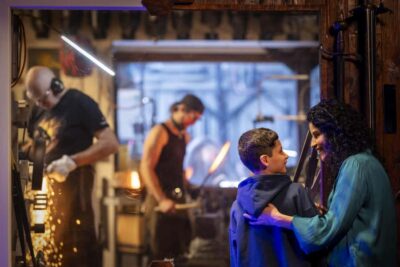 ★ 4.7Wellington: Wētā Workshop Guided Tour TicketFrom $35997 reviews
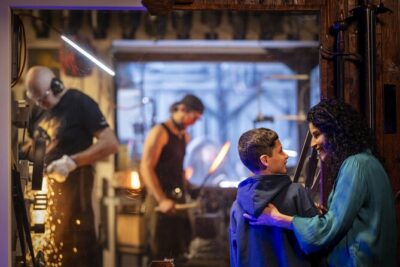 ★ 5.0Wētā Workshop Experiences Tour – WellingtonFrom $36875 reviews
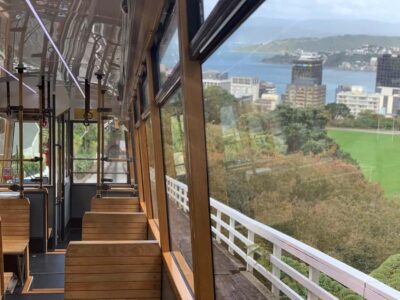 ★ 4.6Wellington: Return Cable Car TicketFrom $7714 reviews
 ★ 4.5Half Day Tour of WellingtonFrom $79638 reviews
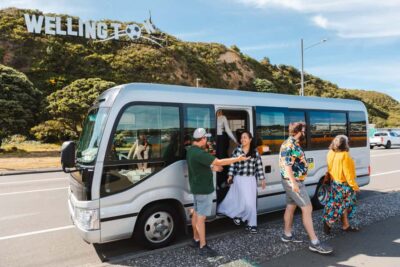 ★ 4.8Wellington: Guided City Tour with Cable Car TicketFrom $53553 reviews
 ★ 5.0Wellington’s Original LOTR Experience – includes Weta and LunchFrom $201529 reviews
 ★ 5.0Kapiti Island Classic Guided Day TourFrom $191522 reviews
 ★ 4.0Northern Explorer Train Journey from Wellington to AucklandFrom $157513 reviews
Browse the lists this tour appears in