
REVIEW · KAIKOURA WILDLIFE AND COAST
Kaikoura: Whale Watching Cruise
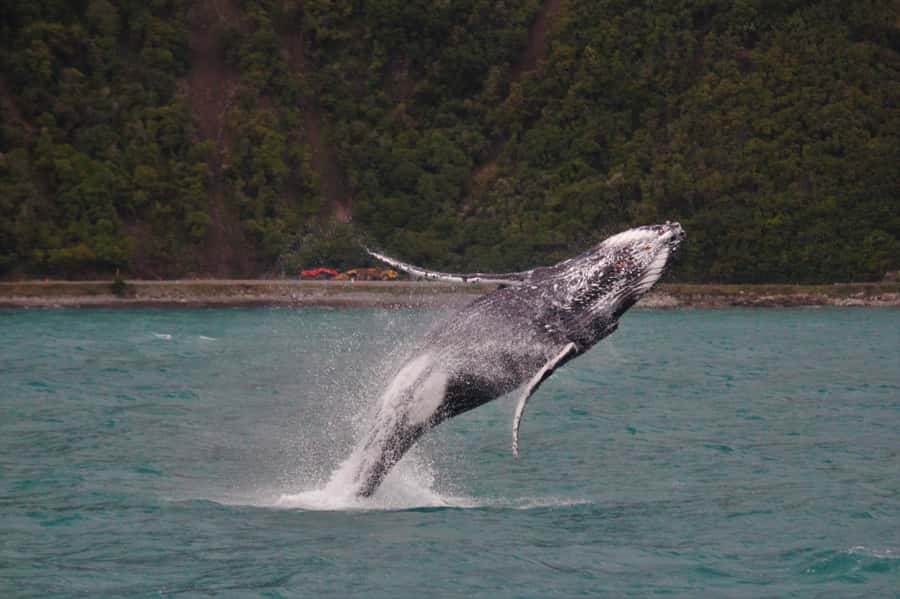
Sperm whales feel shockingly close here. This Kaikōura whale watching cruise targets giant sperm whales off the South Island, with onboard commentary to help you read whale behavior in real time.
I especially like the chance at close encounters, not just spotting spouts from far away.
I also love how the boat setup makes wildlife watching easier, with large outdoor decks plus air-conditioned seating and plasma screens. The narration and the onboard animation help you stay engaged even while you are waiting for the next sign of life.
One thing to consider: conditions can turn choppy, and motion sickness is a real risk. If you are prone to getting queasy, plan ahead, because the time on the water is just over 2 hours.
In This Review
- Key highlights you should not miss
- Kaikōura’s whale watching goal: giant sperm whales, plus real wildlife variety
- From Whale Watch Kaikōura office to your 3h15 total time
- The catamaran ride: outdoor viewing, indoor comfort, and quieter tech
- How you actually spot whales: crew tracking, warnings, and sound cues
- Wildlife bonuses that keep the cruise exciting between whale sightings
- Narration, animation, and the human side of the ocean
- Price and value: is $104 per person worth it?
- When to book, and how to improve your odds
- Who should book this whale cruise, and who should think twice
- Should you book Whale Watch Kaikōura?
- FAQ
- How long is the whale watching cruise on the water?
- What is included with the ticket?
- Is food or drinks included?
- Where do I meet for the tour?
- Is this tour wheelchair accessible?
- What is the minimum age to join?
- What if I get motion sickness?
Key highlights you should not miss
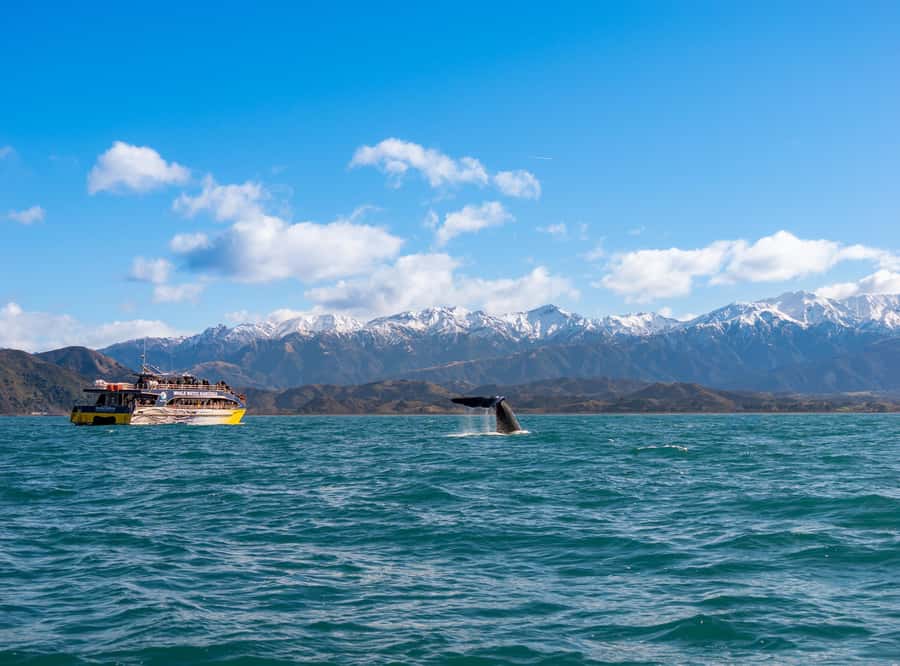
- Close sperm whale encounters focused on how they surface, breathe, and signal their presence
- Two-hour time on the water, planned to give you enough chances at wildlife sightings
- Outdoor deck viewing paired with indoor comfort for changing weather
- Dolphins and seals often join the party, with birds like the wandering albatross possible too
- Hydrophone-style whale sound cues and clear onboard narration that make sightings easier to follow
- Small-group feel with passenger numbers kept well below the vessel’s capacity
Kaikoura keeps delivering, see these
- Kaikoura: Whale Watching Cruise
★ 4.6 · 3,089 reviews - Whale Watching in Kaikoura by Boat
★ 4.5 · 2,906 reviews - Kaikoura: Whale Watching Flight with Commentary
★ 4.6 · 823 reviews - Wildlife Sea Kayaking Tour – Kaikoura
★ 5.0 · 467 reviews
Kaikōura’s whale watching goal: giant sperm whales, plus real wildlife variety
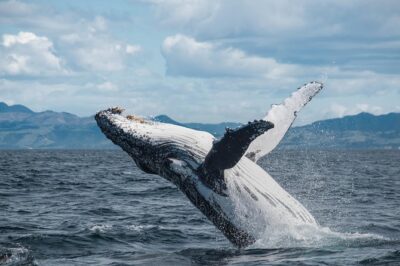
Kaikōura is all about one main target: giant sperm whales in their natural environment off the South Island. What makes this cruise work is that the experience is built around actual spotting, not just a long boat ride with speeches. When the whales are present, you get the kind of moment that makes the rest of the day feel like a warm-up.
You are also not stuck with a single-biospecies fantasy. Besides the sperm whales, you should expect a mix of other marine life, including fur seals and dolphins, and birds such as the wandering albatross. That matters because wildlife can be unpredictable, so your trip is designed to reward you even if the whales move on a bit quicker than you want.
From Whale Watch Kaikōura office to your 3h15 total time
Your start point is the Whale Watch Kaikōura office. From there, the schedule flows into a check-in process, a safety briefing, and bus transfers to the boat. The cruise lasts 210 minutes overall, but the time on the water is just over 2 hours. So I tell you to plan around about 3 hours and 15 minutes when you count everything together, not just the sailing time.
A practical detail that affects your comfort is motion. If you suffer from motion sickness, the operator recommends taking precautions before you arrive, and motion sickness tablets are available for purchase at the office. That is worth noting because the sea can be choppy, and the cruise does not try to hide that reality.
There are also a few boundary conditions to keep in mind. Smoking is not allowed. The minimum age is three years old, though the minimum age is subject to sea and weather conditions at the time of check-in. The tour is wheelchair accessible, which is great if you need step-free options on a boat day.
The catamaran ride: outdoor viewing, indoor comfort, and quieter tech
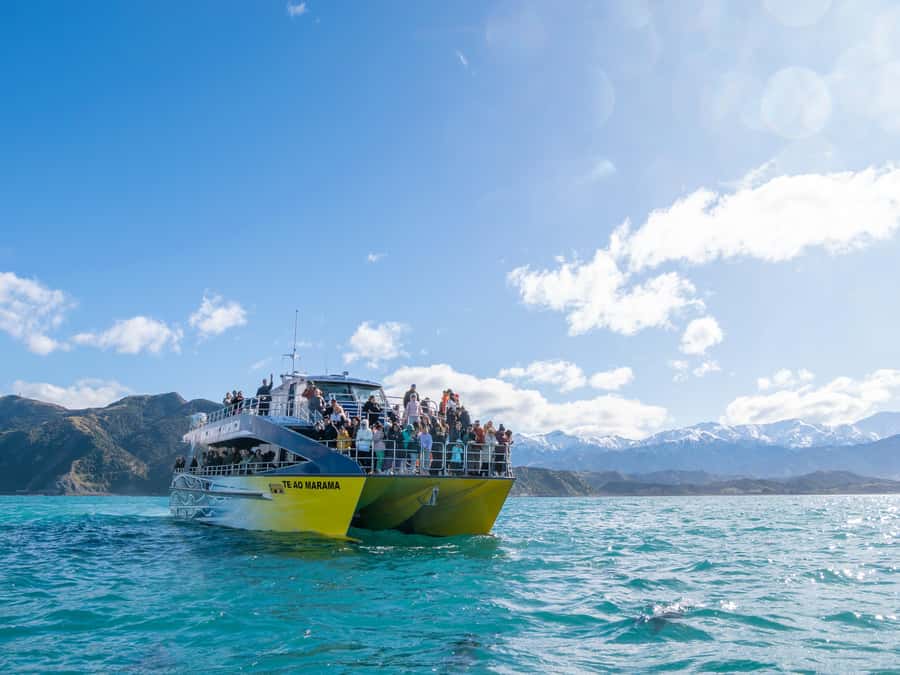
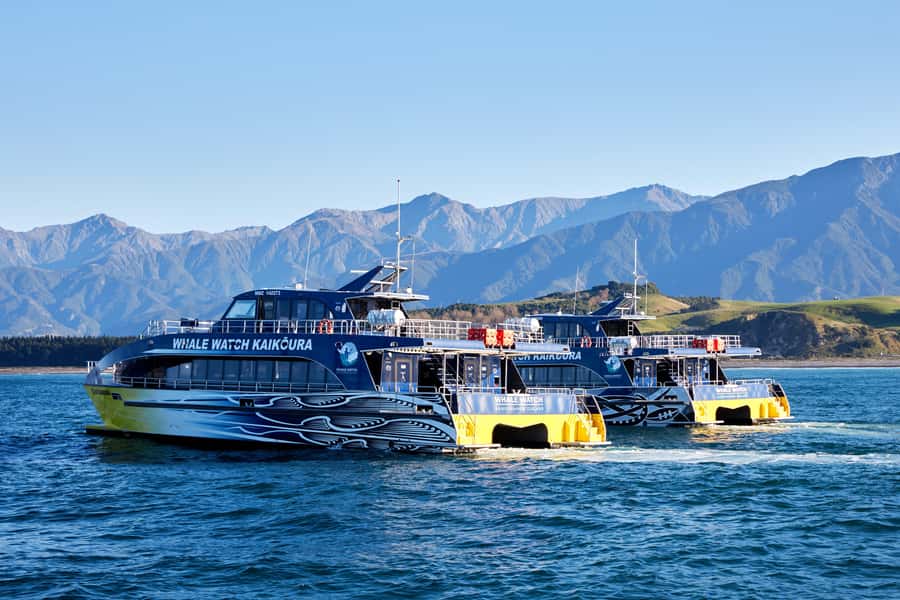
This is a catamaran cruise, and the boat is set up for two different ways of watching. You can stay out on the large outdoor decks for the best direct views, or duck inside for air-conditioned comfort if the weather flips or you get cold.
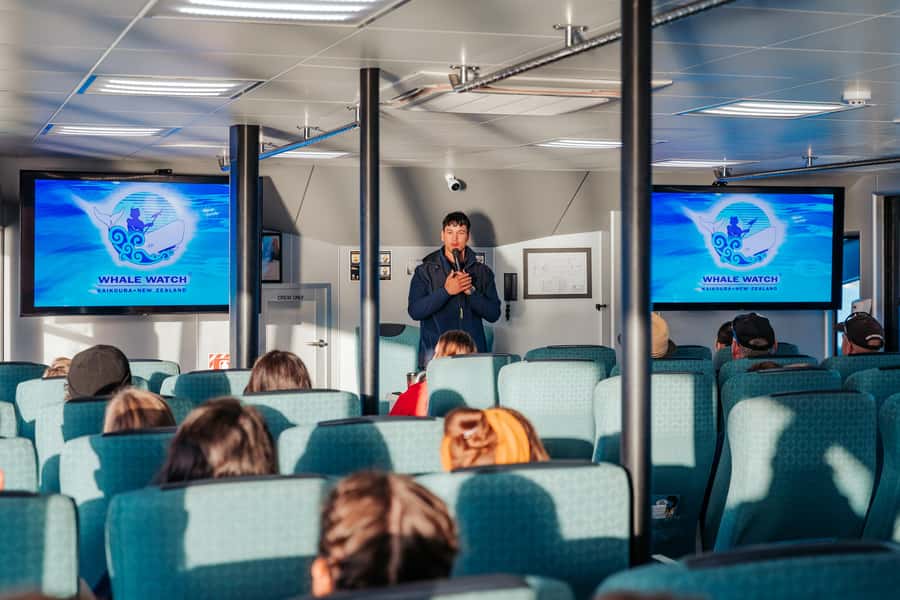
You also get screens inside that show marine wildlife animations. That sounds like a small add-on until you are out on the water for a while and the crew is explaining what you are likely to see next. The animations help you connect the science to what’s happening right outside the windows.
One of the more “quiet conscience” features is how the engines are designed to minimize underwater noise. They also use nonpolluting toilets. Those details might feel technical, but they signal the kind of operation this is trying to be: animal respect built into the basics, not just a sign on the wall.
Another comfort factor is crowding. Passenger numbers are kept well below the vessel’s capacity, so you are not fighting for a place at the rail every time a whale surfaces. That makes photos easier too, but more importantly it makes whale spotting less stressful.
How you actually spot whales: crew tracking, warnings, and sound cues
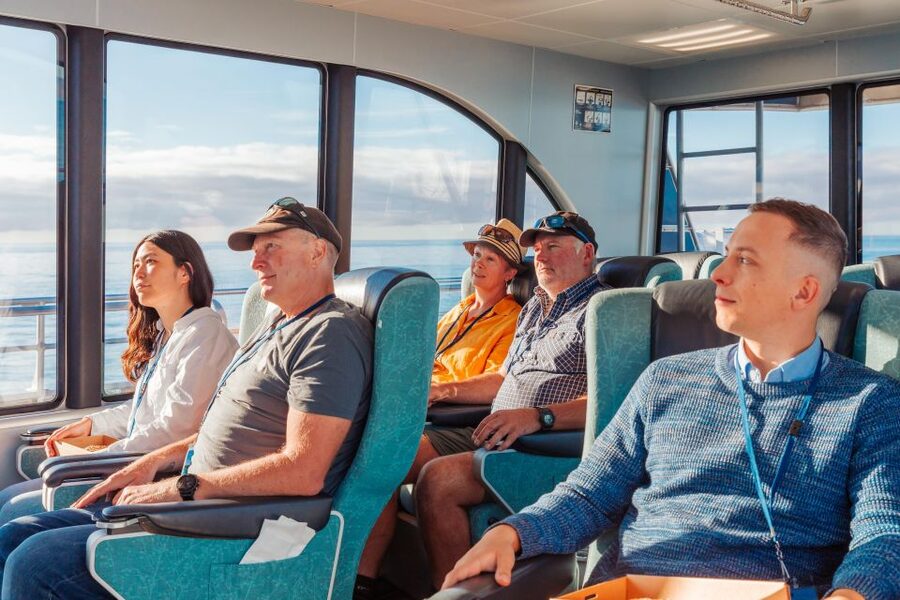
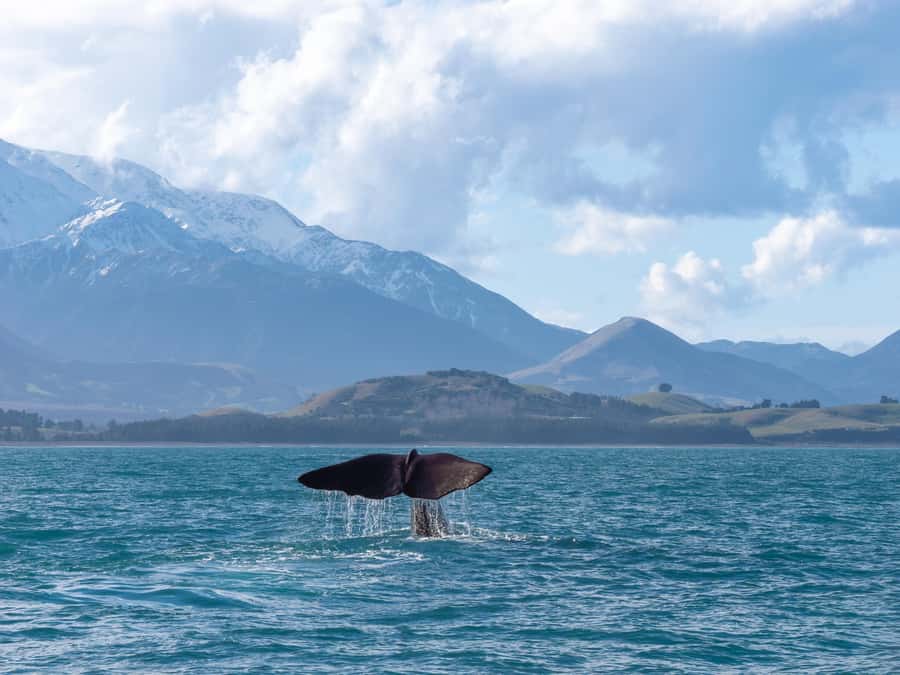
The main event is your giant sperm whale encounter, and it typically happens through a mix of crew spotting and cueing. The onboard narration helps connect what you are seeing to what the whale is doing. You may also get timing clues linked to whale sound monitoring, including hydrophone-style listening for whale clicks, which helps you understand when a whale is active even before it appears at the surface.
In practical terms, good whale watching is not just luck. It is also about repositioning fast and keeping people oriented. Several guides and captains have been praised for locating whales and finding the right moments efficiently, so you are not stuck with the same slow pass each time. When whales are spotted, the classic moment often lands on time, the kind of surface behavior that gives you that unforgettable tail-and-breathing view.
It also helps that the crew warns you when a whale is about to surface. That simple heads-up can be the difference between catching it fully and missing it while you are still scrambling for your camera. And if you get more than one sperm whale encounter in a single outing, it often feels like getting multiple “peak moments” instead of one.
Wildlife bonuses that keep the cruise exciting between whale sightings
Even with the whale as the headline act, the cruise is designed to keep your eyes busy. Dolphins and seals are common extras, and birds can show up during the run between sightings.
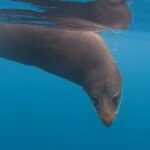
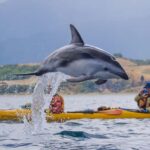
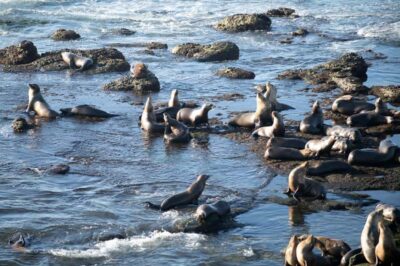
Dolphins are often the most energetic bonus. You may see pods swimming alongside the boat and doing playful leaps, which is great because it gives you constant movement to watch while you wait for the whales to surface again. Fur seals are another frequent add-on, and they tend to give you calmer, closer wildlife moments.
For birds, the highlights include the wandering albatross. That is a standout because it is endangered, and it is not the type of bird you see on every ocean trip. You might also spot other sea birds in the mix, depending on what the day is doing.
One more practical point: you might not always get the exact mix listed for the highlights every single day. But the cruise is structured so that when whales are hard to find in a given moment, the chances are still good for dolphins, seals, and birds to keep the experience lively.
Narration, animation, and the human side of the ocean
The onboard narration is a big part of why this trip feels like more than a boat tour. You are not just hearing facts; you are getting help interpreting behavior. That includes scientific information and indigenous knowledge shared by the crew. It matters because whales are complex animals, and a few well-timed explanations make the sightings feel more meaningful instead of random.
You may also notice the way the operation shares story and context. Some guides have been noted for connecting the experience to Māori values and community ties, including Ngāi Tahu iwi ownership. Even if you do not know the context ahead of time, it gives the cruise a deeper sense of place.
You can also get a clearer picture of what is happening through tools like trip tracking. Some sailings include whale dive timing announcements and whale sound monitoring cues, which helps you understand why the boat is heading where it is heading.
Names you might hear during a trip include guides such as Caolan and Mikayla, and captains such as Jack. Another guide mentioned in recent experiences is Billy. The point is not celebrity names, it is that this is run by a crew that takes finding wildlife and explaining it seriously.
Price and value: is $104 per person worth it?
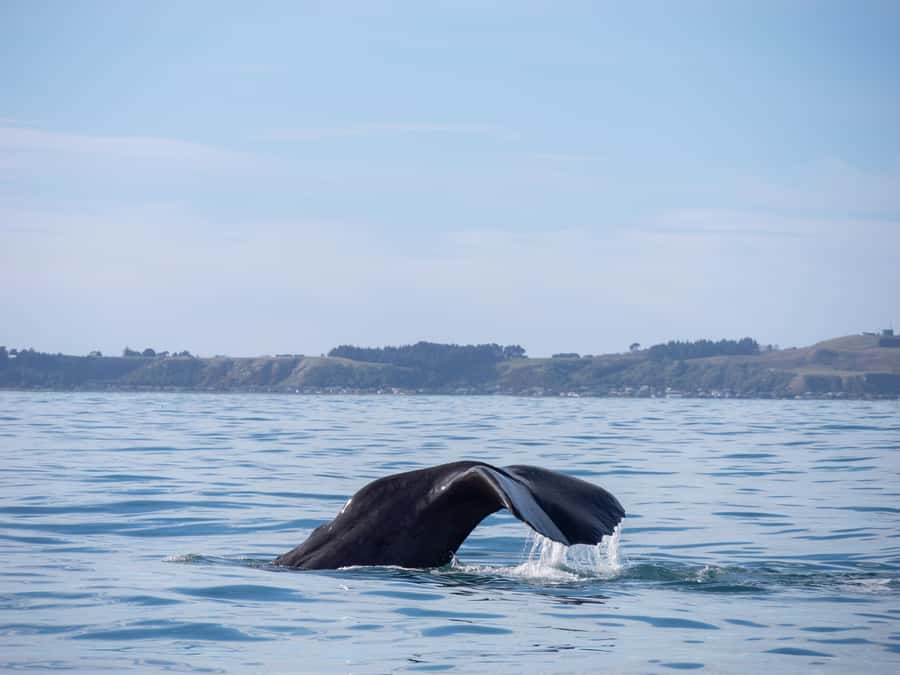
$104 per person is not cheap, but it is also not just you paying for time on the water. In this price you are paying for:
- a catamaran cruise with about 2 hours on the water
- narration by the crew
- onboard animation designed to make marine wildlife easier to understand
- an experience shaped for close encounters, not distant sightseeing only
- boat design choices that aim to reduce underwater noise
The value question really comes down to how you handle the uncertainty. Whale watching is never a guaranteed animal factory. But this outing has multiple layers that improve your odds of feeling satisfied even if sightings shift: dolphins, seals, and birds can show up alongside sperm whales, and the crew’s tracking and cueing help you stay engaged while waiting.
One small cost note: food and drinks are not included. If you need snacks or hydration, plan to bring your own or budget for purchases elsewhere before you head to the office. On a boat day, being hungry and thirsty can turn a great trip sour fast.
When to book, and how to improve your odds
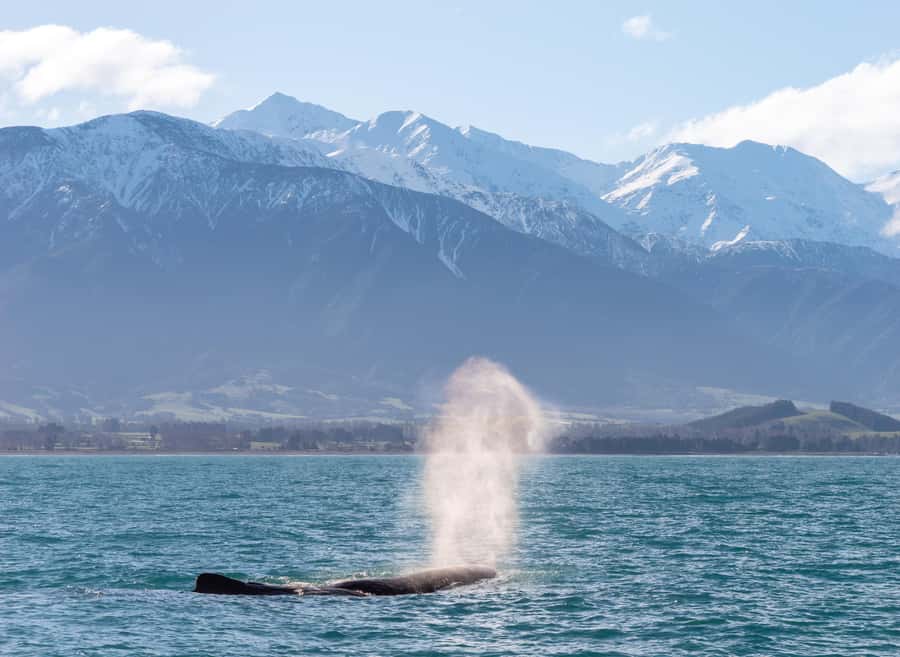
If you have flexible options, I would think about timing. One tip that has come up is choosing a later tour, since the early departures can be used to locate whales and then the rest of the day follows that information. This is not a promise, but it is a smart way to use flexibility to work with how whale tracking works.
Also remember the tour is subject to favorable weather conditions. The operator will confirm your exact tour time by email after booking, and your tour time might differ from what you request due to availability. If you are planning this as your one “must do” ocean activity, I would build in a little slack, so weather does not derail your schedule.
The other major factor is motion sensitivity. The boat can handle high winds and waves reasonably well, but you can still end up with choppy water. Motion sickness tablets are available at the office, and taking precautions before you arrive is the move.
Who should book this whale cruise, and who should think twice
This cruise fits best if you:
- want a real chance at giant sperm whales off Kaikōura
- like wildlife variety, not just one animal category
- appreciate a crew that explains what you are seeing as you see it
- care about animal-friendly choices like minimized underwater noise and the overall care approach
You should think twice if:
- you are very sensitive to motion sickness and you have not taken precautions
- you need absolutely calm water conditions, because even well run trips can come with choppy stretches
Families can also consider it, but note the minimum age is three years, subject to sea and weather at check-in. If your child is younger than that, this is not the right fit.
Should you book Whale Watch Kaikōura?
If you want one of Kaikōura’s most focused wildlife experiences, I think this is a solid pick. The cruise is built around giant sperm whales, and it is supported by strong onboard narration, hydrophone-style sound cues, and a boat setup that makes it easy to watch from outside while still having a comfortable inside option.
Book it if you can handle the reality of ocean conditions and you plan for motion sickness just in case. If you do that, this is the kind of outing that can give you multiple memorable sightings in one go, from sperm whales to dolphins, seals, and birds.
FAQ
How long is the whale watching cruise on the water?
The experience includes a 2-hour cruise on the water. The total duration listed is 210 minutes, which includes check-in, safety briefing, and bus transfers.
What is included with the ticket?
Your ticket includes the 2-hour cruise, narration by the expert crew, and award-winning animation.
Is food or drinks included?
No. Food and drinks are not included.
Where do I meet for the tour?
You meet at the local partner’s office, Whale Watch Kaikōura.
Is this tour wheelchair accessible?
Yes, the tour is wheelchair accessible.
What is the minimum age to join?
The minimum age is three years old, but it is subject to sea and weather conditions at the time of check-in. Children under 3 years are not suitable.
What if I get motion sickness?
If you suffer from motion sickness, it is recommended to take precautions prior to arriving at the office. Motion sickness tablets are available for purchase at the office.
Out on the Water Near Kaikoura
Everything Else We Wrote Up in Kaikoura

Kaikoura, Beyond the Whales
Just added to our Kaikoura notes
- Private Seal Kayaking and Wildlife Tour in Kaikoura★ 5.0 · 7 reviews
- Kaikoura Helicopters Top n Tail Whale Watch flight★ 5.0 · 7 reviews
- Kaikōura Whale Watching – 1hr 20min Ultimate Adventure★ 5.0 · 8 reviews
- Kaikoura: Coastal and Alpine Scenic Airplane Flight★ 5.0 · 8 reviews
- Kaikōura: 45-Minute Whale Watching Helicopter Tour★ 5.0 · 8 reviews
- Kaikoura: Guided Family Kayaking Adventure★ 5.0 · 9 reviews
Kaikoura Wildlife and Coast, compared.
 ★ 4.5Whale Watching in Kaikoura by BoatFrom $1112,906 reviews
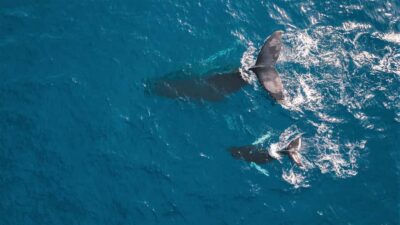 ★ 4.6Kaikoura: Whale Watching Flight with CommentaryFrom $131823 reviews
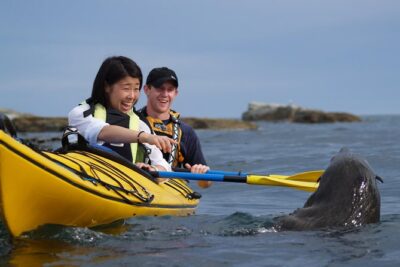 ★ 5.0Wildlife Sea Kayaking Tour – KaikouraFrom $99467 reviews
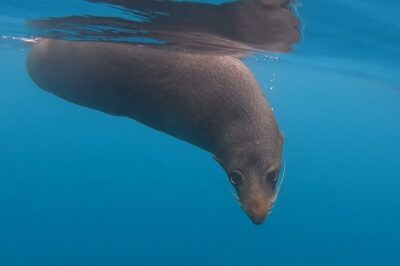 ★ 5.0Seal Kayaking Adventure in KaikouraFrom $83422 reviews
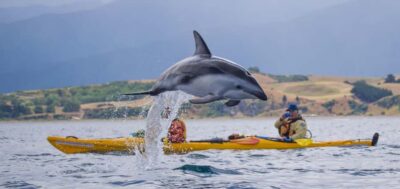 ★ 4.6Kaikoura: Half-Day Wildlife Kayaking TourFrom $95390 reviews
 ★ 5.0Half Day Zipline Adventure in KaikouraFrom $123258 reviews
 ★ 4.5From Christchurch: Kaikōura Day Tour with Whale WatchingFrom $227224 reviews
 ★ 5.0Kaikōura Whale Watching Scenic Flight (40 Minutes)From $170221 reviews
Browse the lists this tour appears in