
REVIEW · HANMER SPRINGS AND CANTERBURY
Hanmer Springs Star Tours at Manuka Skies
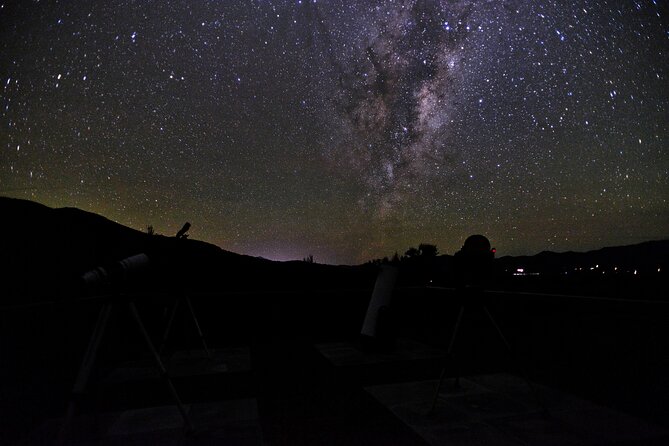
A clear night makes the whole world feel bigger. At Manuka Skies Star Tours in Hanmer Springs, you get that magic in a native forest setting with minimal light pollution, plus guides who help you read the sky like a local. I love the way the night starts with naked-eye constellation navigation, so you are not stuck waiting for a telescope. I also love the inclusion of a Celestron electronically guided telescope for deep-sky targets like the Omega Cluster and Sombrero Galaxy.
One thing to plan around is that this experience depends on good weather. If clouds roll in, you may be rescheduled or refunded, and you should mentally budget for the fact that stargazing is always an outdoor sport.
In This Review
- Key highlights at Manuka Skies (what you will really feel)
- Why Manuka Skies Star Tours feel special in Hanmer Springs
- The 2-hour flow: from Southern Cross to deep-sky viewing
- Step 1: Naked-eye orientation and constellation navigation
- Step 2: Guided Celestron telescope views for deep-sky objects
- Step 3: Manual telescopes, astro binoculars, and interactive star finding
- What the equipment lineup actually means for you
- Wildlife, sound, and that native-forest atmosphere
- Pickup, small groups, and price value in plain terms
- How weather planning really works for this stargazing night
- Who this star tour is best for
- Meet your guide energy, including Brent
- Should you book Manuka Skies Star Tours at Manuka Skies?
- FAQ
- Where does the Manuka Skies Star Tours start?
- How long is the star tour?
- Is pickup included?
- What is the maximum group size?
- What kind of tickets do you use?
- What viewing equipment is included?
- Can you see deep-sky objects?
- Does the tour run in any weather?
- Is confirmation provided after booking?
- Can most people participate?
Key highlights at Manuka Skies (what you will really feel)
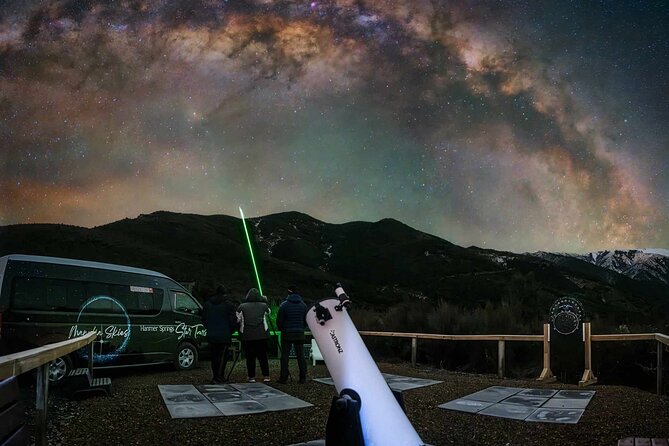
- Minimal light pollution in native bush: a real step away from town glare, built for stars and dark-sky viewing.
- A guided progression from sky maps to telescope views: you learn first, then you look closer.
- Deep-sky viewing with a Celestron electronically guided telescope: for objects you would never spot by eye.
- Free-roam options: manual telescopes and astro binoculars, with an easy lounge-style way to look up.
- Wildlife and soundscape included: a spring-fed stream plus the chance to hear Morepork owls in the area.
- Small group size (max 10): you get more attention and less crowding at the equipment.
Inland Canterbury has more than this
- Hanmer Springs Thermal Pools & Spa
★ 4.5 · 218 reviews - Amuri Adventure Jet Boating in Hanmer Springs
★ 5.0 · 191 reviews - Hanmer Springs: Thermal Pools Single or Return Entry Ticket
★ 4.7 · 107 reviews - Hanmer Springs Quad Bikes
★ 5.0 · 104 reviews
Why Manuka Skies Star Tours feel special in Hanmer Springs
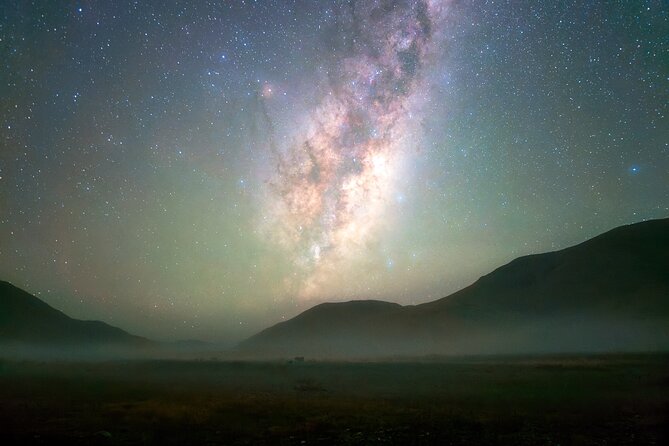
Hanmer Springs is already a great base for an escape, but this star tour adds something different. Instead of a quick photo stop, you are brought to a darker, more nature-focused sanctuary area where the sky actually looks like the sky. The setting matters, because stargazing is mostly about contrast, and Manuka Skies is set up to minimize light pollution.
What I like most is the vibe and the approach. The folks at Manuka Skies describe themselves as kaitiaki for the sanctuary, meaning guardians who care for the place. That shows up in how the night is framed, not just as entertainment, but as a chance to reconnect sky back to earth through the forests you are sitting in.
There is also a calm, almost cinematic atmosphere built into the night. You are not only looking up. You are relaxing to the sound of a spring-fed stream flowing down the mountain, and you may even hear Morepork owls nesting locally.
The 2-hour flow: from Southern Cross to deep-sky viewing
This is an approximately 2-hour experience, with a clear rhythm from simple to advanced. You start outdoors with naked-eye guidance, so you build quick confidence before you start hunting fainter objects.
Step 1: Naked-eye orientation and constellation navigation
The guides take you on a first pass using just your eyes. You will talk through familiar points and help you learn how to navigate the night sky. The Southern Cross is specifically mentioned, and it is a smart starting anchor because it gives you a reference you can keep using all night.
I like this approach for one simple reason: it turns the sky from random dots into a system. Even if you end up focusing on one telescope view later, you leave with at least a couple of mental landmarks.
Step 2: Guided Celestron telescope views for deep-sky objects
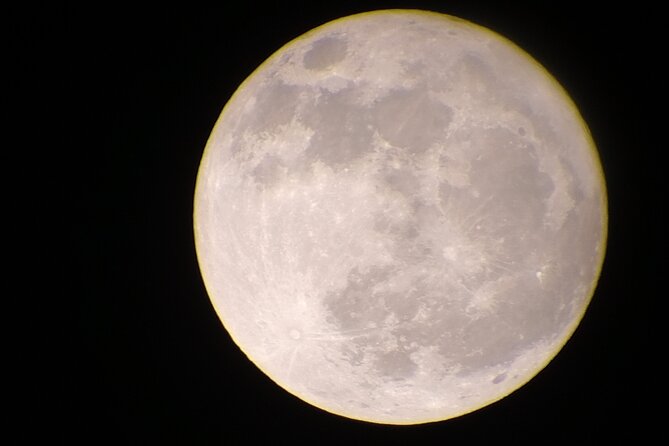
Next comes the part most people are excited about. You get access to a quality Celestron electronically guided telescope for deep-sky objects that are not visible to the naked eye.
Two examples called out are:
- Omega Cluster
- Sombrero Galaxy
This is where the value really stacks up. A dark-sky location helps, but deep-sky objects still require the right viewing setup. The electronic guidance matters because it reduces the frustration factor. You spend more time actually seeing, less time troubleshooting.



Step 3: Manual telescopes, astro binoculars, and interactive star finding
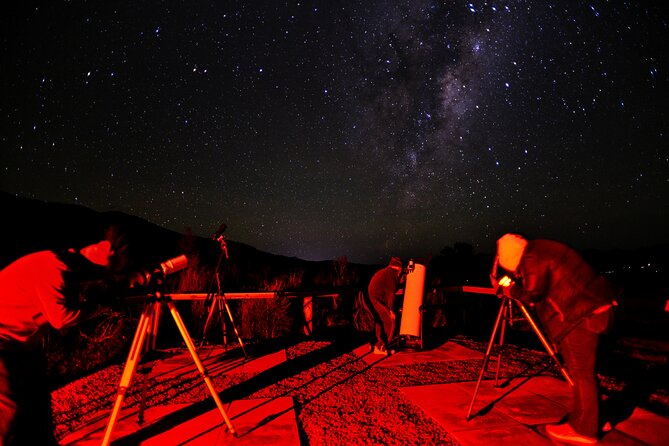
After the main guided highlights, there is room to explore. You also get manual telescopes for a more free roam feel, plus astro binoculars that work nicely on lounges.
That lounge setup is quietly brilliant for comfort and time. Instead of standing and straining your neck, you can settle in and let the sky come to you, while still having viewing tools close at hand. There is also an interactive star finder so you can test your navigation skills, which turns the learning part into a real activity instead of a lecture.
What the equipment lineup actually means for you
Different telescopes suit different ways of looking. The tour mixes tools so you can match the experience to your patience level.
If you like hands-on and slower discovery, manual telescopes give you that free-roam style. If you want quick, guided results for fainter targets, the electronically guided Celestron does the heavy lifting.
The astro binoculars and interactive star finder are a great middle ground. Binoculars let you enjoy wide sections of sky without the pinpoint pressure of a telescope. The star finder, in turn, helps you connect what you are seeing with where to look next, so you do not just view one moment. You build momentum.
I also appreciate that the equipment is described as a range. That usually means you are not stuck waiting your turn at a single device for the entire night. With a maximum group size of 10, you are more likely to get real time at the equipment.
Wildlife, sound, and that native-forest atmosphere
Stargazing tours can feel sterile, like you are sitting in a parking lot after dark. Here, you are in a native forest setting that is framed as a sanctuary for both astronomy and wildlife.
Two nature details are specifically highlighted:
- a spring-fed stream flowing down the mountain
- Morepork owls that nest in the area
You may not see wildlife on cue, but hearing it is part of the point. The sound of water plus the possibility of Morepork owls turns the night into an experience you remember even if cloud cover limits star visibility.
And because the tour is tied to the idea of kaitiaki guardianship, it feels like the forest is treated as more than scenery. It is part of the program, which is exactly how it should be.
Pickup, small groups, and price value in plain terms

The tour includes pickup. In practice, that matters because you are heading from the town area up into surrounding hills. You do not have to figure out a late-night route or parking situation yourself, and you arrive already in the right mindset.
Group size is capped at 10. That is a sweet spot. You get enough people for the social energy, but not so many that you are competing for attention around the telescope.
Now, about the price: $80.05 per person for roughly 2 hours. That is not cheap, but it is not random either. You are paying for:
- dark-sky location with minimal light pollution
- guided constellation navigation (so you get meaning, not just visuals)
- access to a Celestron electronically guided telescope
- additional viewing tools like manual telescopes and astro binoculars
- pickup to the viewing area
If you are going to spend money on stargazing in New Zealand, I think this is the kind of experience that justifies it, because the equipment and guidance are clearly part of the value, not an afterthought.
One small operational detail to keep in mind: this is often booked around 44 days in advance on average. If you are traveling in a busy season or on a tight schedule, it is smart to lock it in earlier rather than waiting for a perfect weather day to choose last minute.
How weather planning really works for this stargazing night
This is one of those tours where the sky is the boss. The experience requires good weather, and if poor weather cancels it, you are offered a different date or a full refund.
That matters because stargazing is binary. Thin cloud can turn a great night into a frustrating one. The good news is that the operation has a clear weather contingency, and communication is specifically praised for being helpful when plans cannot happen.
My practical advice: when you book, keep your other plans flexible for the same timeframe. If you are in town for only one night, you are taking a bigger risk than if you have two or three evenings available to reschedule.
Who this star tour is best for
This works well for a wide range of people because it does two things at once: it teaches you to look, and it provides serious viewing gear.
You will likely love it if:
- you want to learn constellations like the Southern Cross instead of just pointing cameras at the sky
- you care about deep-sky objects and do not want to spend the whole time guessing
- you like comfortable viewing (lounges plus binoculars) as much as you like telescope time
- you prefer a small group setting where the guide can actually help
It can also suit first-time stargazers. The flow starts simple. You are not expected to already know how to find the sky.
Meet your guide energy, including Brent
Guide quality is a big part of whether stargazing feels magical or confusing. The tour is run by Kara as the experience provider, and one guide named in the experience context is Brent.
What stands out from the way the guides are described is passion and hands-on clarity. You want someone who can explain what you are looking at and help you stay oriented once you are under dark skies. That combination is exactly what makes the learning part feel rewarding instead of awkward.
Should you book Manuka Skies Star Tours at Manuka Skies?
I would book this if your goal is a real star experience, not just a night out with a few quick telescope peeks. The mix of naked-eye navigation, deep-sky telescope viewing for targets like the Omega Cluster and Sombrero Galaxy, and the relaxed lounge-style binocular time is a strong combo for value.
I would think twice if you only have one evening and your schedule cannot bend for weather. Since the tour requires good conditions, you will get the most satisfaction by planning for the possibility of a reschedule.
If you are in Hanmer Springs and you want your night to feel genuinely different, this is a smart use of time.
FAQ
Where does the Manuka Skies Star Tours start?
The tour starts in Hanmer Springs, New Zealand.
How long is the star tour?
It is approximately 2 hours.
Is pickup included?
Yes, pickup is offered.
What is the maximum group size?
The maximum group size is 10 travelers.
What kind of tickets do you use?
You receive a mobile ticket.
What viewing equipment is included?
You will use naked-eye guidance, a Celestron electronically guided telescope, manual telescopes, astro binoculars, and an interactive star finder.
Can you see deep-sky objects?
Yes. The tour specifically mentions deep-sky targets such as the Omega Cluster and Sombrero Galaxy.
Does the tour run in any weather?
The experience requires good weather. If it is cancelled due to poor weather, you will be offered a different date or a full refund.
Is confirmation provided after booking?
Yes, confirmation is received at the time of booking.
Can most people participate?
Most travelers can participate.
The Wider Hanmer Springs Shortlist
Everything Else We Wrote Up in Hanmer Springs



Inland Canterbury
Just added to our Hanmer Springs notes
- Hanmer Springs Jetboat & Quad Bike Combo★ 4.8 · 10 reviews
- Hanmer Springs Star Tours at Manuka Skies★ 5.0 · 11 reviews
- Hanmer Springs Rafting and Quad Bike combo★ 5.0 · 14 reviews
- Hanmer Springs: 35-Meter Bungy Jump off Waiau Bridge★ 4.9 · 18 reviews
- Hanmer Springs: Waiau Gorge Rafting Tour★ 4.3 · 24 reviews
- Hanmer Springs 2-Hour Quad Bike Safari★ 4.4 · 45 reviews
Hanmer Springs and Canterbury, compared.
 ★ 4.5Waipara Wine Tour from Christchurch – including Lunch & TastingsFrom $117462 reviews
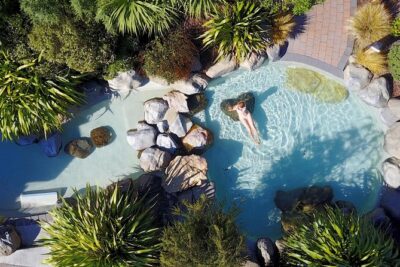 ★ 4.5Hanmer Springs Thermal Pools & SpaFrom $26218 reviews
 ★ 5.0Amuri Adventure Jet Boating in Hanmer SpringsFrom $80191 reviews
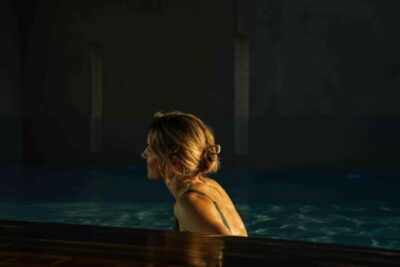 ★ 4.8Ōpuke Thermal Pools: Adults-Only Entry with Swim Up BarFrom $40163 reviews
 ★ 5.0Waipara Wine Experience for 2 or more, inc tastings and lunchFrom $123147 reviews
 ★ 4.5Methven: Ōpuke Discovery Pools 2-Hour SessionFrom $19133 reviews
 ★ 4.7Hanmer Springs: Thermal Pools Single or Return Entry TicketFrom $25107 reviews
 ★ 5.0Hanmer Springs Quad BikesFrom $109104 reviews
Browse the lists this tour appears in