
REVIEW · WELLINGTON TOURS AND ATTRACTIONS
Guided Small Group Walking Tour in Wellington
Wellington looks different when you walk it. This guided small-group route threads through Parliament grounds, up onto the seismic fault line, then drops you near Te Papa with an easy city orientation you can actually use. It is built for first-time visitors who want more than postcard stops, and for return visitors who want fresh context.
I especially like how the tour mixes big-picture Wellington with place-by-place details. You get history and politics at the New Zealand Parliament area, then you walk into the botanic world where exotic and native plants are shown together in the Wellington Botanic Gardens bush. In the most praised guide moments, people call out leaders like Louie or Von for tying architecture, plants, and Māori culture into one story that stays fun.
The main consideration is the walking. This is about 2 hours 30 minutes at a steady pace, and you will be climbing, so plan for an uphill stretch and bring grippy shoes.
In This Review
- Quick hits before you book
- Wellington Railway Station to Te Papa, the walk that gives you bearings fast
- Wellington Railway Station and Parliament: politics you can actually picture
- Premier House and the fault-line route: the city’s drama in real time
- Wellington Botanic Gardens: where exotic and native feel like one story
- Cable Car summit orientation: views, landmarks, and a breather
- Suburbs and Cuba Street to Te Papa: the city level-up in one stretch
- Price, pace, and who this small-group walk is really for
- Should you book this Wellington walking tour?
- FAQ
- How long is the Guided Small Group Walking Tour in Wellington?
- Where does the tour start?
- Where does the tour end?
- How big is the group?
- What fitness level do I need?
- Are service animals allowed?
- What happens if the weather is poor?
Quick hits before you book

- A route that starts at the neoclassical Wellington Railway Station and uses the city’s core landmarks as your orientation map
- Politics on foot at Parliament and Premier House, with the fault line route woven into the explanation
- Botanic Gardens that focus on biodiversity, showing how exotic and native flora and fauna connect in Wellington
- Cable Car summit views for orientation, without making you ride the cable car for the whole tour
- Cuba Street and Te Papa finish, so you can refuel and keep exploring right after the walk
The capital keeps going, see these too
- Wellington: Wētā Workshop Guided Tour Ticket
★ 4.7 · 997 reviews - Wētā Workshop Experiences Tour – Wellington
★ 5.0 · 875 reviews - Wellington: Return Cable Car Ticket
★ 4.6 · 714 reviews - Half Day Tour of Wellington
★ 4.5 · 638 reviews
Wellington Railway Station to Te Papa, the walk that gives you bearings fast
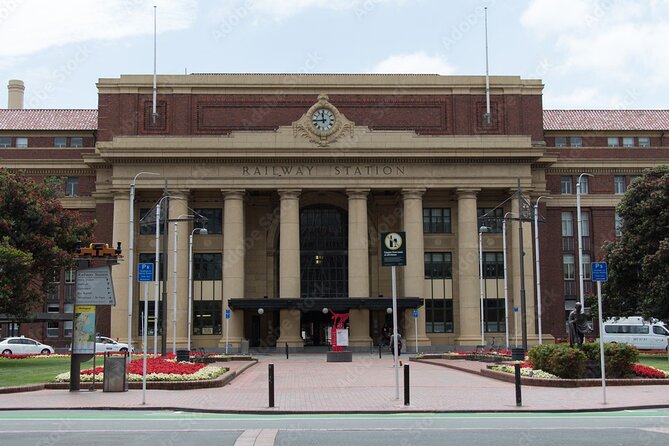
This tour is basically a guided shortcut to understanding Wellington’s geography and character. You start at the Wellington Railway Station, then move quickly into the Parliament area, so your brain locks onto where power and government sit in the city. From there, the route keeps earning its keep, by physically moving you through viewpoints, fault-line terrain, and neighborhood streets.
You will also appreciate the pacing style. It is a walking tour, not a bus tour with occasional stops. That means you see the city at human speed, and your guide can point out patterns you would otherwise miss, like how the streets relate to the hills and how the city’s form shapes everyday life.
Best of all, the itinerary is structured around places where you can stop, listen, look, and then keep moving. The total time is about 2 hours 30 minutes, and the flow is designed to keep you oriented without turning into a long slog.
Wellington Railway Station and Parliament: politics you can actually picture
The start is at the main entrance of Wellington Railway Station (meeting at Bunny Street, Pipitea). The timing is quick at first, just around 10 minutes, which is perfect for getting everyone together and settled before you head toward the Parliament grounds.
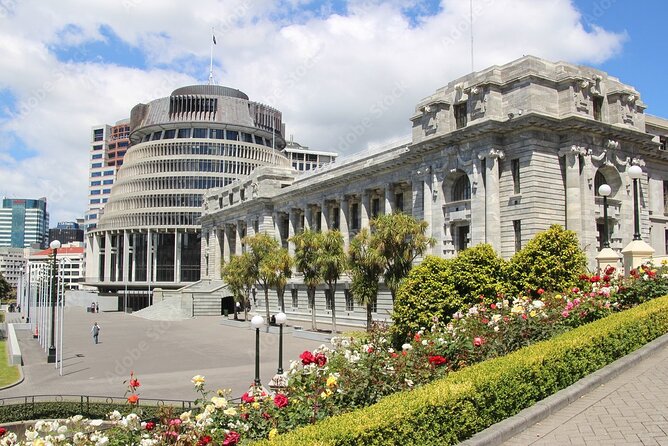
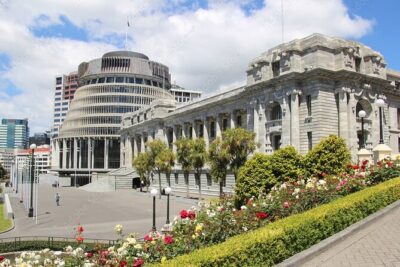
Then you walk into the Parliament zone for a focused discussion time. Expect about 15 minutes centered on New Zealand Parliament, with your guide talking about New Zealand politics and culture, and how Wellington connects to it. This is one of those stops that is short, but it helps you understand why Wellington feels the way it does. Even if you only remember a couple of key ideas, the location makes it stick.
One bonus here is that you are not stuck behind glass or in a lecture hall. The buildings, their function, and their surrounding architecture are part of the explanation, so you get context right where it belongs. It is a smart way to turn a civic area into something you can visualize later.
Practical tip: since this part is early in the tour, it is a good moment to ask questions. If anything about how Wellington works, politically or geographically, is on your mind, this is a natural time to clarify it.
Premier House and the fault-line route: the city’s drama in real time
Next comes Premier House on Tinakori Road, and this is where the walking route gets more memorable. You get about 15 minutes here, and the explanation is tied to Wellington’s seismic fault line. The key idea is that the city is not just pretty and hilly, it is shaped by geological forces, and your route follows that logic.
Your guide will point you along the fault-line direction as you head toward the botanical gardens. The most useful part of this is mental mapping. After this stop, you start to understand why Wellington neighborhoods and viewpoints feel arranged the way they do.
This is also a moment where the tour stays grounded in practical observation. You are walking, looking at the surroundings, and learning why the terrain matters. If you enjoy geography or you like seeing how land affects daily life, this segment is a strong value.
Wellington Botanic Gardens: where exotic and native feel like one story
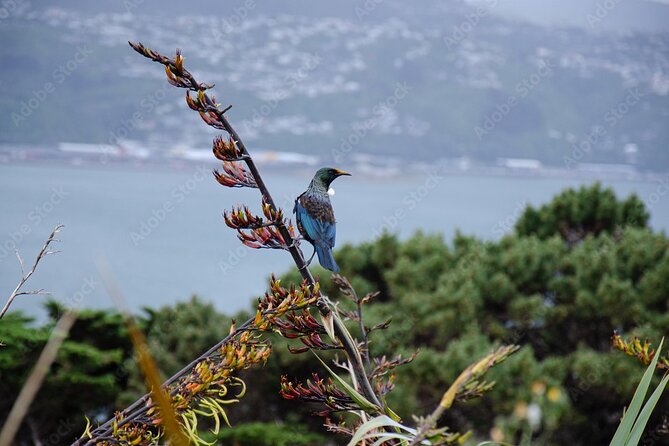
The big nature stop is the Wellington Botanic Garden, with about 30 minutes allotted. This is the part people often call out as a highlight, and for good reason. The gardens are described as a place where exotic and native flora and fauna are paired together thoughtfully, so you can see how Wellington’s plant life tells a wider New Zealand story.
Expect a walk that mixes lush garden paths with denser bush areas. The talk focuses on biodiversity in Wellington and why New Zealand’s plant and animal life is unique. Even if you are not a plant expert, the way this gets explained helps you notice differences instead of just admiring scenery.
One real advantage of doing this with a guide is that they can connect the visible to the bigger picture. You are not just looking at greenery, you are learning why the mix exists, and what it means in a place shaped by wind, hills, and a distinct native ecosystem.
Practical tip: if you get even slightly tired on climbs, go easy here. It is still outdoors and active, but it is a place where you can slow down, listen, and then move again without feeling rushed.
Other walks around Wellington



Cable Car summit orientation: views, landmarks, and a breather
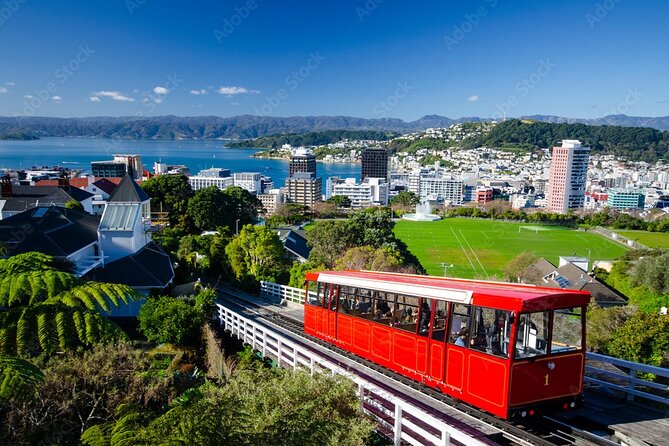
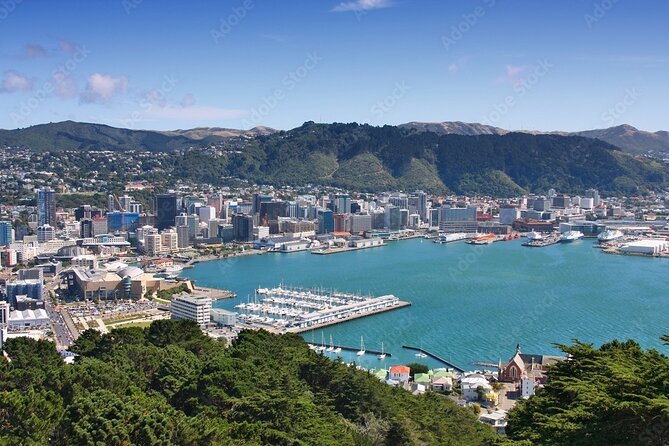
After the gardens, you move toward the Wellington Cable Car top for about 10 minutes. This is not a long ride segment, it is a viewpoint stop where your guide helps you orient.
You get a wide vista, and your guide points out landmarks so your mental map upgrades quickly. This is one of the smartest elements of the tour. Many walking tours stop at scenic spots without helping you translate what you are seeing into where you are in the city. Here, the top view is used as a learning tool.
You also get a built-in chance to pause. In past experiences, people have noted taking a drink near the top area, which is a welcome reset before the next phase of the walk.
Practical tip: bring a light layer if it is breezy up top. Wellington weather can change fast, and the wind at viewpoints is real.
Suburbs and Cuba Street to Te Papa: the city level-up in one stretch
From the gardens and cable car summit, the tour transitions into neighborhood walking. The description emphasizes suburbs and places most people do not see, and that lines up with what makes this feel like more than a highlights tour. You pass precariously positioned houses and narrow, winding streets as you make your way down.
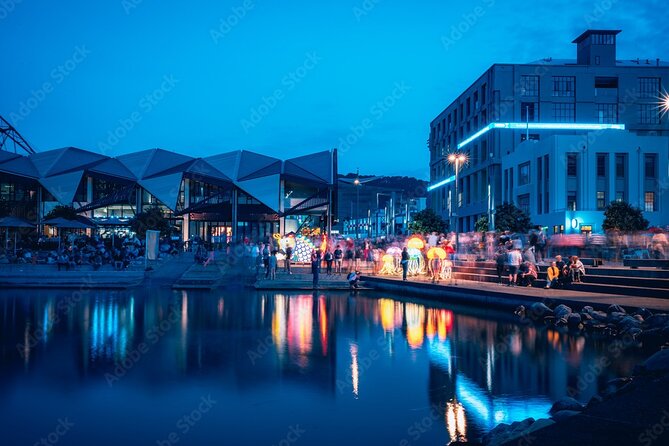
Then you reach Cuba Street, the heart of the city’s energy, for about an hour. Expect a quick refreshment stop and a chance to regroup. Cuba Street is a good place for this because it lets you connect the big ideas from earlier stops with everyday Wellington life: shops, cafes, and that energetic mix of locals and visitors.
This part of the tour often turns into the moment where the guide becomes useful for your next moves. People have mentioned getting restaurant and shopping recommendations as an added bonus, and that makes sense here because you end up in the places you can actually act on immediately.
Finally, you finish at Museum of New Zealand Te Papa Tongarewa on the waterfront. The tour ends at Te Papa, at 55 Cable Street, Te Aro, and you usually end up down near the waterfront by the museum. That is a strong way to end, because Te Papa is a logical “next stop” if you want a warm indoor break after walking.
Practical tip: if you plan to go into Te Papa exhibits, build in time. The tour ends there, but the museum can easily eat your afternoon.
Price, pace, and who this small-group walk is really for

The price is $52.75 per person for an experience of about 2 hours 30 minutes with a small group size, up to 10 travelers. That is not cheap, but it starts to make sense when you factor in three things.
First, many major stops are ticket-free in this route, including the Parliament area, Premier House area, botanic gardens, and the cable car viewpoint segment time. Second, you are paying for the guide’s interpretation, not for paid admissions. Third, the itinerary is dense enough to give you a meaningful Wellington orientation in a single morning or afternoon block.
So who is this best for?
- First-time Wellington visitors who want city orientation fast and in-depth context without a car
- People who enjoy walking and want a blend of politics, plants, and neighborhoods
- Travelers who like small groups and personal Q and A moments
Who should think twice?
If you have limited mobility, expect the hills to be a challenge. Even if you consider yourself moderately fit, the walking includes uphill segments, and some people specifically warn that it can feel tiring for seniors. The tour requires a moderate physical fitness level, and half of the time can feel like it is climbing. That does not mean you cannot do it, but it does mean you should plan properly.
Also, this experience requires good weather. If it is raining hard or conditions are unsafe, you may be offered a different date or a full refund. That is important in Wellington, where mist and wind are common.
Bottom line: if you pack sensible shoes, bring water, and you are okay with steady effort, this tour offers strong value. If you hate hills or you want a mostly flat walking experience, you will probably feel it.
Should you book this Wellington walking tour?

I think this is a great choice if you want Wellington to make sense quickly. Starting at the railway station, connecting to Parliament and Premier House, then using the fault line and botanic gardens as anchors, gives you a real mental map. The finish at Te Papa plus Cuba Street makes the day feel complete, not like you only saw a few icons.
I would book it if you can handle an uphill walk and you like guided context. It is the kind of tour where the stops feel connected, and you leave knowing not just what you saw, but why Wellington is built the way it is.
I would skip it if your priority is low-effort sightseeing or if weather is likely to ruin your day. The route depends on outdoor walking and good conditions, and the pace is not gentle for everyone.
FAQ
How long is the Guided Small Group Walking Tour in Wellington?
The tour lasts about 2 hours 30 minutes.
Where does the tour start?
The meeting point is Wellington Station, at the main entrance, near Bunny Street, Pipitea, Wellington 6011.
Where does the tour end?
The tour ends at the Museum of New Zealand Te Papa Tongarewa, at 55 Cable Street, Te Aro, Wellington 6011. It usually finishes near the waterfront by the museum.
How big is the group?
This tour has a maximum of 10 travelers.
What fitness level do I need?
You should have a moderate physical fitness level. The walking includes uphill sections.
Are service animals allowed?
Yes, service animals are allowed.
What happens if the weather is poor?
The experience requires good weather. If it is canceled due to poor weather, you will be offered a different date or a full refund.
The Wider Wellington Shortlist




Everything Else We Wrote Up in Wellington
The Capital, Continued
Just added to our Wellington notes
- Wellington: City Highlights Tour with Cable Car Ride★ 4.4 · 3 reviews
- Wētā Workshop Creative Workshop Intro to Scars and Scrapes★ 4.5 · 3 reviews
- Remutaka Rail Trail- Wellington eBike Cruise Ship Shore Excursion★ 4.5 · 3 reviews
- Private Wellington Craft Beer Full Day Tour★ 5.0 · 3 reviews
- Private Stargazing at Star Safari near Martinborough★ 5.0 · 3 reviews
- Private Lord of the Rings Tour Wellington with Lunch★ 5.0 · 3 reviews
Wellington Tours and Attractions, compared.
 ★ 4.7Wellington: Wētā Workshop Guided Tour TicketFrom $35997 reviews
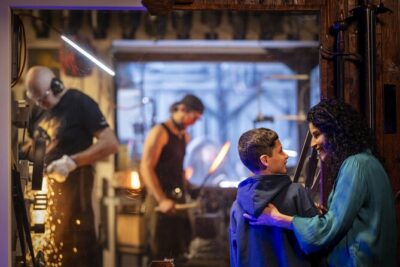 ★ 5.0Wētā Workshop Experiences Tour – WellingtonFrom $36875 reviews
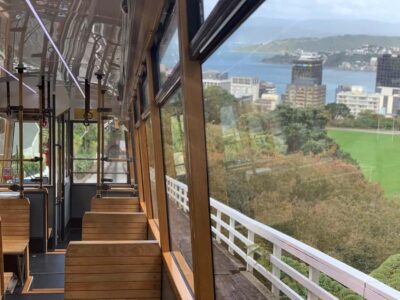 ★ 4.6Wellington: Return Cable Car TicketFrom $7714 reviews
 ★ 4.5Half Day Tour of WellingtonFrom $79638 reviews
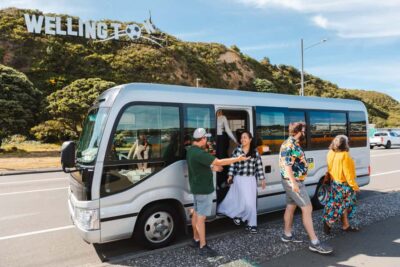 ★ 4.8Wellington: Guided City Tour with Cable Car TicketFrom $53553 reviews
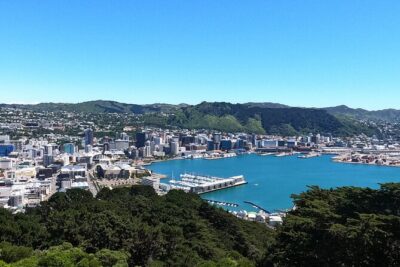 ★ 5.0Wellington’s Original LOTR Experience – includes Weta and LunchFrom $201529 reviews
 ★ 5.0Kapiti Island Classic Guided Day TourFrom $191522 reviews
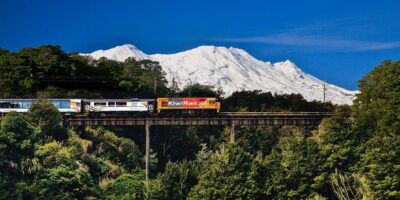 ★ 4.0Northern Explorer Train Journey from Wellington to AucklandFrom $157513 reviews
Browse the lists this tour appears in