
REVIEW · ROTORUA TOURS AND ATTRACTIONS
Buried Village of Te Wairoa
A night of fire, then a village buried. The Museum of Te Wairoa brings the 1886 Mt Tarawera eruption to life, and the Waterfall Trail to Wairere Falls turns history into a real sense of place. I like that you’re not just reading panels, you’re moving through an excavated site with interpretive storytelling.
One possible downside: parts of the experience can feel more self-paced than guided, so plan to show up for the scheduled talks and audio stops. Also, the optional waterfall section has several flights of stairs, so come ready to climb a bit.
In This Review
- Key things I’d mark on your map
- Entering Te Wairoa: history you can walk through
- Museum of Te Wairoa: the 1886 eruption made human-scale
- Guided tour moments: archaeological remains, explained clearly
- The Waterfall Trail to Wairere Falls: a climb with payoff
- What this place teaches about daily life, not just disasters
- Time plan: 1.5 hours is the minimum, 2 hours is a sweet spot
- Price and value: why $16.55 can feel like a bargain
- Best ways to enjoy it without feeling rushed
- Who should book this (and who might want to think twice)
- Should you book the Buried Village of Te Wairoa?
- FAQ
- How long does the Buried Village of Te Wairoa experience take?
- What is included with my ticket?
- How much does it cost?
- Where do I start and finish?
- What are the opening hours?
- Is this mostly self-guided or guided?
- Do I need hotel pickup or drop-off?
- What should I wear or bring?
- Is food included?
- Can I cancel for a full refund?
Key things I’d mark on your map
- A ticket that combines museum learning plus an on-site guided tour through the archaeological remains
- 1886 Mt Tarawera context tied directly to what happened to the Pink and White Terraces
- The Waterfall Trail rewards effort with spray and views at Wairere Falls (about 30 meters down)
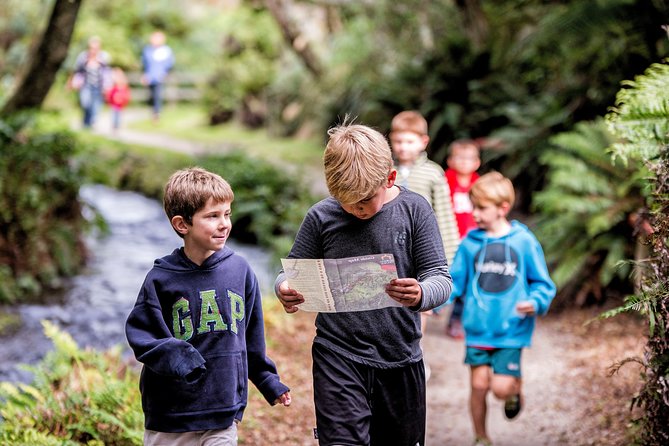
- A clue-map activity for kids helps younger visitors engage with the excavated village sites
- Extra emotional details show up in small interpretive moments, like period letters from Margaret
What else Rotorua puts on
- Rotorua Canopy Tours: 2.5Hour Native Forest Zipline Adventure
★ 5.0 · 4,563 reviews - Rotorua: Wai-O-Tapu Geothermal Park Entry Ticket
★ 4.6 · 2,601 reviews - Rotorua’s Ultimate Zipline: 6 ziplines, 400 m Tandem, Cliff Walk
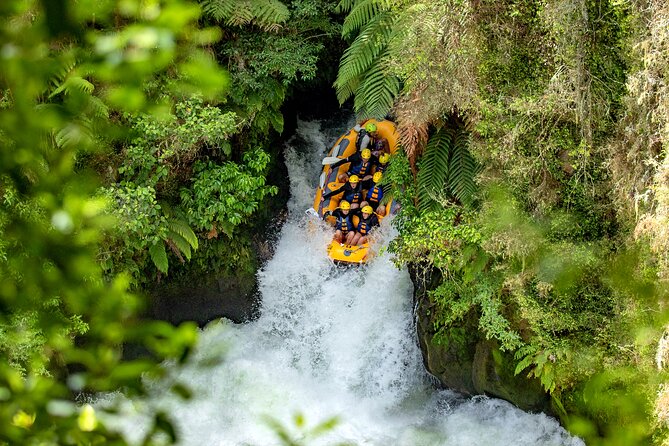
★ 5.0 · 2,557 reviews - Rotorua Rafting: Kaituna River White Water Rafting & Free Sauna
★ 5.0 · 1,952 reviews
Entering Te Wairoa: history you can walk through
If you like Rotorua for geothermal energy and big natural drama, this stop feels like the story behind the steam. The Buried Village of Te Wairoa is about a 15-minute drive from Rotorua, and it gives you a clear link between volcanic power and everyday life on the ground.
What makes it special is the pacing. You start with explanation, then you literally walk over where houses and paths once existed. It’s not a long detour, and you can comfortably fit it into a day of Rotorua sights without racing around.
Museum of Te Wairoa: the 1886 eruption made human-scale
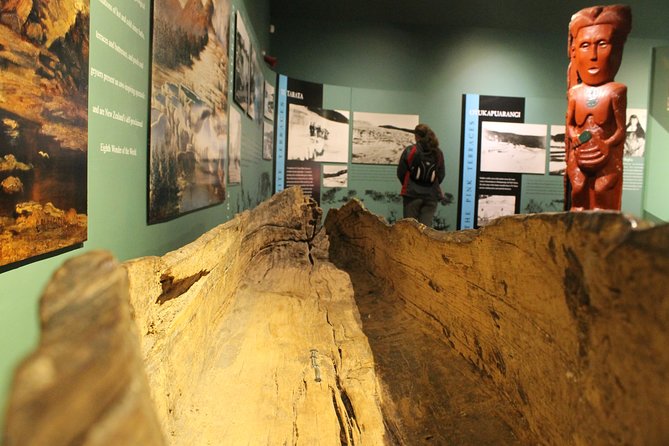
Your ticket starts at the museum, where the Mt Tarawera eruption of 1886 is explained in a way that connects cause and consequence. You learn about the devastation that buried Te Wairoa and wiped out the Pink and White Terraces, a natural landmark that many people came to know and remember.
I like that the museum does more than list facts. It tries to frame the events as lived moments, including what geothermal features meant to people who lived here before the eruption and what changed afterward. The site has an interactive museum feel, and that matters, because it keeps the subject from turning into a dry lecture.
You’ll also see period exhibits and artifacts, and one of the most memorable details is the presence of letters from Margaret, a guest who documented her time there before and after the event. These small personal windows make the tragedy hit harder, without turning the experience into melodrama.
Guided tour moments: archaeological remains, explained clearly
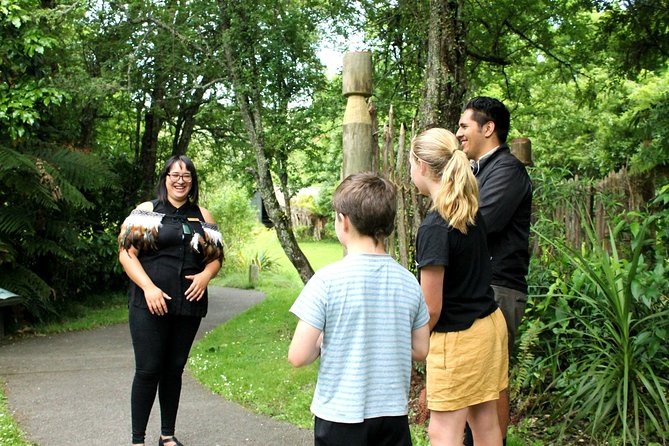
After the museum intro, you’ll move into the excavated village area with a guided component. The site uses scheduled group tours, plus audio and video elements, and talks by costumed guides throughout the day. So even though you can arrive any time during opening hours, you’ll still want to catch at least one “live” or scheduled explanation window.
This is where the experience becomes more than a walking path. A guided tour helps you understand what you’re seeing, especially when you’re looking at geothermal landforms and the archaeological layout of the village.
One thing to watch for: the information style can vary depending on timing. Some people find the self-paced parts less visually “instant,” especially if you’re expecting big, graphic reconstructions of what the buried structures looked like. If you’re the type who learns best with constant narration, you’ll get more out of timing your visit around the included talk slots.
The Waterfall Trail to Wairere Falls: a climb with payoff
Once you’ve taken in the village interpretation, you can head to the Waterfall Trail to Wairere Falls. This section connects you to the geothermal setting beyond the museum walls, including information about Lake Tarawera and the geothermal character of the area.
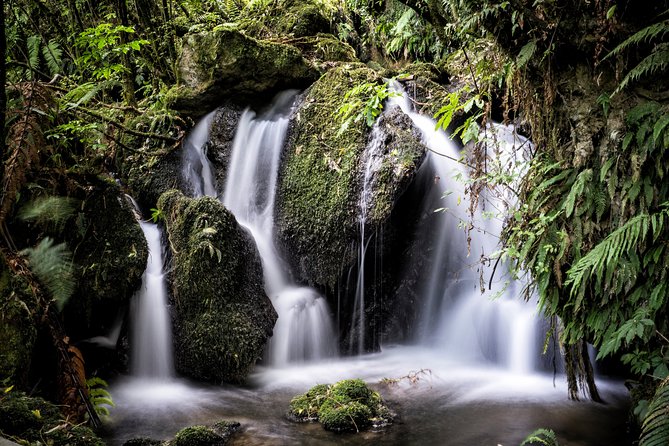
The waterfall itself is dramatic. Wairere Falls drops about 98 feet (30 meters) into the valley, and you’ll stand in the spray as part of the experience. That spray is the point, because it makes the area feel alive in a very physical way.
The optional waterfall portion includes several flights of stairs, so it’s not an “avoid all effort” walk. The good news is that the paths are described as mostly flat and paved for the easier parts, and the waterfall trail is the part that adds vertical movement. Plan to wear proper walking shoes and go at a calm pace.
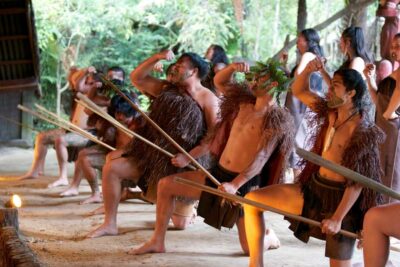
What this place teaches about daily life, not just disasters
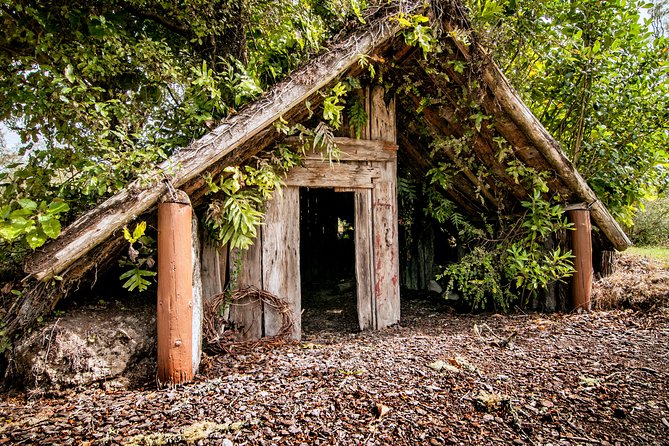
It’s easy to visit a volcanic site and remember the volcano. Te Wairoa asks you to remember the people, too. You learn how Maori communities and early settlers lived in the village, how geothermal features shaped daily life, and how the eruption changed the area so completely that it became buried and forgotten for generations.
That “before and after” contrast is one of the main reasons the experience is so memorable. You get to see the site as it is now, and then connect it to what it used to be. The emotional impact tends to land in the small details, like interpretive stops in front of excavated dwelling areas and the way period materials are presented.
If you’ve got kids, there’s a strong family angle: they can search for clues using a special guide map across the excavated sites. That turns the walk into a puzzle, which helps energy levels stay manageable.
Time plan: 1.5 hours is the minimum, 2 hours is a sweet spot
Even if you treat this as a “quick stop,” I’d plan at least 1.5 hours for the full experience. The reason is simple: the site includes audio guides, living history style tours, and scheduled talks throughout the day. You’re not meant to sprint through.
A practical flow looks like this:
- Start with the museum section so the eruption story has context in your head.
- Then do the guided archaeological portion at a scheduled time if you can.
- Finish with the Waterfall Trail if weather and energy allow.
You can arrive any time during opening hours and stay as long as you like, which is great in Rotorua because weather and crowds can shift quickly. The operation runs in all weather conditions, so build your schedule around comfort, not just the clock.
Price and value: why $16.55 can feel like a bargain
At $16.55 per person, this feels like one of those Rotorua stops that gives more than you expect for the cost. The ticket covers admission, plus access to the museum and interpretive materials, and you’re also set up for a guided tour of the archaeological site.
Where the value shows up is in how the experience is layered. You get multiple modes of learning: museum exhibits, guided explanations, and audio or video support. Then you add a separate payoff walk to Wairere Falls, with a real effort element built in.
Food and drinks are not included, so factor that in. But there’s on-site food available: scones with tea or coffee at Vi’s Teahouse, plus a gift shop if you want a souvenir (and if you’re hoping for souvenir photos, those are available for purchase too).
Also, group size is capped at 150 travelers, which helps keep the site from feeling like an overwhelming conveyor belt. That’s a quiet but real part of the value, because it affects how often you can hear explanations and actually notice what’s around you.
Best ways to enjoy it without feeling rushed
A lot of the experience is about timing your attention. If you’re the type who likes to read every panel, start early and don’t try to do waterfall and everything else in one tight block.
If you’re more “story first,” focus on museum context, then pick one scheduled talk or guided component before you move through the grounds at your own pace. This helps if you’re worried that the self-guided parts might feel repetitive.
One extra tip from what people love: after you’ve done the main area, if you have time, drive a few minutes further down the road for views of the old volcano. You may not need more stops, but those viewpoints can help you picture the bigger volcanic setting behind the village.
Who should book this (and who might want to think twice)
This works especially well for:
- Families, because kids get a clue-map treasure hunt style activity
- History-minded travelers who like learning from place, not just from a page
- People who want both indoor learning and an outdoor payoff walk
It might be less ideal for:
- Travelers who only want heavily guided, high-graphic storytelling with constant narration
- Anyone who struggles with stairs, since the waterfall trail includes several flights of stairs
If you’re visiting Rotorua for geothermal sights, this is a strong “why it looks like this” add-on. You’ll understand the eruption context behind the region’s natural drama, then cap it with a waterfall you can feel.
Should you book the Buried Village of Te Wairoa?
Yes, I’d book it if you want an affordable, meaningful Rotorua experience that mixes museum learning with a real walk through an excavated archaeological site. The $16.55 price feels fair because the ticket includes admission and access to guided and interpretive elements, plus the option to extend into the Waterfall Trail to Wairere Falls.
I’d also book it if you like places where the emotion comes through in small details, like period letters from Margaret, and in how the site helps you imagine what was taken away. Just go in with realistic expectations about pacing: you may need to catch scheduled talks for the most guided feel, and you should plan for stairs if you want the full waterfall section.
FAQ
How long does the Buried Village of Te Wairoa experience take?
Plan for about 45 minutes to 2 hours. For the whole experience, including the walking portions, I’d plan at least 1.5 hours.
What is included with my ticket?
Your admission ticket includes access to the museum, learnings about the Mt Tarawera eruption, and a guided tour of the archaeological site. It also includes scheduled talks and audio or video elements, plus the Waterfall Trail option.
How much does it cost?
The price is $16.55 per person.
Where do I start and finish?
You start at 1180 Tarawera Road, Lake Tarawera, Rotorua 3076, New Zealand. The activity ends back at the same meeting point.
What are the opening hours?
Wednesday through Sunday, from 10:00 AM to 4:00 PM. This schedule is listed for 04/01/2025 to 03/31/2026.
Is this mostly self-guided or guided?
There are guided group tours and scheduled talks included with admission, along with audio and video components. You can arrive at any time and then explore with the included interpretive tools.
Do I need hotel pickup or drop-off?
No. Hotel pickup and drop-off are not included.
What should I wear or bring?
Dress appropriately for all-weather conditions and bring walking shoes. The paths are mostly flat and paved, but the optional waterfall trail includes several flights of stairs. A hat, sunscreen, and an umbrella or raincoat are recommended.
Is food included?
Food and drinks are not included. There is a gift shop, and Vi’s Teahouse offers scones with tea or coffee.
Can I cancel for a full refund?
Yes, you can cancel for a full refund up to 24 hours in advance of the experience start time. If you cancel less than 24 hours before, the amount paid is not refunded.
Everything Else We Wrote Up in Rotorua

Rotorua, Three More Ways


Just added to our Rotorua notes
- Rotorua: Waimangu Valley Walk and Steaming Cliffs Kayak Tour★ 4.7 · 6 reviews
- Rotorua: Lake View Private Pools Experience★ 4.3 · 6 reviews
- Rotorua: Floatplane Flight with Orakei Korako Landing★ 5.0 · 6 reviews
- Rotorua: Evening Starlight Gourmet Kayak Tour with dinner★ 5.0 · 6 reviews
- Rangitaiki Rafting Grade 2★ 4.8 · 6 reviews
- One Day Birding Adventure★ 5.0 · 7 reviews
Rotorua Tours and Attractions, compared.
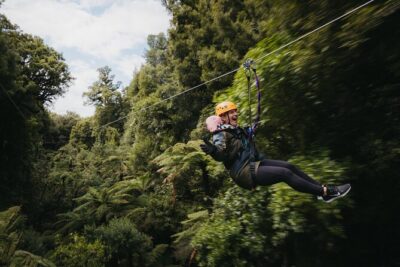 ★ 5.0Rotorua Canopy Tours: 2.5Hour Native Forest Zipline AdventureFrom $1234,563 reviews
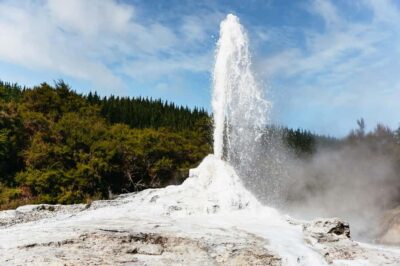 ★ 4.6Rotorua: Wai-O-Tapu Geothermal Park Entry TicketFrom $282,601 reviews
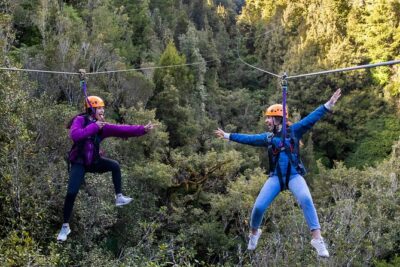 ★ 5.0Rotorua’s Ultimate Zipline: 6 ziplines, 400 m Tandem, Cliff WalkFrom $1662,557 reviews
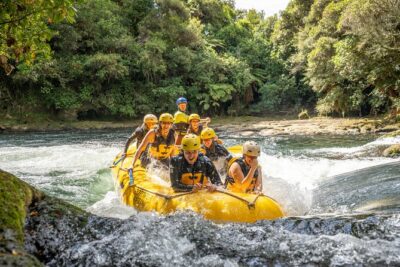 ★ 5.0Rotorua Rafting: Kaituna River White Water Rafting & Free SaunaFrom $831,952 reviews
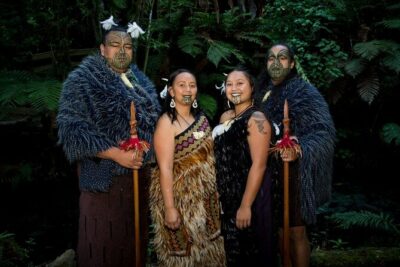 ★ 4.5Mitai Maori Village Cultural Experience in RotoruaFrom $1041,294 reviews
 ★ 4.8Rotorua: Te Pa Tu Māori Cultural Experience with DinnerFrom $1671,193 reviews
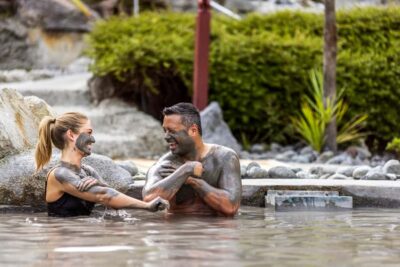 ★ 4.7Rotorua: Hell’s Gate Outdoor Mud Spa & Guided WalkFrom $681,140 reviews
 ★ 4.9Rotorua Rafting: Kaituna River White Water ExperienceFrom $49840 reviews
Browse the lists this tour appears in