
REVIEW · MARLBOROUGH WINE AND THE SOUNDS
Blenheim: Omaka Aviation Heritage Centre Admission Ticket
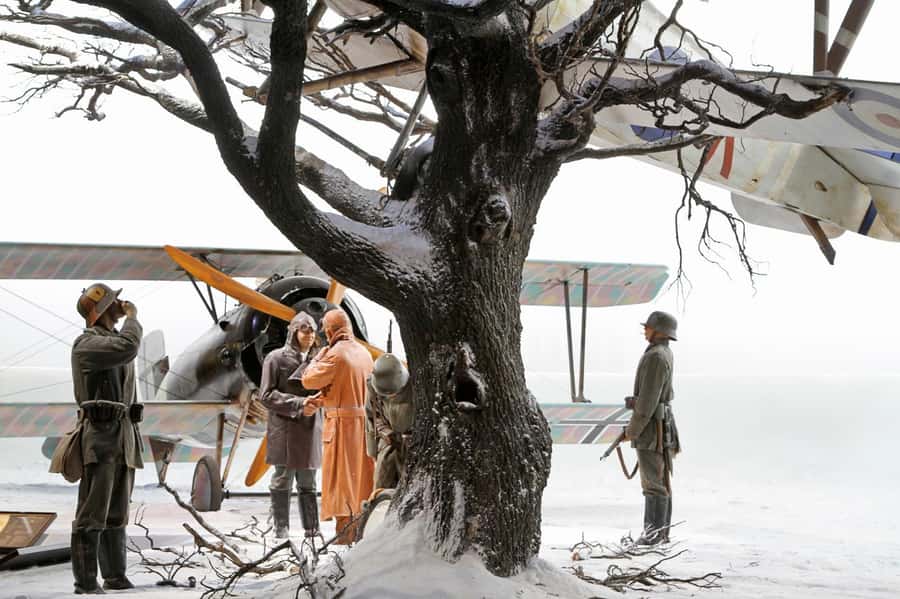
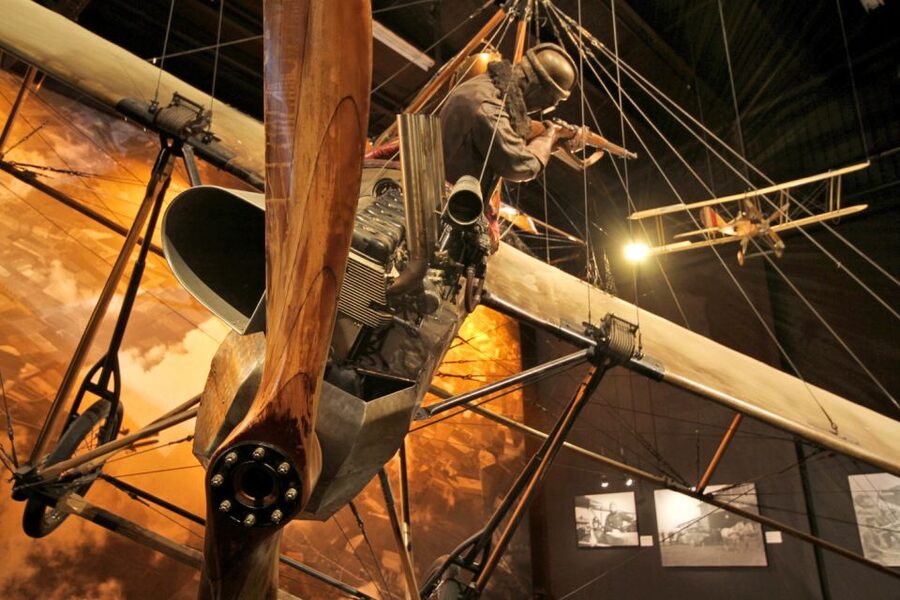
Aircraft stories with real WWII and WWI weight. In Blenheim, Omaka Aviation Heritage Centre turns military aviation into two walk-through exhibitions, starting with Sir Peter Jackson’s Knights of the Sky, where you’ll see WWI aircraft and artifacts. I love the way WingNut Films builds dramatic sets, with mannequins from Wētā Workshop, so the stories feel grounded and not like a random pile of planes.
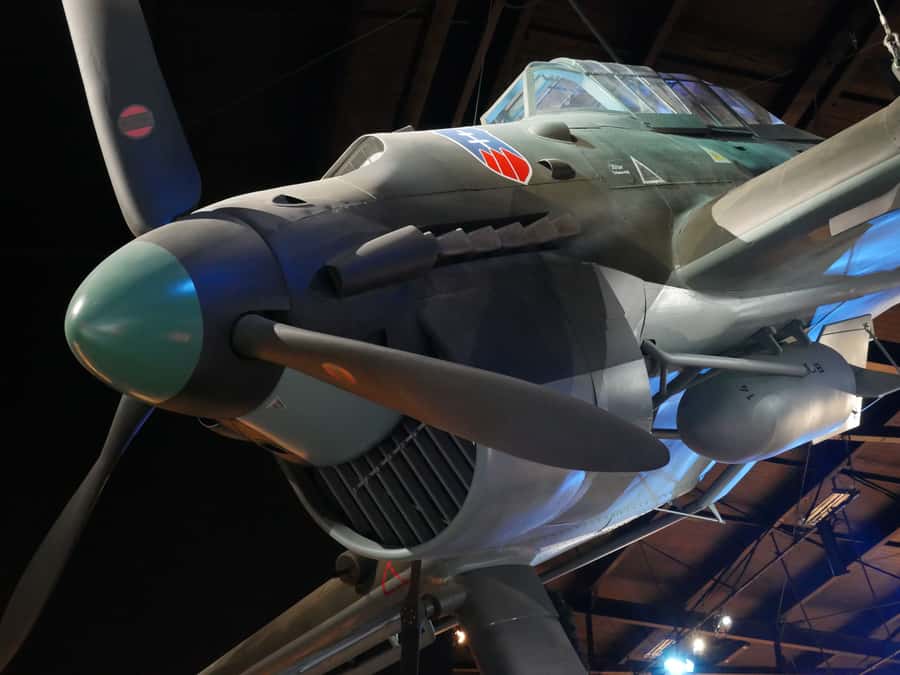
I’m equally taken by the WWII themed Dangerous Skies exhibit, where you’ll follow courage and tragedy across the British Isles, forests of Germany, defence of Russia, and the Pacific jungles, and you’ll spot an original DeHavilland Mosquito plus a Griffon-powered Mk.XIVe Spitfire. The only catch is choice and timing, since your ticket option is WWI, WWII, or both, and you can end up feeling squeezed if you arrive late.
In This Review
- Key things that make Omaka Aviation Heritage Centre worth your ticket
- Two world-class aviation exhibitions in one Blenheim ticket
- Morning plan: picking WWI, WWII, or both
- Knights of the Sky: WWI aircraft, Sir Peter Jackson’s collection, and WingNut Films sets
- What to watch for while you’re inside
- Dangerous Skies: WWII stories across theatres and the meaning of capability
- The two exhibition stars you’ll want to prioritize
- The Mosquito and Spitfire moments you should plan for
- What makes the memorabilia and artifacts feel special here
- How long it takes, and how to avoid feeling rushed
- Price and value: why $14 feels fair
- Who this ticket suits best (and who might skip it)
- Practical travel notes that help your day go smoother
- Should you book the Omaka Aviation Heritage Centre ticket?
- FAQ
- What does the Blenheim Omaka Aviation Heritage Centre ticket include?
- Can I choose between the WWI and WWII exhibitions?
- How long is the ticket valid for?
- Where do I exchange my voucher?
- What time is the last admission?
- Is the attraction open every day?
- What language is available?
- Is the venue wheelchair accessible?
- FAQ
- What is the cancellation policy?
- Can I reserve first and pay later?
Key things that make Omaka Aviation Heritage Centre worth your ticket
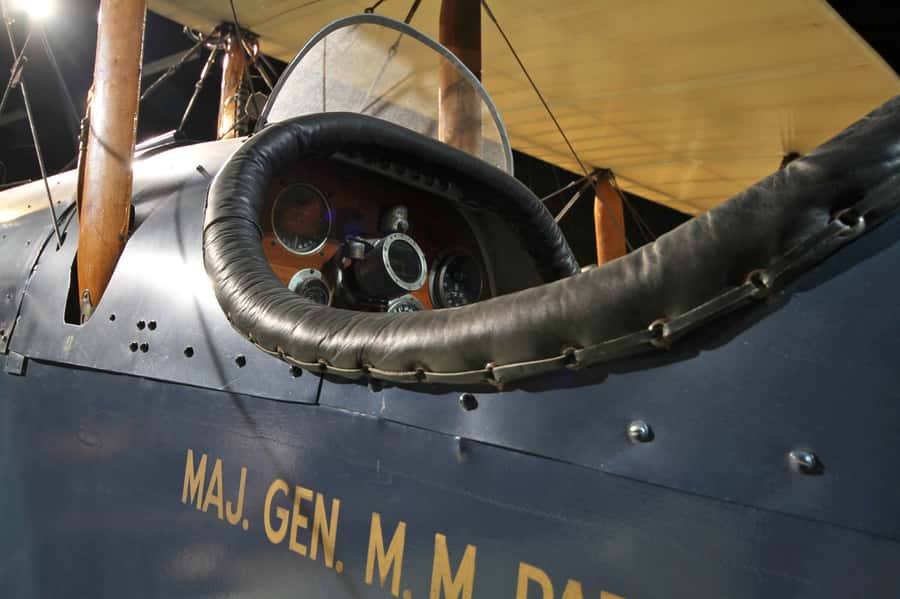
- Knights of the Sky brings WWI aircraft and artifacts into built sets, including mannequins by Wētā Workshop
- Sir Peter Jackson’s WWI aircraft collection adds star power, but the focus stays on the machines and the missions
- Dangerous Skies covers WWII across multiple theatres, not just one air battle
- You get rare memorabilia you can’t easily see elsewhere, including items only found at Omaka
- Two headline aircraft, the DeHavilland Mosquito and the Mk.XIVe Spitfire, give you a clear “what it could do” angle
- You can plan your day around your interest by choosing WWI, WWII, or both
Marlborough by the glass and by the boat
- Full Day Winemakers Tour in Marlborough
★ 5.0 · 285 reviews - Marlborough: Full-Day Self-Guided Biking Wine Tour
★ 4.7 · 221 reviews - Self-Guided Biking Wine Tour (full day) in the Marlborough Region.
★ 5.0 · 206 reviews - Marlborough Wine Tour – Afternoon of Cuisine & Wine 4hrs
★ 5.0 · 143 reviews
Two world-class aviation exhibitions in one Blenheim ticket
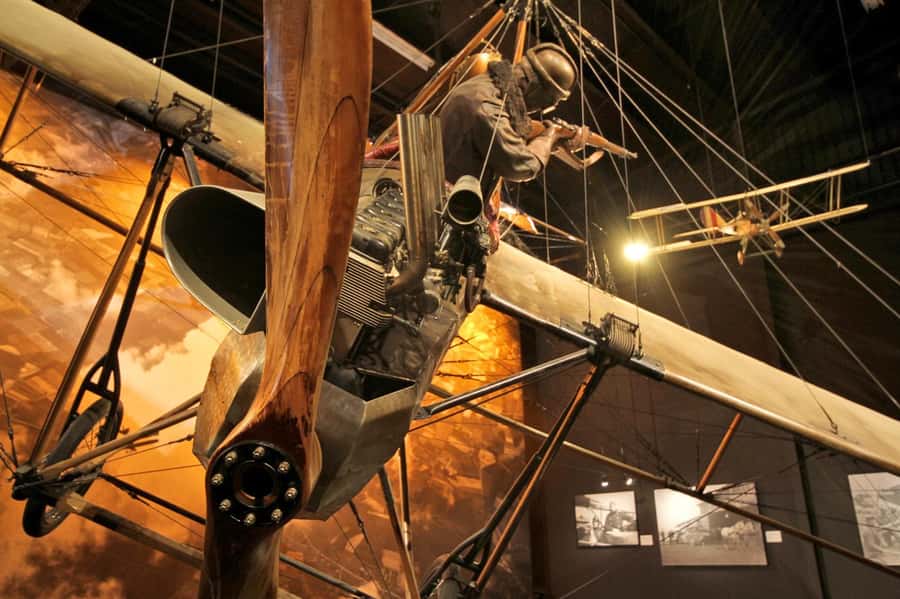
Omaka is one of those places where aviation history stops being “old stuff” and starts acting like a story you can walk through. With one admission, you can choose the WWI show, the WWII show, or both exhibitions if you’ve got the time and attention span.
What makes this ticket feel like good value is that it’s not only about aircraft shapes and model displays. You’re also shown why those planes mattered, what they could do in their war context, and how the people flying them lived with danger. For $14 per person, that combination of real aircraft, rare memorabilia, and carefully staged storytelling is exactly the kind of museum experience you remember later, not just the one you scroll past.
Morning plan: picking WWI, WWII, or both
You’ll exchange your voucher at the ticket counter, then decide how you want to spend your one day at Omaka. The center gives you that flexibility because your admission is option-based: WWI exhibition, WWII exhibition, or both.
If you’re the type who likes learning a system first, then the human story, start with WWI. The Knights of the Sky exhibition is built around the development of aviation during the Great War, so it gives you a useful baseline for how air warfare grew over time. If your brain is wired for WWII air campaigns and specific aircraft in action, the Dangerous Skies exhibition may be the better starting point.
If you can do both, plan it like a mini two-part day. Give yourself time to pause, look closely at the artifacts, and read enough to connect the aircraft to the mission. Flying through it fast turns a strong museum into a checklist. Slow down a bit and you’ll get more meaning from what you see.
Knights of the Sky: WWI aircraft, Sir Peter Jackson’s collection, and WingNut Films sets
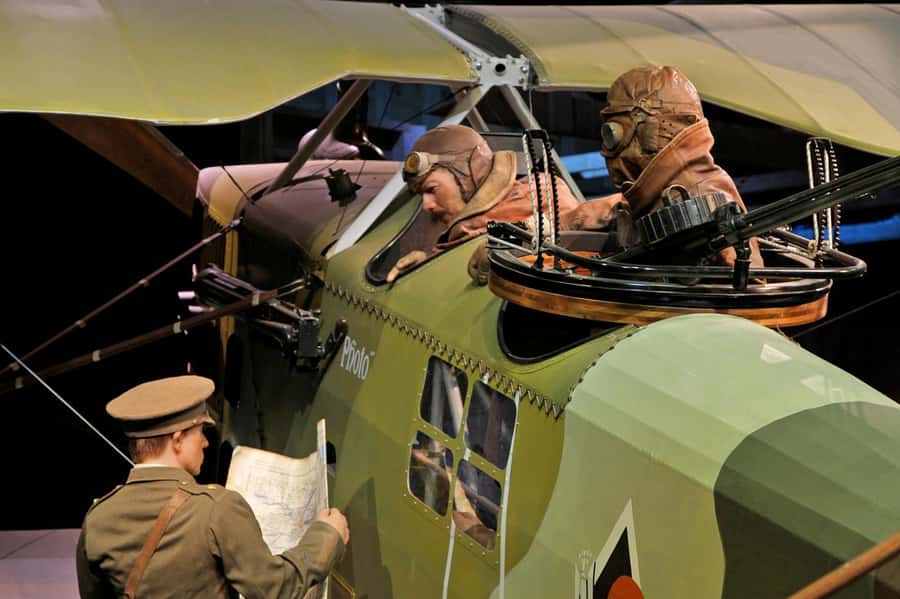
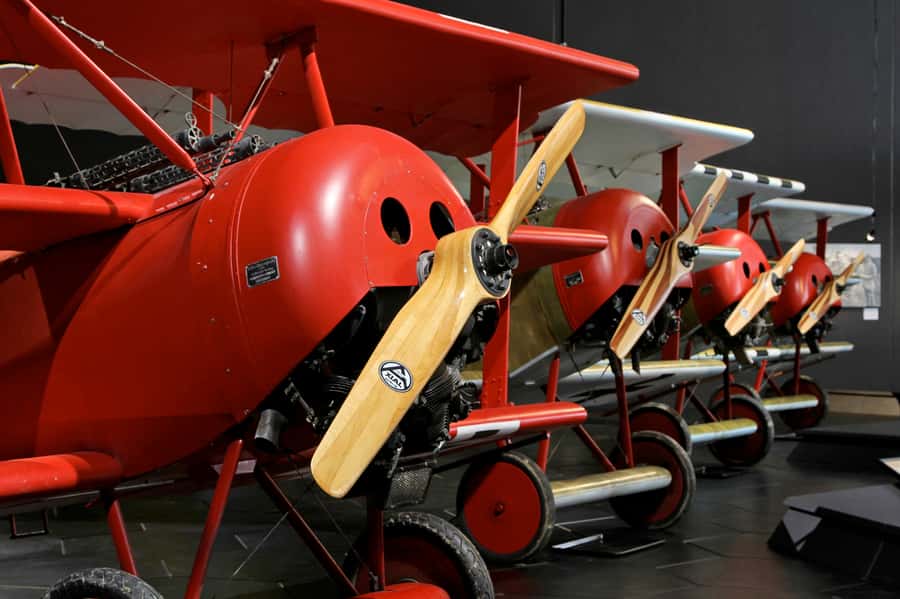
The Knights of the Sky exhibition is centered on WWI aviation development, and it’s designed to be more than a static aircraft hangar experience. You’re looking at Sir Peter Jackson’s WWI aircraft and artifacts collection, and the displays aim to tell you what changed as aviation technology and tactics evolved.
Here’s what I like about the way this exhibition is structured. It doesn’t treat aircraft as museum objects separated from their purpose. Instead, you see them as tools inside a larger story of war and innovation. That matters, because WWI aircraft are early in their development and easy to dismiss as “primitive” if you only glance at them.
The sets are a key part of the experience. WingNut Films creates sensational, scene-like environments, and the mannequins are by Wētā Workshop. Even if you’re not big on special effects in museums, this choice helps you place what you’re seeing into lived moments. It’s easier to imagine what it felt like to be around these machines when the exhibition gives you that visual context instead of only labels.
What to watch for while you’re inside
- How aviation changed in the Great War, not just which planes existed
- How artifacts are presented so they connect to real roles in air warfare
- Moments where the exhibition helps you understand capability in context, not in isolation
If you only have time for one exhibition, Knights of the Sky is often the best way to get the “why aviation developed this way” feeling.





Dangerous Skies: WWII stories across theatres and the meaning of capability
Dangerous Skies shifts the focus to WWII, and it does it with a storytelling approach that covers multiple regions and war theatres. You don’t just get a single country, a single battle, or a single airfield theme. The exhibition brings in the British Isles, the forests of Germany, the defence of Russia, and the steaming hot jungles of the Pacific.
That breadth is part of the value. WWII aviation is often remembered through big names and iconic aircraft, but the lived reality was shaped by geography, weather, distance, and mission type. By moving across theatres, the exhibition helps you see how the same idea of air power changes depending on where you are and what you’re trying to accomplish.
You also get insight into courage and tragedy from multiple perspectives. It’s not only about success. The exhibition’s stories are built to show risk and loss as part of the mission reality, which makes the aircraft feel more serious than just “cool machines.”
The two exhibition stars you’ll want to prioritize
Within Dangerous Skies, the two star attractions are the ones you should aim to see with your full attention:
- An original DeHavilland Mosquito
- A Griffon-powered Mk.XIVe Spitfire
If you’re the kind of person who loves aircraft specs, you’ll still get something useful here because the exhibition ties capability to what war required. The point is not to turn your visit into a technical lecture, but you’ll walk out with a better sense of what made these planes important in their moment.
The Mosquito and Spitfire moments you should plan for
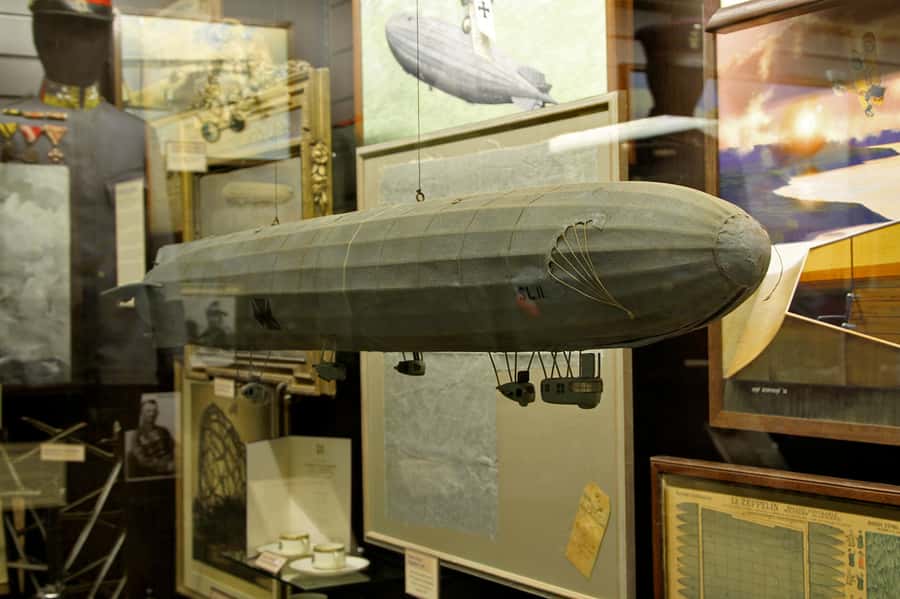
It’s easy in aviation museums to get distracted by the overall collection. Omaka nudges you toward two specific aircraft as anchors for understanding WWII air capability.
The original DeHavilland Mosquito is worth your time because it’s a real, historic piece, not a stand-in. Seeing the aircraft in the exhibition’s war context helps you connect the machine to the kind of missions it was known for, even if you just approach it through visuals and story panels.
Then there’s the Griffon-powered Mk.XIVe Spitfire. This is one of those aircraft that already has a big reputation, so the trick is to see it in a way that goes beyond nostalgia. At Omaka, the exhibition frames it around capability and the war environment. That turns your attention from “wow, it’s a Spitfire” to “okay, what did this version enable, and why did it matter?”
If you do both exhibitions, keep this in mind. Let WWII be the aircraft-focused chapter of your day, after you’ve already understood WWI’s development story. That sequencing makes the overall arc of aviation history feel clearer.
What makes the memorabilia and artifacts feel special here
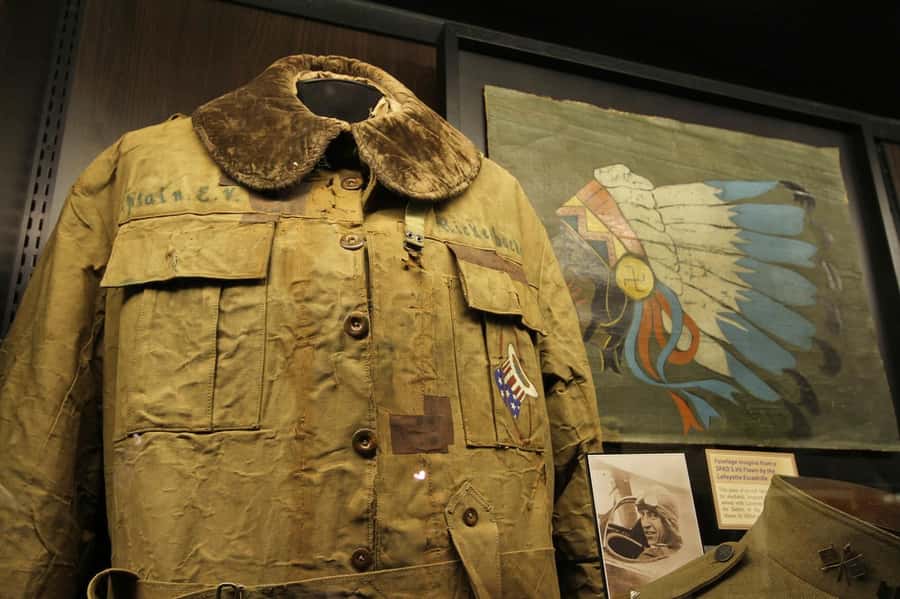
A strong aviation center should do more than show hardware. Omaka leans into rare items, including memorabilia only found at Omaka.
That matters for two reasons. First, unique artifacts reduce the chance you’ll feel like you’ve seen the same exhibits elsewhere. Second, rare items can add specificity. Instead of broad, generalized war stories, you get the sense that these are actual survivals from the era, saved and presented with care.
In a museum setting, that kind of uniqueness tends to create better recall. You don’t just remember “planes were cool.” You remember that you saw something you can’t easily replicate elsewhere.
How long it takes, and how to avoid feeling rushed
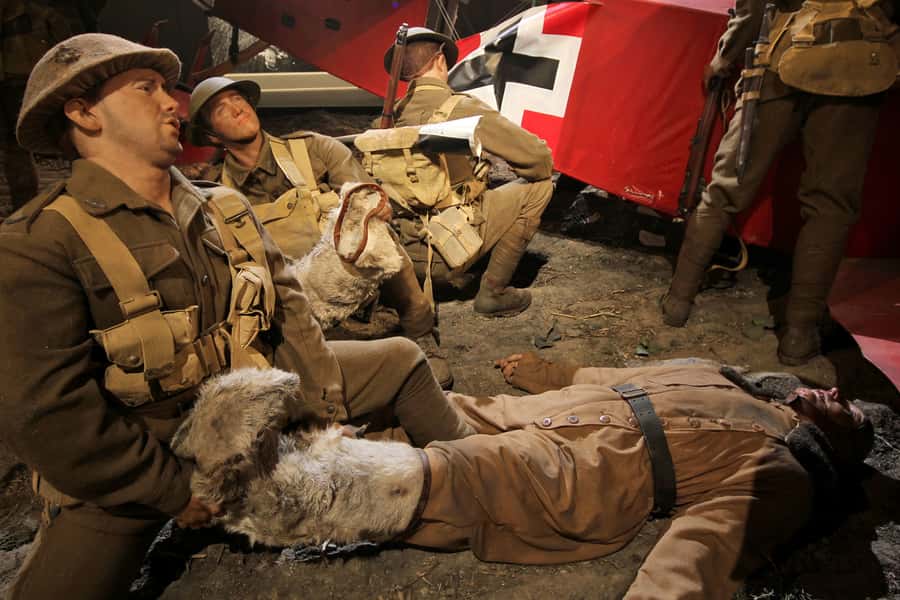
The ticket is valid for 1 day, and the center is open 7 days a week starting at 9 am. Last admission is one hour before closing, so plan your arrival accordingly.
If you’re doing both exhibitions, I’d treat your visit as two mini sessions. Give yourself time to move through Knights of the Sky at a comfortable pace, then switch gears for Dangerous Skies. The themes are related, but the emotional tone and technical context shift.
A practical tip: don’t try to read everything at full speed. Instead, pick moments that interest you. If you care about aviation development, slow down in the WWI exhibition. If you care about aircraft capability in war theatres, focus on the Mosquito and Spitfire moments in the WWII exhibition, plus the regional story sections around them.
Price and value: why $14 feels fair
At $14 per person, Omaka is priced like a museum experience that wants to reach more than aviation obsessives. For that money, you get admission to one or both major exhibitions, and you’re not just paying to walk past planes. You’re paying for built storytelling, rare memorabilia, and two exhibitions designed around how aviation evolved and how it was used.
Value is mostly about match. If you enjoy military aviation history, or you like museums that make you think instead of only point and shoot photos, this ticket is a strong deal. If you only want the absolute biggest names and don’t care about the story context, you might feel like you’re spending time on reading and scenes. But for most people who enjoy history with atmosphere, it hits the sweet spot.
Who this ticket suits best (and who might skip it)
This is a great fit for:
- People who want both WWI and WWII aviation history without booking a separate tour
- Museum visitors who like interpretation, not just displays
- Aviation fans who want real aircraft and rare memorabilia presented in story form
- Families and curious learners, because the center is wheelchair accessible and the exhibitions are designed to be understandable
It may be less ideal if:
- You only have a few minutes and want to rush through
- Your interest is strictly aircraft viewing with no interest in the war context
- You dislike exhibitions that use built scenes and staged storytelling elements
Even then, you’ll likely find at least one aircraft moment worth the price, especially if you’re drawn to the Mosquito or the Mk.XIVe Spitfire.
Practical travel notes that help your day go smoother
- Plan for English interpretation from the host or greeter at the ticket counter.
- Choose your exhibition option based on what you actually want to learn that day, WWI development or WWII theatres, because you’re paying for entry into one or both.
- If you’re visiting during a busy period, start close to opening. You’ll feel less pressure from the last admission rule one hour before closing.
If you’re doing this while road-tripping in the South Island, Omaka is the kind of stop that gives you a clear payoff. You don’t need to be an aviation expert. You just need time and curiosity.
Should you book the Omaka Aviation Heritage Centre ticket?
I think you should book if you want a museum that teaches you how aircraft capability connects to real missions and real people. Knights of the Sky delivers the WWI development story with Sir Peter Jackson’s collection and sets created by WingNut Films, plus Wētā Workshop mannequins. Dangerous Skies follows with WWII stories across several theatres and highlights an original DeHavilland Mosquito and a Griffon-powered Mk.XIVe Spitfire.
Book if you’re the type who enjoys reading, looking closely, and letting a museum build an emotional and historical arc. Skip only if you dislike context, or you simply do not have time to do at least one full exhibition properly.
FAQ
What does the Blenheim Omaka Aviation Heritage Centre ticket include?
The ticket includes admission to the WWI exhibition, the WWII exhibition, or both, depending on the option you select.
Can I choose between the WWI and WWII exhibitions?
Yes. You can select admission to the WWI exhibition, the WWII exhibition, or both.
How long is the ticket valid for?
The ticket is valid for 1 day.
Where do I exchange my voucher?
Please exchange your voucher at the ticket counter.
What time is the last admission?
Last admission is one hour before closing.
Is the attraction open every day?
Yes. The Omaka Aviation Heritage Centre is open 7 days a week from 9 am.
What language is available?
English.
Is the venue wheelchair accessible?
Yes, the venue is wheelchair accessible.
FAQ
What is the cancellation policy?
Free cancellation is available up to 24 hours in advance for a full refund.
Can I reserve first and pay later?
Yes. The option is reserve now and pay later, so you can book your spot and pay nothing today.
Everything Else We Wrote Up in Blenheim






Marlborough by Glass and by Boat

Just added to our Blenheim notes
- Progressive Wine & Gourmet Trail from Blenheim or Picton★ 4.8 · 6 reviews
- Private Driving Wine Tour (full day) in the Marlborough Region★ 5.0 · 7 reviews
- Marlborough: Half Day Blenheim Wine Tour – Eating & Sipping★ 4.1 · 7 reviews
- Picton & Blenheim Scenic Tour★ 5.0 · 9 reviews
- Full-Day Wine Gourmet and Scenic Delight Tour of Marlborough from Picton★ 5.0 · 9 reviews
- Marlborough Classic Wine Tasting Tour.★ 5.0 · 15 reviews
Marlborough Wine and the Sounds, compared.
 ★ 4.7Queen Charlotte Sound Mail Boat Cruise from PictonFrom $75541 reviews
 ★ 5.0Beyond the Vines – Full-Day Marlborough Wine Tasting TourFrom $136438 reviews
 ★ 4.0InterIslander Ferry – Wellington to PictonFrom $58417 reviews
 ★ 4.8Queen Charlotte Track: Cruise & Self-Guided Hike from PictonFrom $66383 reviews
 ★ 4.5Coastal Pacific Train Journey from Picton to ChristchurchFrom $164345 reviews
 ★ 4.5Queen Charlotte Sound Mail Boat CruiseFrom $75295 reviews
 ★ 5.0Full Day Winemakers Tour in MarlboroughFrom $133285 reviews
 ★ 4.2Marlborough Sounds and Ship Cove Cruise from PictonFrom $66252 reviews
Browse the lists this tour appears in