
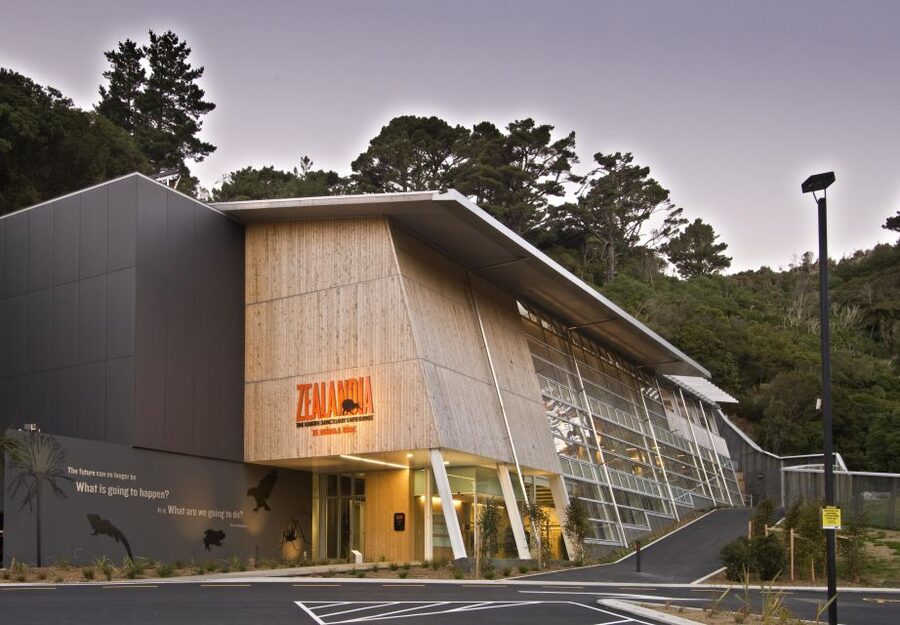
REVIEW · WELLINGTON TOURS AND ATTRACTIONS
Zealandia Twilight Ecosanctuary Tour
Dusk in Wellington turns into a nature show. This Zealandia Twilight Ecosanctuary Tour takes you into Te Māra a Tāne as daylight fades, so you can watch the sanctuary switch from day birds to night birds. I really like that it includes a smart interactive exhibition first, then moves you into the fenced valley for guided spotting in real habitat. My second favorite part is the chance to hear and see species that only feel real when you are there at dusk. One thing to consider: kiwi and other nocturnal animals are never guaranteed, and the tour runs only in summer with start times tied to sunset.
You get a tight 2.5 hours that feels full, not rushed, especially because your guide is actively listening for clues. In the best reports, guides such as Will and Mat and their spotting helpers were the difference between only hearing sounds and actually spotting animals like kiwi. If you are sensitive to respiratory triggers or need wheelchair access, this specific twilight format is not designed for it.
In This Review
- Key highlights at a glance
- Twilight at Te Māra a Tāne, 10 minutes from Wellington
- What a 2.5-hour Zealandia twilight tour feels like
- The interactive exhibition, before you step into the dark
- Walking the sanctuary valley as the sky changes
- Wildlife you can hope to see, with kiwi and ruru as the stars
- Guides, pacing, and why the tour feels better than a self-guided visit
- Price and value: is $64 for 2.5 hours a smart buy?
- Practical rules that affect your photos, shoes, and patience
- Best timing in summer, and a small schedule warning
- Who should book, and who should skip this twilight format
- Should you book the Zealandia Twilight Ecosanctuary Tour?
- FAQ
- How long is the Zealandia Twilight Ecosanctuary Tour?
- Where do I meet for the tour?
- What is included in the price?
- What should I bring, and what should I wear?
- Is there a minimum age?
- Are flash photos allowed?
- Is transportation included?
Key highlights at a glance
- A dusk schedule that matters: the sanctuary changes as evening arrives, and your guide builds the experience around that shift
- Interactive exhibition before the walk: a state-of-the-art intro sets context before you step into the valley
- Real urban eco-sanctuary setting: fully fenced, about 10 minutes from Wellington central
- Guides who help you notice wildlife: people cited quick spotting and strong wildlife reading at night
- Potential kiwi and ruru sounds: you may hear nocturnal calls, and you might even see kiwi
- Plan for the weather and the rules: comfortable shoes, warm layers, and no flash photography
The capital keeps going, see these too
- Wellington: Wētā Workshop Guided Tour Ticket
★ 4.7 · 997 reviews - Wētā Workshop Experiences Tour – Wellington
★ 5.0 · 875 reviews - Wellington: Return Cable Car Ticket
★ 4.6 · 714 reviews - Half Day Tour of Wellington
★ 4.5 · 638 reviews
Twilight at Te Māra a Tāne, 10 minutes from Wellington
Zealandia, also known as Te Māra a Tāne, is a fully fenced eco-sanctuary in the middle of the city orbit. The big idea here is simple: create safe habitat for native species, then let you experience it after work, not just on a sunny afternoon. Even though it is close to Wellington central, the sanctuary feels like a different world once twilight lands.
The timing is the whole point. This tour runs in the evening, and you start when sunset lines up with the summer schedule. That matters because many of the animals you came for are most active around dusk and after, when daytime bird activity drops and nocturnal calls begin.
I also like the practical rhythm of doing this tour near the city. You can pair it with dinner plans in Wellington, rather than treating it like a whole day excursion. Just keep in mind you are walking in the sanctuary, so your clothes need to handle cooler air and possible wet ground.
What a 2.5-hour Zealandia twilight tour feels like
Your tour lasts about 2.5 hours, and it is guided throughout. That is long enough to get real changes in the sanctuary atmosphere, but short enough that it stays manageable, even if your day has been packed.
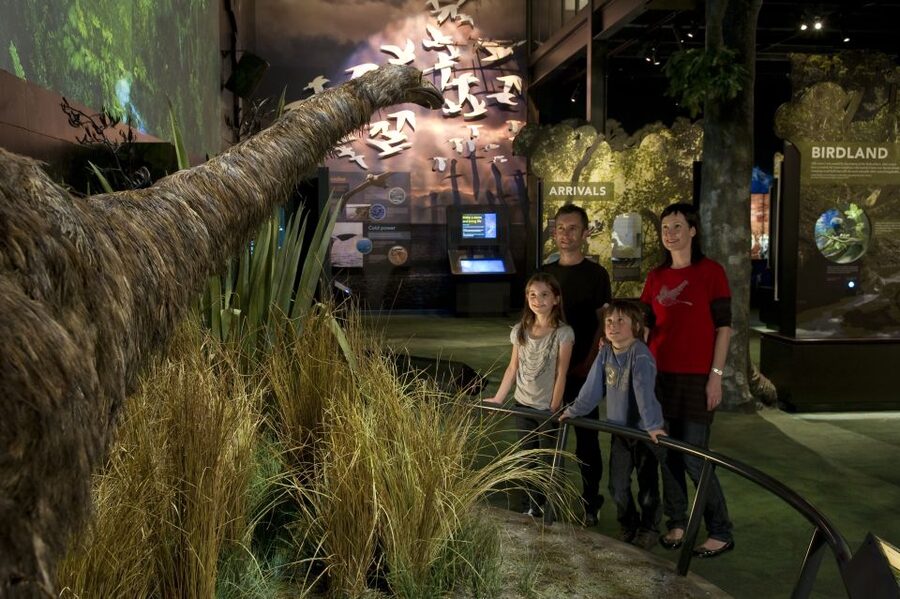
You start with the interactive exhibition inside Zealandia. This is not just a “stand and read” setup. The facility is designed to teach you what makes the rewilding story work, and it gives you a framework so the valley walk is not random animal spotting. After you get the basics, you head into the sanctuary valley with your guide.
As you walk, you are meant to notice the sanctuary as it transitions. One guide-led focus is the way birds return to their nests and settle as evening progresses. Another focus is the soundscape: the calls you hear shift from day birds to night birds. This is where the twilight timing starts paying off, because the audio cues help you spot what your eyes might miss.
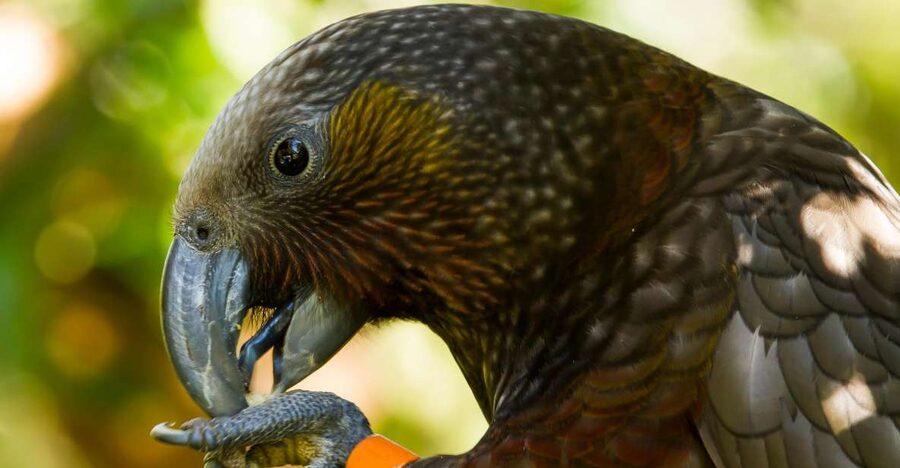
If you get lucky, you can also hear or see nocturnal species waking up. The experience description specifically mentions possible first sounds of kiwi and ruru (morepork). In the strongest reports I have seen, people did not just hear kiwi, they saw multiple kiwi birds, including a case where one moved right through the group during the tour.
The interactive exhibition, before you step into the dark
The exhibition is your warm-up act. It helps you understand why Zealandia is so important in a place like New Zealand, and why the sanctuary is fenced and managed. If you only show up for wildlife spotting at night, you miss a big part of why these animals are there and why they can survive in this protected setting.
It is also a morale boost at the start. After you learn what you are looking for, you become more patient when things do not happen instantly. Instead of thinking, are we there yet, you start listening and scanning with purpose.
In multiple strong experiences, guides were praised for how they explain what you are seeing. People reported that the tour included clear facts about endemic species and the history of Zealandia, without turning into a lecture that kills the mood. That balance is key because twilight is when you want your attention to be on cues like movement, calls, and the timing of animal activity.
Walking the sanctuary valley as the sky changes
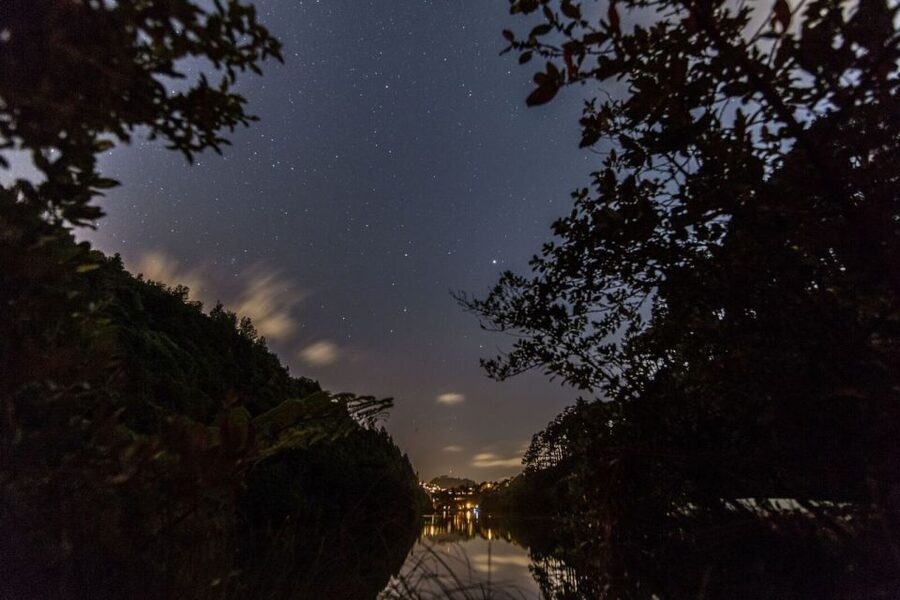
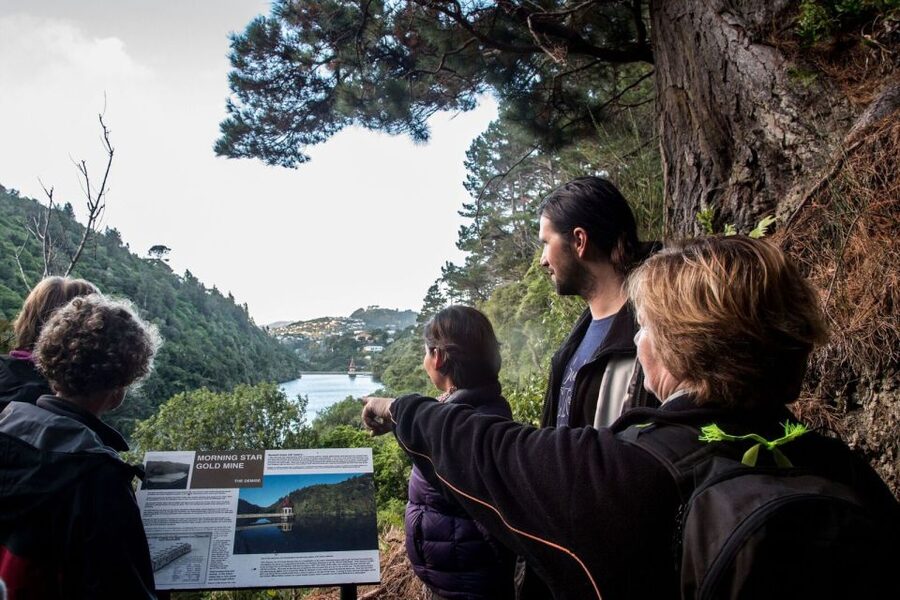
Once you leave the exhibition, you go through the sanctuary valley on a guided route. Here, the tour shifts from learning to experience. You are walking in a controlled, fenced environment that is set up for native species survival, but the animals still follow their own schedules.
A major part of the walk is watching the sanctuary settle. You get the sense of a living place that is moving toward night, not just an attraction. Birds return to nests, the light drops, and the sounds begin to change in a way you can actually notice on your own.
Your guide helps you connect those dots. In reports, a guide plus an assistant or helper worked like a small search team, with someone going ahead to spot wildlife while the main guide kept the group together. That detail sounds small, but it often determines whether you see something rare during the few minutes it is actually visible.
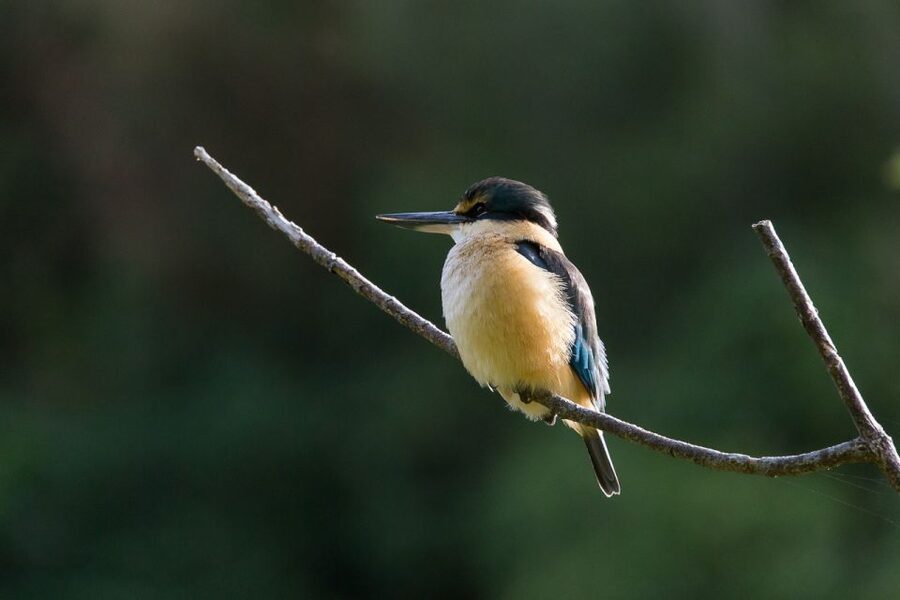
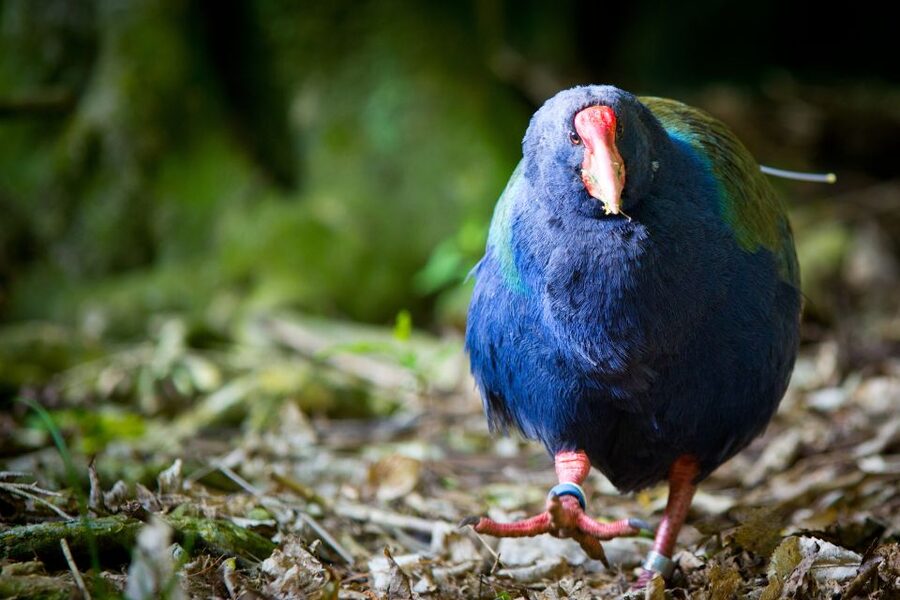
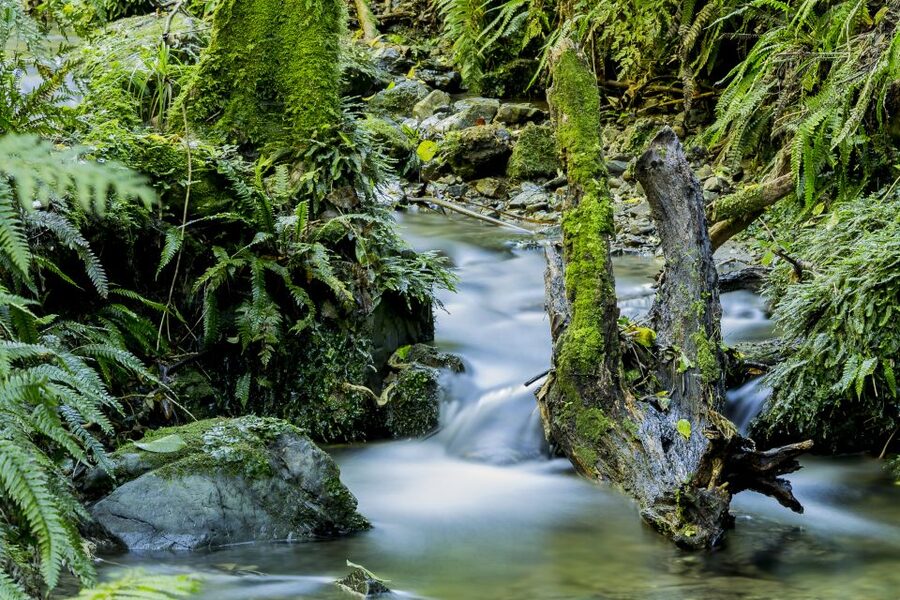
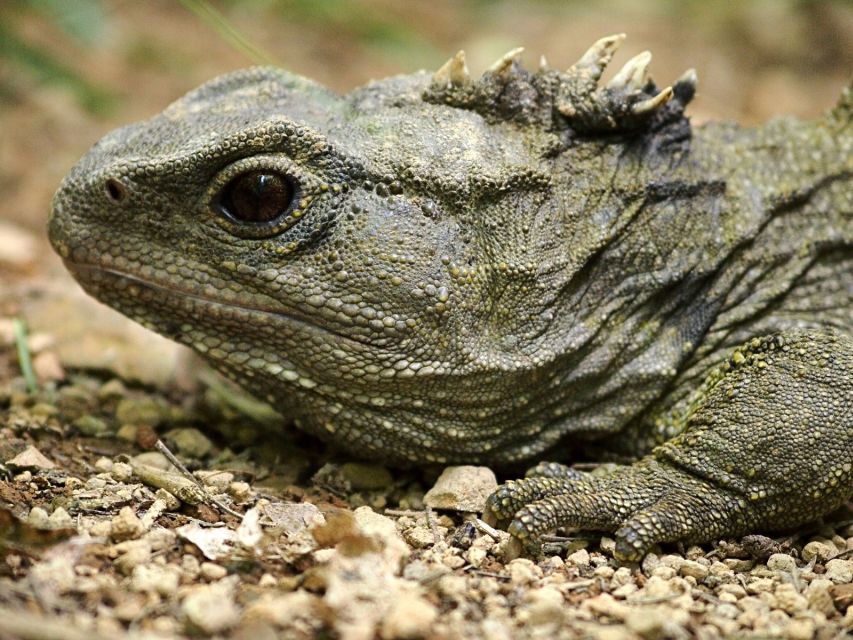
Expect to encounter unique native species such as wētā, takahē, tuatara, and more, depending on the night. Even if you do not see everything, the tour is built around teaching you how to read the environment as dusk arrives.
Wildlife you can hope to see, with kiwi and ruru as the stars
Let’s talk straight about wildlife expectations. This is a wildlife tour, but it is not a guaranteed wildlife delivery. The nocturnal species you want to see are active on their own schedule, and weather and timing matter.
That said, the reports are strong. People highlighted kiwi as the big moment, and more than one experience described seeing kiwi during the tour. One account described three kiwi birds, with one walking right through the tour group. That is the kind of moment you remember for years, mostly because it feels calm and real, not staged.
Hamilton frog also showed up as a highlight in one strong experience. That is a reminder that you are not only hunting for the famous birds. The sanctuary supports a range of native species, and twilight can make small creatures and subtle movement more noticeable.
Even when sighting is limited, sound can still be the win. The tour description says you may hear the first sounds of kiwi and ruru as they wake. Several people praised the way the guides handled changing calls from day to night, which can still feel magical even without a perfect photo moment.
Guides, pacing, and why the tour feels better than a self-guided visit
This tour is priced as a guided experience, and the guidance is part of the value. A strong pattern in the reviews is guide talent, not just luck. People praised guides for being informative and attentive, with English support that worked well for visitors who were not native English speakers.
Named guides such as Will and Mat were specifically mentioned. Will was described as excellent, including teamwork where a helper went ahead to spot wildlife. Mat was described as informative and considerate with communication.
That matters because dusk is not the easiest time to spot animals. Light is dropping, movement is subtle, and sounds can come from unexpected directions. A good guide does not only point. They help you know what to listen for, when to stop, and where your attention should go so you are not walking around hunting like a tourist with a flashlight.
Pacing is also part of the experience. The tour is 2.5 hours, and the flow from exhibition to valley is designed to keep you engaged. You start with context, then you use that context to interpret what you notice at night.
Price and value: is $64 for 2.5 hours a smart buy?
At $64 per person for about 2.5 hours, this is not the cheapest activity in Wellington. But it can be good value because you get two things at once: entry plus a guided twilight program focused on real seasonal animal activity.
If you compare it to doing Zealandia on your own, the guide can justify the cost quickly. Twilight is when an intro alone is not enough. You need help reading the sanctuary as it changes. When the guide also helps with wildlife spotting, the tour stops feeling like an entry ticket and starts feeling like access to the place at the right moment.
Also, the setting is close to the city. You are spending 2.5 hours on a high-value experience rather than losing time to long transport. Transportation is not included, but if you are already near Wellington or planning dinner afterward, that makes logistics easier.
My take: if kiwi is a priority, this is one of the better ways to increase your odds because the tour is timed for nocturnal activity. If you are only interested in daytime wildlife, you might consider a daytime option instead. Twilight is where the story is.
Practical rules that affect your photos, shoes, and patience
Zealandia makes a few rules clear for the experience. Flash photography is not allowed. That is a smart conservation choice, and it also makes sense for wildlife behavior. It can feel odd at first if you are used to taking lots of photos, but it also helps you see with your eyes instead of blasting light.
High-heeled shoes are not allowed either. That rule sounds minor, but it matters because you are walking on paths in low light. Comfortable shoes are the practical way to keep the experience enjoyable.
Packing advice is straightforward. Bring comfortable walking shoes, weather-appropriate clothing, and a warm layer. The guidance also recommends a waterproof layer in case. Twilight can get cool fast, and even a small dampness makes for unpleasant footing if you show up unprepared.
There is also an age minimum. The minimum age is 5 years old, which keeps the tour format suited to listening and walking without overstimulating younger kids.
Best timing in summer, and a small schedule warning
This tour is available seasonally in the summer months. Start times vary depending on sunset. That means you cannot treat your day like a fixed clock. You need flexibility.
One important schedule consideration is about how Zealandia access works if you are at the sanctuary earlier. If you go during the day, you might not be allowed to stay in the sanctuary during the window leading up to your twilight tour time. In one experience, this timing rule caused disappointment because nobody flagged it when the person contacted the site earlier. So if you plan to visit earlier the same day, build in a clear plan for what you will do between daytime exploring and your evening start.
My tip: think of this as one linked experience, not two separate ones happening back-to-back with no gaps. Plan a short break outside the sanctuary area, then come back prepared for the walk when your time starts.
Who should book, and who should skip this twilight format
This tour is a strong match if you want native species in a real habitat and you enjoy listening as much as looking. It is also a great length for adults and kids 5 and up who can handle a guided walk.
It is less suitable for some needs. The tour is not suitable for people with mobility impairments, wheelchair users, and people with respiratory issues. The rules around footwear also suggest you should be comfortable walking on paths in dusk conditions.
If you are worried about seeing kiwi, you should still book with realistic expectations. Kiwi may not be guaranteed. But the tour is designed so that even the act of hearing day-to-night changes is a meaningful payoff.
This is also a good choice if you like conservation stories you can actually see. Zealandia is an urban eco-sanctuary, so you get the lesson that rewilding is possible close to people, not just in faraway wilderness.
Should you book the Zealandia Twilight Ecosanctuary Tour?
Book it if you want twilight-native wildlife energy without needing a full day. The 2.5-hour length is practical, and the sequence from the interactive exhibition to the guided valley walk gives you both context and atmosphere.
I would especially book if kiwi is on your personal wishlist, because the tour is timed for nocturnal activity and the guides have shown strong spotting skills in multiple experiences. Even if you miss kiwi, the changing calls and dusk transition are part of what you came for.
Skip or rethink it if you need wheelchair access, have respiratory issues, or you want a fully daytime experience. This tour is built for evening conditions and careful conservation rules, like no flash.
If you can handle cool, bring warm layers, and show up with patience, this is the kind of Wellington experience that makes the city feel surprising in the best way.
FAQ
How long is the Zealandia Twilight Ecosanctuary Tour?
It runs for about 2.5 hours.
Where do I meet for the tour?
The meeting point is 53 Waiapu Rd, Karori, Wellington 6012, New Zealand.
What is included in the price?
You get an entry ticket plus a guided twilight tour.
What should I bring, and what should I wear?
Bring comfortable shoes and weather-appropriate clothing. It is also smart to pack a warm layer and a waterproof layer just in case.
Is there a minimum age?
Yes. The minimum age for this tour is 5 years old.
Are flash photos allowed?
No. Flash photography is not allowed.
Is transportation included?
No. Transportation is not included, so you will need to arrange your own way to the meeting point.
The Wider Wellington Shortlist


Everything Else We Wrote Up in Wellington
The Capital, Continued
Just added to our Wellington notes
- Wellington Zoo General Entry Tickets★ 3.9 · 7 reviews
- Wellington Full Day Private Tour in Electric Tesla SUV★ 5.0 · 7 reviews
- Private Martinborough Wine Tour in an Electric Vehicle – Tesla Model Y★ 5.0 · 7 reviews
- Martinborough Chefs shared wine tour ŵ lunch from Wellington★ 4.5 · 7 reviews
- Easy Rider Two-Hour Wellington eBike Tour★ 5.0 · 7 reviews
- A Taste of Kapiti – Kapiti Foodie Delights Tour★ 5.0 · 7 reviews
Wellington Tours and Attractions, compared.
 ★ 4.7Wellington: Wētā Workshop Guided Tour TicketFrom $35997 reviews
 ★ 5.0Wētā Workshop Experiences Tour – WellingtonFrom $36875 reviews
 ★ 4.6Wellington: Return Cable Car TicketFrom $7714 reviews
 ★ 4.5Half Day Tour of WellingtonFrom $79638 reviews
 ★ 4.8Wellington: Guided City Tour with Cable Car TicketFrom $53553 reviews
 ★ 5.0Wellington’s Original LOTR Experience – includes Weta and LunchFrom $201529 reviews
 ★ 5.0Kapiti Island Classic Guided Day TourFrom $191522 reviews
 ★ 4.0Northern Explorer Train Journey from Wellington to AucklandFrom $157513 reviews
Browse the lists this tour appears in