
REVIEW · CHRISTCHURCH TOURS AND ATTRACTIONS
Willowbank Wildlife Reserve Day Entry
Kiwi is only a short walk away. Willowbank Wildlife Reserve is a hands-on day out that mixes native and non-native animals in a format that is easy to fit into a Christchurch stop, with guaranteed kiwi viewing in the kiwi house.
I especially like that it is close to Christchurch airport, so you can keep your travel day smooth. I also appreciate the simple day-entry setup, where you can arrive at any time that works for your schedule.
One consideration: the kiwi experience is in a dark, nocturnal-style enclosure, so you will need a little patience while your eyes adjust and you listen for what staff point out.
In This Review
- Key points before you go
- Entering Willowbank: A simple day entry near Christchurch airport
- The kiwi house promise: how to actually see kiwi
- Walking the reserve: what your 1 to 3 hours feels like
- Stop at the animals: introduced species, plus a farm you can actually meet
- Native New Zealand favorites: kea, kaka, takahe, tuatara, and kiwi
- Feeding and animal etiquette: what to expect when animals learn your routine
- Café and retail: plan your snack stop, because food is not included
- Price and value: is $22.65 worth it?
- Practical tips for a smoother visit
- Who should book Willowbank Wildlife Reserve day entry
- Should you book Willowbank Wildlife Reserve day entry?
- FAQ
- How long does Willowbank Wildlife Reserve day entry take?
- Is kiwi viewing guaranteed?
- Can I use a mobile ticket or do I need paper?
- What animals can I see at Willowbank?
- Is food included with the ticket?
- What is the cancellation policy?
Key points before you go
- Guaranteed kiwi viewing in the kiwi house
- Mobile or paper tickets, so entry is easy to manage
- A hands-on reserve where you can feed and pat many animals
- Native highlights like kea, kaka, takahe, tuatara, plus kiwi
- A mix of introduced and farm animals for a full, kid-friendly route
- About 1 to 3 hours on site, which is great for a tight itinerary
Around Christchurch, a few more we rate
- Christchurch Hop-On Hop-Off Tram
★ 4.5 · 841 reviews - Christchurch Gondola and Tram City Tour Combo
★ 4.5 · 725 reviews - Christchurch: Hop-On Hop-Off Tour by Vintage Tram
★ 4.6 · 717 reviews - Christchurch: Tram, Punt and Gondola Ride Combo Ticket
★ 4.7 · 608 reviews
Entering Willowbank: A simple day entry near Christchurch airport
Willowbank Wildlife Reserve is the kind of place that saves you effort. It sits near Christchurch airport, which makes it a practical choice when you want wildlife without planning a long day trip. Since it is a day-entry ticket, you are not forced into a strict tour timetable. You can plan your arrival around your other activities, rather than the other way around you.
The ticket system is also low drama. You can use a mobile ticket or choose a paper ticket option, and you get confirmation at booking time. That matters on travel days when phones die, bags get scrambled, or you just want to get through the entry process fast.
The reserve is set up to handle a good number of visitors (up to 200), but the experience still feels walk-through friendly. In practical terms, that means you likely will not feel trapped in a giant cattle-line tour. You should expect to share paths with other people, but the layout is designed for you to move at your own pace.
The kiwi house promise: how to actually see kiwi
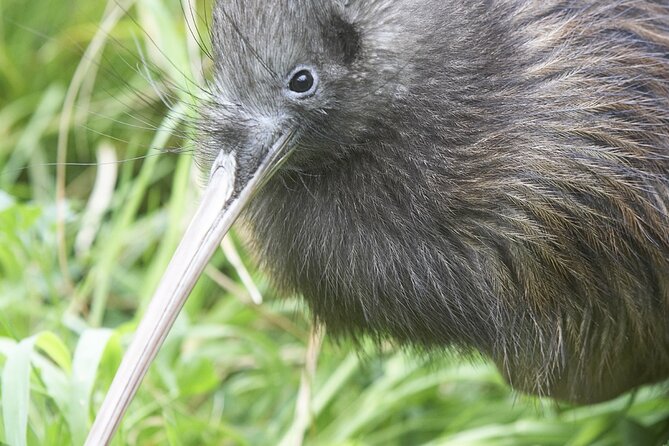
The big headline here is the guaranteed kiwi viewing in the kiwi house. That is rare for wildlife parks, and it is exactly why I think this makes sense for first-timers who do not want to gamble on luck.
The key detail is that kiwi are nocturnal, so the kiwi house is dark and set up like a simulated nighttime environment. If you rush through, you can miss the moment. What works best is to slow down near the viewing areas and give your eyes time to adjust to the low light. Keep your voice down, stand still, and watch the fence line calmly.
One useful tip from real-world experience: if you do not spot the bird right away, asking staff for help or following what they point out can make a big difference. The enclosure experience rewards patience. Even when a kiwi is visible, it can be asleep or quiet at first, then suddenly active.
If you struggle with darkness, consider planning your visit earlier in the day for the rest of the reserve, then treat the kiwi house like a separate, slow mini-challenge. Think of it as your final stop, not a quick photo moment.
Walking the reserve: what your 1 to 3 hours feels like
Your main time at Willowbank is a self-paced walk through habitats and activity zones. Many visitors plan about 1 to 3 hours, depending on how much you stop, feed, and linger. If you are traveling with kids, or you like to actually slow down and watch behaviors, plan closer to the longer end.
The paths are generally easy to navigate, and there are walkable routes through lush greenery. Some sections include gravel paths, and a common practical complaint is that signage can be weaker there, so it helps to keep an eye out for your route. If you like structure, check your bearings on your first loop and do not be afraid to backtrack.
You also get a nice “walk-through-the-wild” feel, including wooden walkways in areas with water. That is one reason this works as a family outing, not just an animal checklist.
Stop at the animals: introduced species, plus a farm you can actually meet
Willowbank does not only focus on native New Zealand. It also shows how other animals fit into the country’s story through a mix of introduced species and farm animals. That mix is a big part of why people find the reserve more fun than expected.
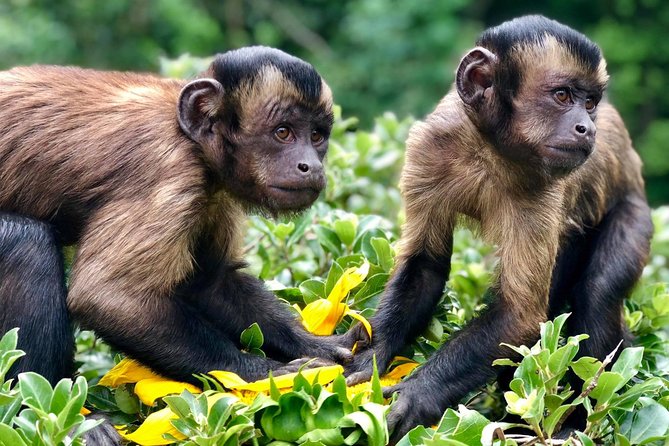
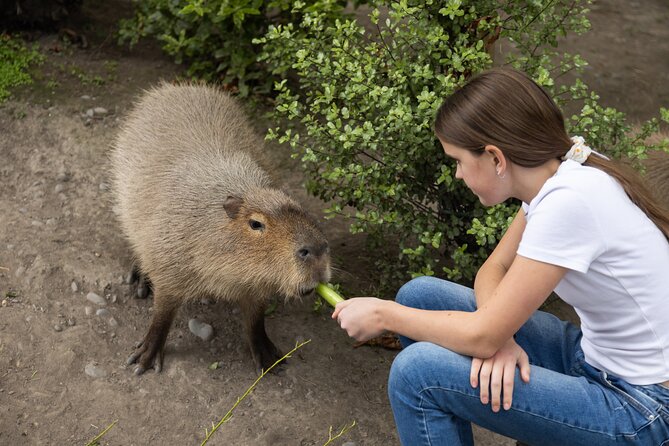
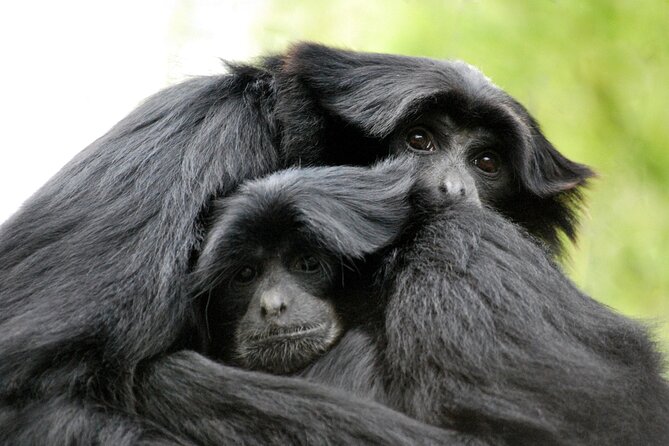
In the introduced-animal side of the reserve, you may see monkeys, lemurs, capybara, and wallabies. These tend to be the animals that get the loudest reactions, because they feel different from what many people expect from a New Zealand wildlife park.
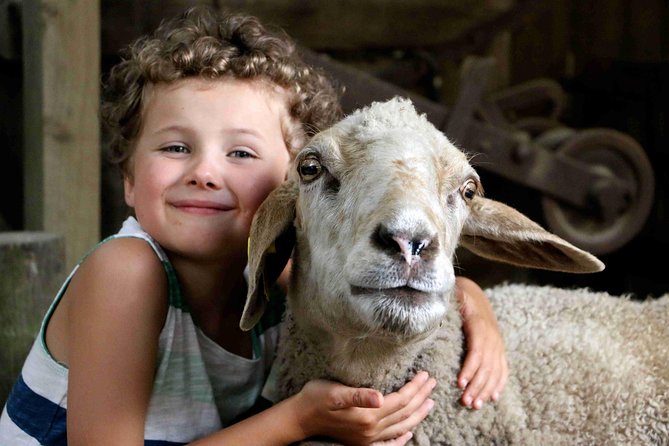
Then there is the farm side, where you can pat and interact with animals like sheep, rabbits, and alpaca. For families, this is usually the part that turns a “wildlife stop” into an actual hands-on memory. It is also a nice contrast to the native section, since you can see a different set of familiar animals in a New Zealand setting.
One balanced consideration: if you do not enjoy farm animals or petting-style encounters, this part may not be your favorite. The reserve leans into interaction, and you should be comfortable with that tone.
Native New Zealand favorites: kea, kaka, takahe, tuatara, and kiwi
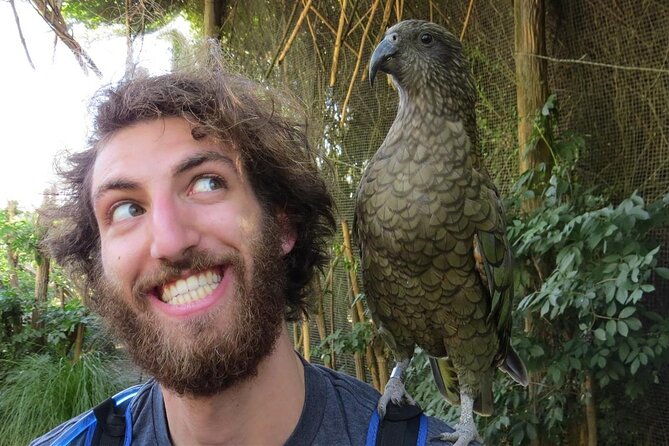
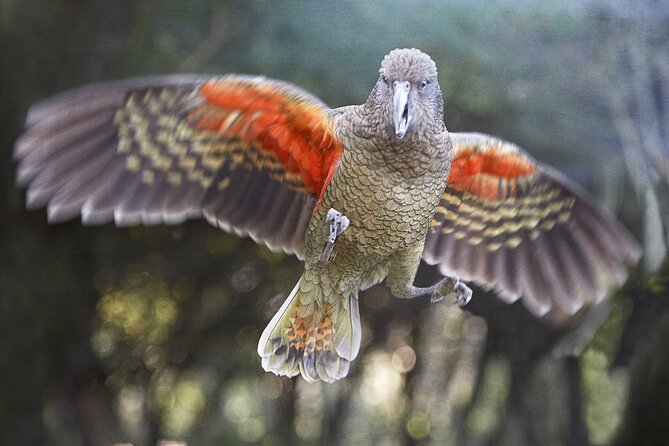
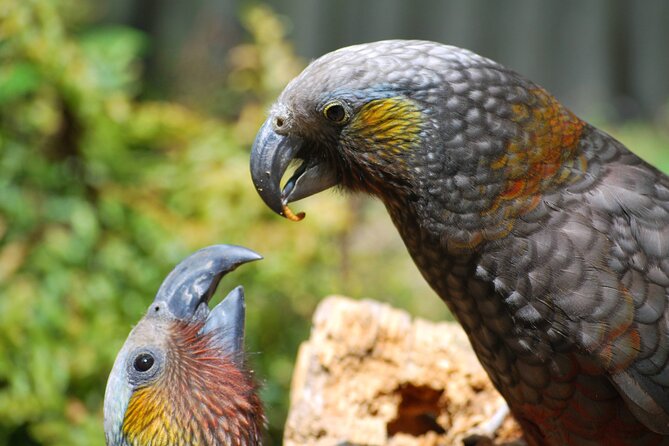
The native species section is where Willowbank earns its reputation for a one-stop New Zealand fix. You can look out for kea, kaka, takahe, tuatara, and kiwi all in one place, without hopping between multiple locations.
The reserve’s layout guides you from animal to animal, so you are not stuck staring at one enclosure for your entire visit. Even though you are on a route, the focus stays on you noticing different habitats and different species as you go.
For me, the value is convenience. You are not trying to coordinate separate days for birds, reptiles, and nocturnal wildlife. You are doing it in a single reserve, and the kiwi house is the anchor point that makes the whole plan feel reliable.
Feeding and animal etiquette: what to expect when animals learn your routine
Willowbank is hands-on and interactive, including the ability to feed and pat many of the animals. That is fun, but it also means you should use common-sense animal etiquette to keep things pleasant for everyone.
A practical example from on-site experience: some animals get bold around feed. Deer can approach quickly when they smell or expect food, so keep any feed pouch secure and follow staff direction closely. Ducks and other birds can also get more confident and noisy when food is involved, and you may see uncaged birds around areas with people.
If you bring kids, this is where a calm reminder helps: stay behind the barrier when you are supposed to, do not run, and hold steady. The animals are not being aggressive in a scary way, but they do respond to the feeding routine.
Also, expect a bit of chatter and commotion in animal interaction zones. It is part of the experience, especially with family groups.
Café and retail: plan your snack stop, because food is not included
You will find a café and a retail store on site, which makes it easier to turn your visit into a half-day plan instead of a quick walk-through. The only catch is that food and drinks are not included with admission, so budget for a snack or lunch if you get hungry.
In practice, this is good news if you prefer choice. You can pick what you want, rather than being stuck with a pre-set menu. If your kids get restless, having that café nearby also helps you regain your pace without needing transport to another place.
The retail store is a nice add-on if you want a small souvenir, but the real win is the café keeping you comfortable during your 1 to 3 hours.
Price and value: is $22.65 worth it?
At $22.65 per person for day entry, Willowbank sits in the “reasonable wildlife splurge” category. Whether it is worth it depends on what you want out of your day.
Here is why I think it offers strong value:
- You are not paying just to see animals from far away. The reserve is hands-on, with feeding and patting for many animals.
- The kiwi viewing guarantee turns the biggest uncertainty of kiwi watching into a planned experience. For many people, that alone is worth the price.
- You get a wide mix of species in one route, including native kea, kaka, takahe, tuatara, and kiwi, plus introduced animals and farm animals.
Costs outside the ticket are straightforward: food and drinks and transportation to or from attractions are not included. If you come from further away, your local transport costs will matter. But if you are already in Christchurch and looking for an easy wildlife option near the airport, this price can feel like a smart use of time.
Practical tips for a smoother visit
A few small adjustments can make your visit go much better:
- Bring comfy shoes. Some sections are gravel, and you will be walking enough to feel it by the end.
- If you want your best chance at kiwi, plan to linger near the end of your route and stay quiet in the kiwi house. Darkness is part of it.
- Keep an eye out for paths and signage, especially on gravel sections where direction can feel less obvious.
- If you are visiting with kids, treat it like a “watch and interact” route. There are lots of animal moments, so you are not stuck trying to entertain them between attractions.
- Expect that the reserve can be a bit noisy in animal zones, especially where birds and feed overlap.
These are not show-stoppers. They are just the kind of practical details that help you leave happy instead of rushing.
Who should book Willowbank Wildlife Reserve day entry
I think this is a great match if any of these are true:
- You want a guaranteed kiwi experience without long, complicated planning.
- You want a family-friendly wildlife day where interaction is part of the fun.
- You have limited time in Christchurch and like the idea of an easy stop near the airport.
- You want to see a range of New Zealand species in one place, plus introduced and farm animals.
It may be less ideal if you strongly dislike animal feeding interactions or you do not handle dark indoor viewing areas well. The kiwi house is not meant for quick peeks, and the reserve does lean into hands-on encounters.
Should you book Willowbank Wildlife Reserve day entry?
Book it if you want an efficient, hands-on wildlife experience in Christchurch and, most importantly, you care about getting to the kiwi house and seeing a kiwi with confidence. The setting works well for families, and the mix of native and introduced animals keeps the day interesting across ages.
Skip or reconsider if your ideal wildlife outing is quiet and strictly observational, with zero feeding interaction. Also think twice if you cannot tolerate low-light environments, because the kiwi viewing is intentionally dark and you will need patience for your eyes to adjust.
If you want a wildlife day that feels doable, not stressful, Willowbank is an easy yes.
FAQ
How long does Willowbank Wildlife Reserve day entry take?
Most people spend about 1 to 3 hours at Willowbank Wildlife Reserve.
Is kiwi viewing guaranteed?
Yes. The admission includes guaranteed kiwi viewing in the kiwi house.
Can I use a mobile ticket or do I need paper?
You can choose between mobile or paper ticket options.
What animals can I see at Willowbank?
You can spot native species including kea, kaka, takahe, tuatara, and kiwi. You can also see introduced animals such as monkeys, lemurs, capybara, and wallabies, plus farm animals like sheep, rabbits, and alpaca.
Is food included with the ticket?
No. Food and drinks are not included. There is a café on site if you want to buy something while you’re there.
What is the cancellation policy?
You can cancel for free up to 24 hours in advance for a full refund. If you cancel less than 24 hours before the start time, the amount paid is not refunded.
Everything Else We Wrote Up in Christchurch




Around Christchurch
Just added to our Christchurch notes
- (MT) Mount Cook & Lake Tekapo Day Tour from Christchurch★ 4.8 · 6 reviews
- Christchurch: Sea Kayaking Tour of Lyttelton Harbour★ 5.0 · 6 reviews
- Christchurch: Lake Tekapo Stargazing & Mount Cook 2-Day Tour★ 5.0 · 6 reviews
- Christchurch: Akaroa and Banks Peninsula Day Trip★ 5.0 · 6 reviews
- Christchurch: 20-Minutes City Helicopter Flight★ 5.0 · 6 reviews
- Christchurch: Helicopter Trial Flight★ 5.0 · 7 reviews
Christchurch Tours and Attractions, compared.
 ★ 4.5Christchurch Hop-On Hop-Off TramFrom $24841 reviews
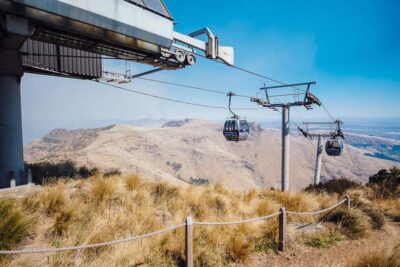 ★ 4.5Christchurch Gondola and Tram City Tour ComboFrom $46725 reviews
 ★ 4.6Christchurch: Hop-On Hop-Off Tour by Vintage TramFrom $23717 reviews
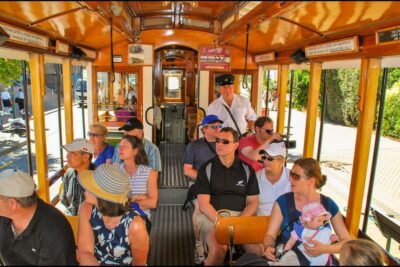 ★ 4.7Christchurch: Tram, Punt and Gondola Ride Combo TicketFrom $68608 reviews
 ★ 4.5International Antarctic Centre General Admission TicketFrom $45484 reviews
 ★ 4.9Mount Cook & Lake Tekapo Day Tour from ChristchurchFrom $146483 reviews
 ★ 4.5Waipara Wine Tour from Christchurch – including Lunch & TastingsFrom $117462 reviews
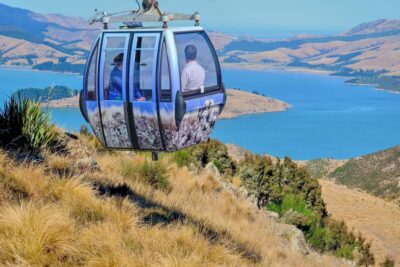 ★ 4.6Christchurch: Gondola RideFrom $25408 reviews
Browse the lists this tour appears in