
REVIEW · COROMANDEL AND CATHEDRAL COVE
Whangamata: Donut Island Guided Kayaking Experience
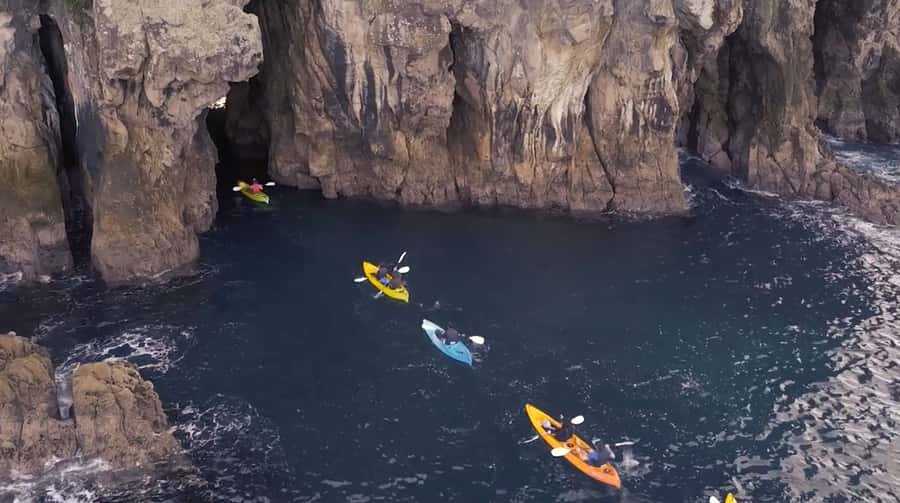
Kayaking into Donut Island feels like a coastal cheat code. You paddle out from Whangamata Beach toward a secluded, turquoise lagoon inside a protected island sanctuary, framed by volcanic cliff rock. I especially love the way the tour turns a simple paddle into a real nature moment, and I also like the small-group feel where the guides can help you get comfortable fast. One consideration: the route depends on swell and wind, so a windy or rough day can make the approach harder, and sometimes you may not be able to enter the island area as planned.
In practice, this 2 hour trip is part scenery, part wildlife sanctuary etiquette, and part hands-on paddling. The guides like Dylan, Mauro, Hannah, and Jim pop up in different trips, and a common theme is how they keep things safe while still making it fun. You also get a wetsuit and a dry bag, which matters here because the water is the main event, not a side quest.
If you do well in changeable conditions and you are comfortable being on the water with waves and rocks, this is a fantastic Coromandel outing. If you want a guaranteed calm-glide experience every time, you might find the weather dependent nature frustrating.
In This Review
- Key highlights worth planning for
- Donut Island is a real wildlife sanctuary paddle (not just a photo stop)
- Getting to the water: Whangamata base and the small-group rhythm
- Gear and safety setup: wetsuit, dry bag, life jacket, and real risk talk
- The 600m paddle out: how the approach changes your whole trip
- Donut Island and the lagoon: volcanic rock, wildlife energy, and etiquette
- Swimming time and photo time, plus the towel-and-change-clothes reality
- When Donut Island entry is too rough: alternatives and local kawakawa tea
- Price and value: what you get for $62 in 2 hours
- Who this Donut Island kayaking tour suits best
- Who should skip it (and why)
- Should you book Surfsup Kayaks Ltd to paddle to Donut Island?
- FAQ
- How long is the Whangamata to Donut Island kayaking experience?
- How big is the group?
- Where is the meeting point in Whangamata?
- What is included in the price?
- What should I bring?
- Is food and drinks included?
- Can I go for a swim during the tour?
- What happens if the provider cancels due to weather?
- Can I cancel and get a refund?
- Is the tour suitable for everyone?
Key highlights worth planning for
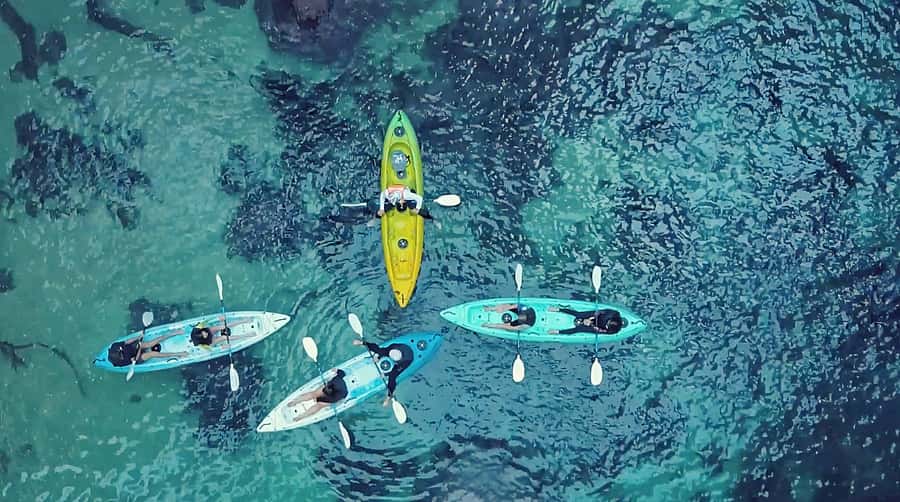
- 600m from Whangamata Beach to a sheltered, turquoise lagoon with native fauna nearby
- Donut Island wildlife sanctuary rules help protect the place you came to see
- Volcanic cliff rock formations, with an impressively long geological timeline
- Swim when you want during the lagoon time, with wetsuit support
- Small group (up to 8) means more attention when conditions get tricky
- Route can change with swell and wind, but you still get a meaningful alternative stop and local tea
Donut Island is a real wildlife sanctuary paddle (not just a photo stop)
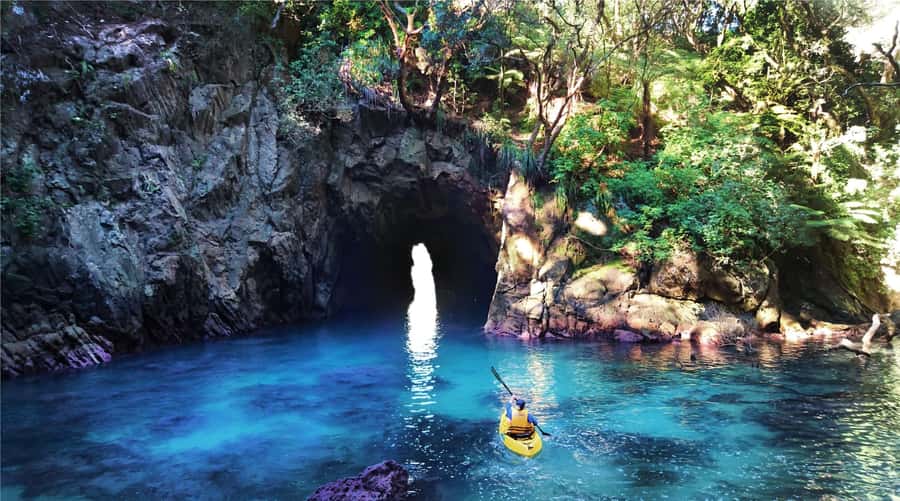
Donut Island sits off the Whangamata coast in a protected group of islands, and that sanctuary status changes the vibe of the whole outing. You are not just passing through scenery. You are visiting a living habitat, and the tour treats it that way, encouraging you to respect the islands so they can stay healthy for the future.
I like that this tour gives you a reason to slow down. The lagoon setting is quiet in the way that makes you notice birds and other wildlife, not just water movement. Even when the day gets a bit sporty, the guides keep the focus on what you are there to experience: native bush surroundings, inlets, and those dramatic volcanic formations.
That wildlife sanctuary angle is also why the access is limited. The island’s geography funnels you through a narrow entrance, and only kayaks or paddleboards can squeeze through in the right conditions. If you picture a smooth, wide-open bay paddle, reset that expectation. This is more coastal and more technical than it looks from shore.
Getting to the water: Whangamata base and the small-group rhythm
You meet at 100 Pipi Rd, Whangamata 3620. From there, the plan is built for a 2 hour window, which keeps the energy up and helps first-timers stay focused. With a group limited to 8 participants, you are not lost in a big crowd. It feels closer to a guided skill session plus a scenic outing.
That matters because conditions can shift quickly. The tour is weather dependent, and the information explicitly calls out that things can change daily and even hourly. When you have a small group, the guide can adjust pace and positioning without turning it into chaos.
It is also an English live guide tour, so you get real explanation instead of just hand signals. If you are coming from outside New Zealand, the local context helps a lot, especially around why the sanctuary matters and how the volcanic landscape shaped what you see today.
Gear and safety setup: wetsuit, dry bag, life jacket, and real risk talk
This tour takes safety seriously, and it does not pretend the water is calm. You are provided with a life jacket, a dry bag, a wetsuit, and a kayak or paddleboard option. You also get a local guide who is there to manage the group and help you read the water.
Here is what I think makes the gear list smart: a dry bag and wetsuit let you focus on paddling and enjoying the lagoon time instead of worrying about staying warm or soaking everything. You still want to dress like the ocean is going to do ocean things, but the kit reduces the hassle.
And yes, they tell you the real risks. You are warned about the risk of capsizing in deep water, rocks, waves, and wind. That is not meant to scare you. It is meant to make sure you treat the outing like an activity on open water, not a casual stroll.
Before you go, you should also know the tour is not suitable for pregnant women, wheelchair users, visually impaired people, or people over 275 lbs (125 kg). If any of those apply, skip it and look for something else better matched to your needs.
The 600m paddle out: how the approach changes your whole trip
The core route takes you about 600m off the coast of Whangamata Beach to a secluded turquoise lagoon. That distance is long enough to feel like you left the world behind, but short enough that the tour stays doable for most people who can follow instructions and paddle a steady pace.
When wind and swell are manageable, you get that satisfying progression: starting from familiar beach water, then feeling the change as you get out toward the island group. The volcanic coastline features start to show in layers, not just one view. You also start noticing how the lagoon itself feels different, more sheltered and calmer than the open approach.
When conditions are rough, the approach becomes part of the challenge. You might find you work harder for stability and you will want to listen closely to the guide’s advice about where to position your kayak and how to react when waves move through.
If you are a first-time kayaker, this is still framed as something you can do, and multiple guide-led trips emphasize it being doable for beginners. The key is that you will do better if you stay relaxed, keep your focus forward, and do what your guide tells you about pacing.
Donut Island and the lagoon: volcanic rock, wildlife energy, and etiquette
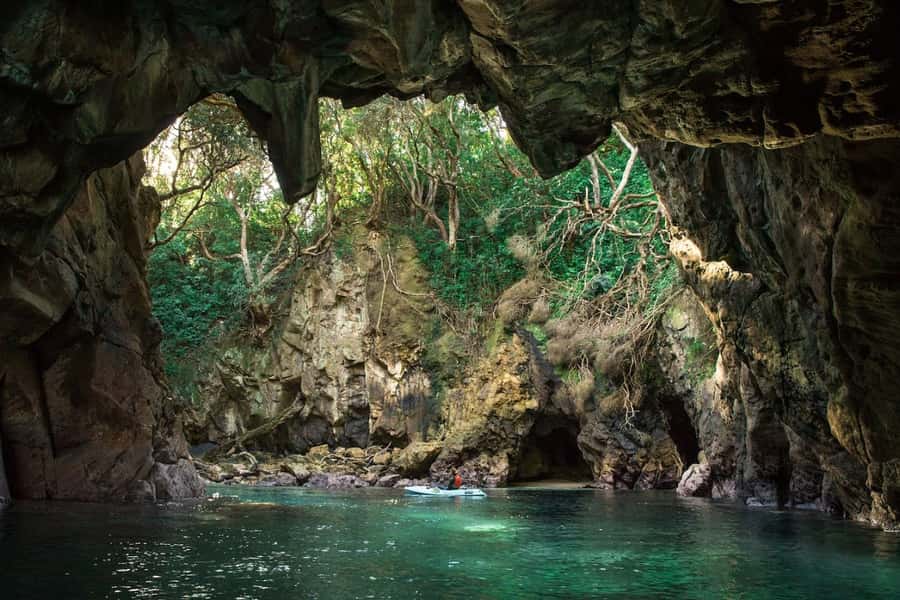
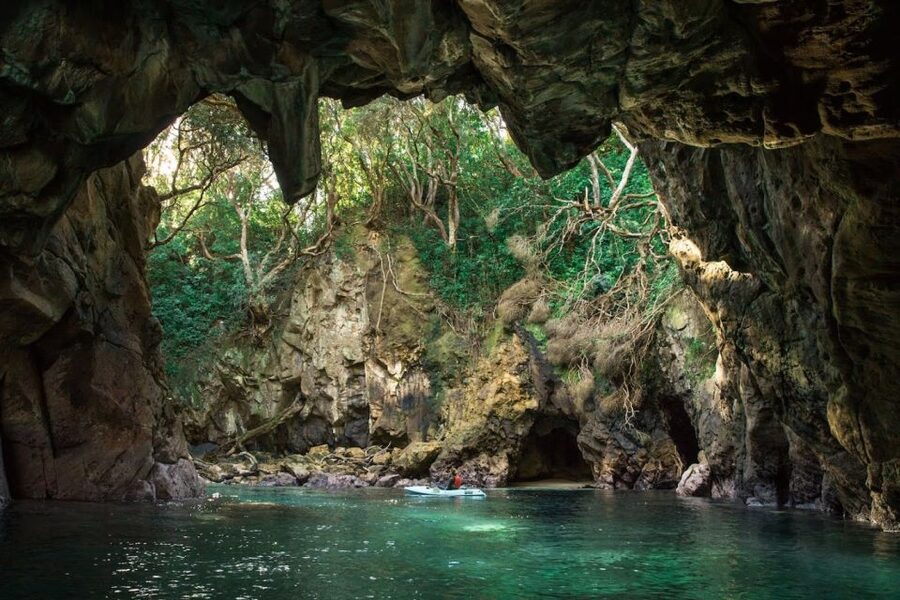
What makes the Donut Island portion special is the mix of geology and habitat. The volcanic cliff rock formations date back thousands of years, and they create that dramatic coastal structure you came for. Inside the sanctuary area, the lagoon opens up into a setting that feels almost unreal: turquoise water, native fauna presence, and a sense of stillness that is rare near a popular beach town.
Because access is limited and the entrance is narrow, the tour is also a lesson in scale and respect. You cannot treat the place like a theme park stop. You move carefully, you stay within the boundaries the guide sets, and you keep your gear and movement under control so you do not disrupt wildlife or sensitive areas.
If you are the type who likes seeing more than just one angle for photos, the lagoon time is your payoff. The best moments are usually when you slow down, float for a second, and look at how the volcanic rock changes color and texture as light hits it.
One more practical note: the tour gives you the option to go for a swim whenever you please. That is a highlight, but do it with the same respect you would use anywhere on open water. Wear your life jacket as directed, follow the guide’s cues, and remember that you are in a coastal environment with wind and waves in the mix.
Swimming time and photo time, plus the towel-and-change-clothes reality
The lagoon stop is where you can switch from paddling mode to enjoying mode. Swimming is allowed and you can take your time when conditions make it pleasant. The wetsuit helps a lot here because it gives you more comfort than a quick splash.
For photo time, you will get great angles, including viewpoints from the kayak approaching island rock. Just do not make the mistake of thinking you will be sitting still the whole time. You still need to paddle, reposition, and keep track of group spacing.
This is also why your packing list matters. Bring swimwear, a hat, sunscreen, and water. Bring a beach towel, a change of clothes, and beach sandals too. Plan for getting wet even if the dry bag keeps your essentials dry.
If you are prone to sunburn, sunscreen is not optional here. The paddling time plus lagoon time can add up to more sun than you expect when you are out on open water.
When Donut Island entry is too rough: alternatives and local kawakawa tea
One of the most useful things I learned from these trips is that Donut Island entry is not guaranteed on every day. The tour depends on conditions, and the information is clear that swell and wind can affect access. In some cases, the entrance can be too rough for inside access.
When that happens, the day is not a wash. You can still get a meaningful alternative, like spending time on a nearby beach area and enjoying a local touch such as kawakawa tea that appears as part of the experience in the guides’ day plans. Some guides also lead the group toward an interesting cave or coastal feature depending on conditions, so the tour has built-in flexibility rather than ending early.
If you are arriving expecting only one exact outcome, keep an open mind. Your real win is being on the water in a protected island setting. Even on a day when the main entrance is tough, the coast, lagoon time, and guide-led local context can still make the experience feel complete.
Guides like Dylan and Adam (and others across different dates) show up repeatedly in people’s feedback, and a common praise is how they manage windy days and still keep things fun and safe. That is what you should look for in your guide, because conditions can turn quickly.
Price and value: what you get for $62 in 2 hours
At $62 per person for a 2 hour guided kayak outing, the value comes from what is included, not just the paddling itself.
You get:
- Kayak and paddle (or paddleboard option where relevant)
- Local guide
- Life jacket
- Dry bag
- Wetsuit
That bundle is a big deal for value because it removes the headache of renting gear or figuring out what you need for water temperature. Plus, the guide does more than point at views. You are paddling through a narrow entrance area and operating in a place where wind and swell matter. That kind of context is part of why you pay.
What is not included is food and drinks, so plan a snack strategy before or after your paddle. If you want tea or refreshments during the trip, the data only hints at kawakawa tea as a local touch in some days, not as a guaranteed meal. Treat it as an added bonus, not a replacement for a proper plan.
Is $62 cheap? Not really. But it is fair for a guided, gear-provided, small-group kayaking activity in a protected island environment where access can be weather sensitive. If you were to rent a kayak plus safety gear on your own, the math often swings closer to this price point once you factor in time and instruction.
Who this Donut Island kayaking tour suits best
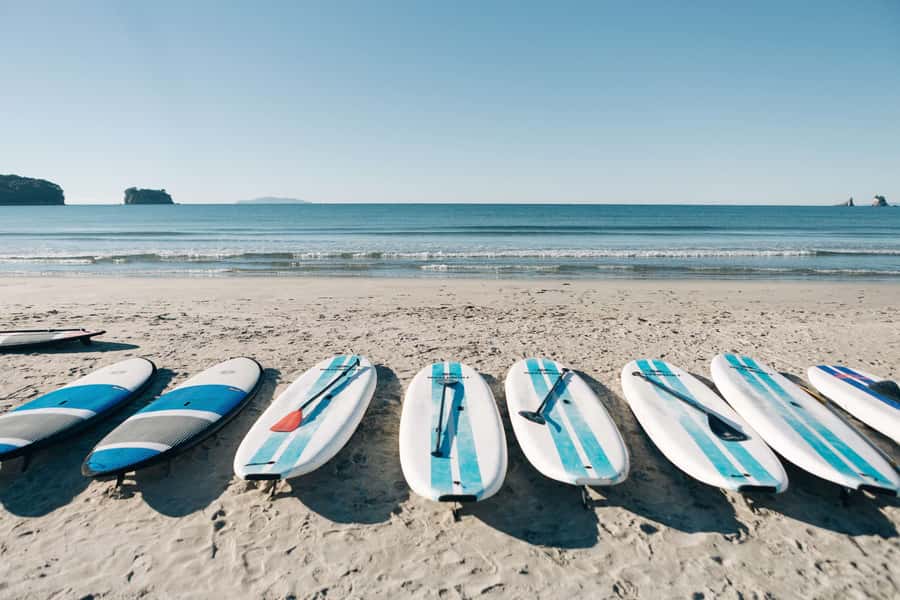
This tour is a strong fit if you:
- Want a guided kayak experience with gear provided
- Like wildlife sanctuary settings and understand you are visiting an ecosystem
- Can handle a bit of wind and waves, and you are okay with the possibility of route changes
- Appreciate volcanic coastal scenery and want more than a quick look from shore
- Want a small-group pace so you get help when you need it
It is also a great option if you are a beginner, as long as you listen carefully and keep your movements steady. First-timers often do well in guided settings because the guide manages the group and helps with technique.
Who should skip it (and why)
This is not for everyone. The tour is explicitly not suitable for:
- Pregnant women
- Wheelchair users
- Visually impaired people
- People over 275 lbs (125 kg)
It also has a built-in physical challenge. Even with a wetsuit, you are paddling in deep water risk areas where capsizing can happen in the wrong conditions. So if you have health issues, you should advise the provider before you go.
If you are the kind of traveler who needs a fully calm, controlled environment, treat wind and swell dependence as a deal-breaker. The tour might still be great, but it will never promise easy conditions.
Should you book Surfsup Kayaks Ltd to paddle to Donut Island?
I think you should book this tour if you want an authentic Coromandel kayaking experience that mixes paddling, volcanic scenery, and a real wildlife sanctuary mindset. The value is strong because wetsuit, life jacket, dry bag, and the guided setup are included, and the small-group size helps make the whole thing feel manageable.
You should pause before booking if you are sensitive to water risk, you have limited mobility, or you need predictable calm weather. This tour is an outdoor activity that can change hour to hour.
If you do book, pack for a changeable day: swimwear, towel, sunscreen, hat, change of clothes, and beach sandals. And on the water, treat safety instructions like part of the fun. That is what lets you enjoy the best parts, from the lagoon swim to the volcanic formations around Donut Island.
FAQ
How long is the Whangamata to Donut Island kayaking experience?
The tour lasts 2 hours.
How big is the group?
It is a small group, limited to 8 participants.
Where is the meeting point in Whangamata?
You meet at 100 Pipi Rd, Whangamata 3620, New Zealand.
What is included in the price?
The tour includes kayak and paddle, a local guide, life jacket, dry bag, and a wetsuit.
What should I bring?
Bring hat, swimwear, sunscreen, and water. You should also plan for a beach towel, change of clothes, and beach sandals.
Is food and drinks included?
No. Food and drinks are not included.
Can I go for a swim during the tour?
Yes, you can go for a swim whenever you please, following the guide’s lead and the conditions.
What happens if the provider cancels due to weather?
If the provider cancels because of weather, they will try to offer an alternative date or alternative activity. If that is not possible, the total cost is refunded.
Can I cancel and get a refund?
Yes. You can cancel up to 24 hours in advance for a full refund.
Is the tour suitable for everyone?
No. It is not suitable for pregnant women, wheelchair users, visually impaired people, or anyone over 275 lbs (125 kg). The tour also highlights the risk of capsizing in deep water, rocks, waves, and wind.
If you want, tell me your kayaking comfort level and travel month, and I’ll help you decide how to pack and what to expect on likely conditions.
Coromandel and Cathedral Cove, compared.
 ★ 5.0Glass Bottom Boat Whitianga Cathedral Cove CruiseFrom $93937 reviews
 ★ 5.0Cathedral Cove Kayak TourFrom $127887 reviews
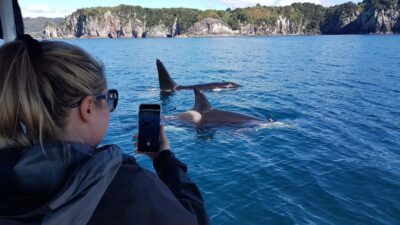 ★ 4.8Whitianga: 2-Hour Cathedral Cove and Volcanic Coast CruiseFrom $83816 reviews
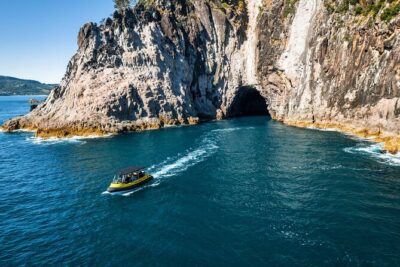 ★ 5.02 Hour Cathedral Cove and Volcanic Coast Cruise with Shade CanopyFrom $96393 reviews
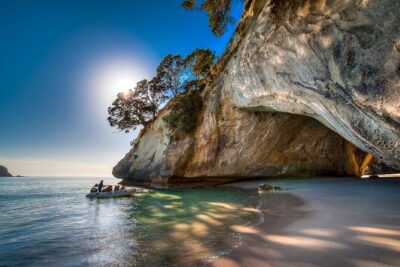 ★ 5.0One Hour Cathedral Cove Boat Tour in HaheiFrom $89340 reviews
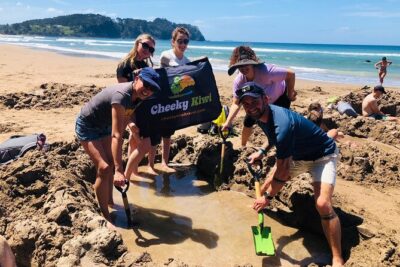 ★ 5.0Cathedral Cove & Coromandel Peninsula Small-Group Day ToursFrom $164248 reviews
 ★ 5.0Cathedral Cove Coast and Cave ActivityFrom $86244 reviews
 ★ 4.8Whitianga: Sailing Trip to Cathedral CoveFrom $86190 reviews
Browse the lists this tour appears in