
REVIEW · WHITE WATER RAFTING
Tongariro River: Grade 3 Whitewater Rafting
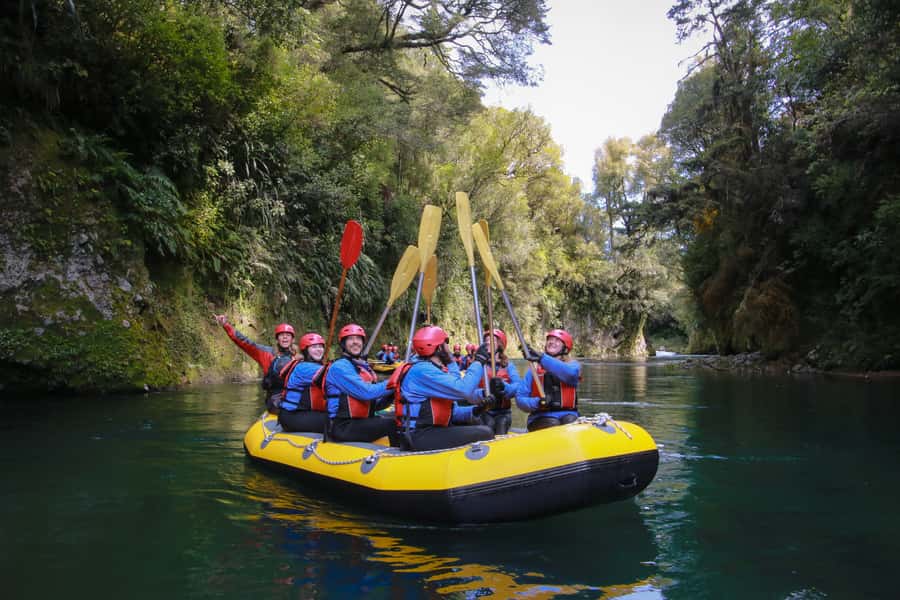
Sixty rapids sounds like a dare. I love the upper Tongariro setting and the way the day runs with an expert guide through 60+ Grade 3 rapids, and it can even include a rare blue duck sighting. One thing to plan for, you need to bring any personal medication you rely on, or you might not be able to raft.
You’ll start right at the Tongariro River Rafting base in Turangi, get geared up, then ride a short bus stretch to the river. The whole adventure is about 4 hours, with time for a full safety briefing before you hit the water and a chance to look at photos after.
Practical note: digital photos are not included, so if you want the proof that you survived the roller-coaster moments, budget a little extra.
In This Review
- Key Things to Know Before You Go
- Tongariro River Rafting Starts at Turangi, Then Heads to the Water
- 60+ Grade 3 Rapids, What That Means for Your Body and Your Nerves
- Gear Up Properly: What’s Included and What You Should Bring
- Paddling Skills Without the Guesswork
- Wildlife Moment: Your Best Shot at a Rare Blue Duck
- Guides Make or Break It, and Here They Sound Excellent
- Weather Happens: When Rain or Hail Shows Up
- After the Rapids: Back to Base and the Photo Check
- Price and Value: Is $112 Worth a 4-Hour Grade 3 Thrill?
- Who Should Book This Rafting Day (and Who Should Skip)
- Should You Book Tongariro River Grade 3 Rafting?
- FAQ
- Where is the meeting point for Tongariro River rafting?
- How long is the rafting experience?
- Is this rafting trip suitable for beginners?
- What is the rafting grade?
- What age limits apply?
- What should I bring?
- Is equipment included?
- Are digital photos included?
- Are alcohol or drugs allowed?
- Is there free cancellation?
Key Things to Know Before You Go
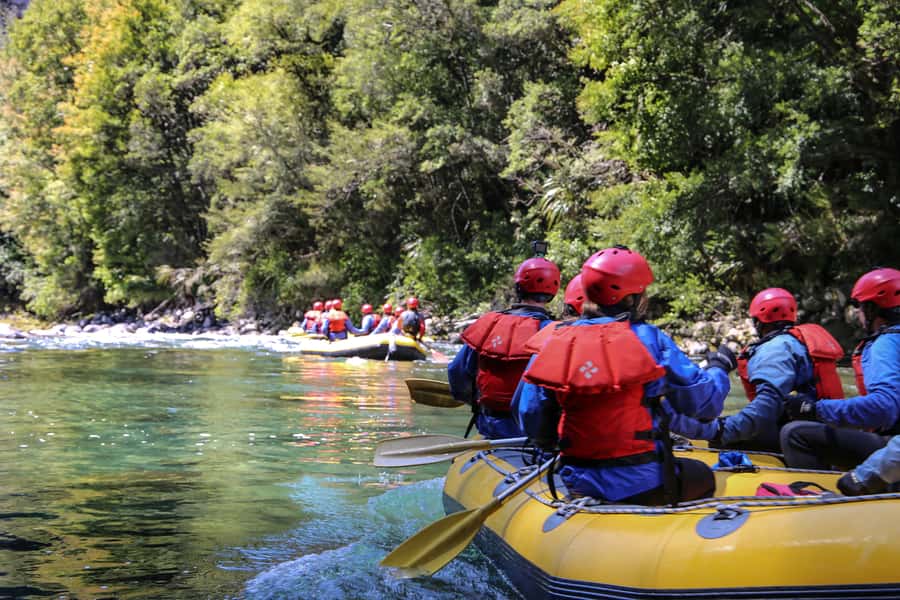
- 60+ Grade 3 rapids means real action, not just a paddle and a splash.
- Upper-reaches scenery you only really see from the river.
- Rare blue duck spotting is possible, so keep your eyes up when you get stops.
- Safety briefing and paddling instruction come first, so you know what to do before the chaos.
- Expert guides like Sarah and Fletcher tend to focus on confidence, not bravado.
- Photo add-on is optional after the trip, not part of the base price.
Still weighing up the options? These are the other Taupo trips we have written up.
- Waikato River Jet Boat Ride from Taupo
★ 5.0 · 1,441 reviews - Lake Taupo: Sailboat Trip to the Maori Rock Carvings
★ 4.8 · 972 reviews - Lake Taupō Māori Rock Carvings Scenic Cruise aboard Ernest Kemp
★ 4.5 · 901 reviews - Taupō: Huka Falls 30-Minute Jet Boat Experience
★ 4.8 · 759 reviews
Tongariro River Rafting Starts at Turangi, Then Heads to the Water
The meeting point is at Tongariro River Rafting, 133 Atirau Road, Turangi 3353. I like that you start at a base with everything organized, because you’re not trying to figure out gear, timing, or river logistics while you’re already excited (or nervous).
After you arrive, you’ll get the essential rafting gear, including a life jacket. Then there’s a short bus ride to the river’s starting point, which matters because you want your “getting wet” moments to happen on your schedule, not after a long, boring transfer.
Once you’re at the river, you get a comprehensive safety briefing and paddling instructions before anyone jumps in. This is the part that makes the ride feel manageable, even if you’re the type who thinks too much beforehand.
60+ Grade 3 Rapids, What That Means for Your Body and Your Nerves
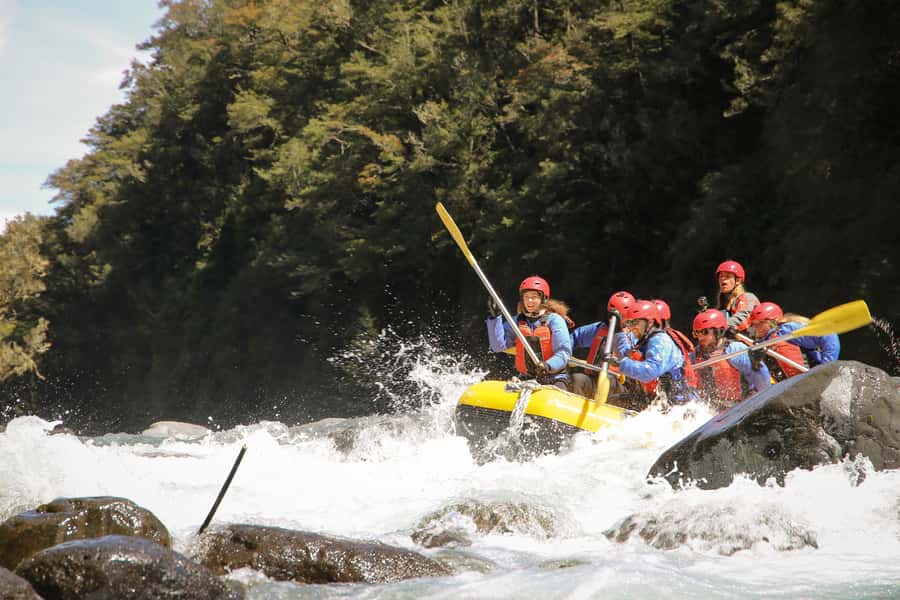
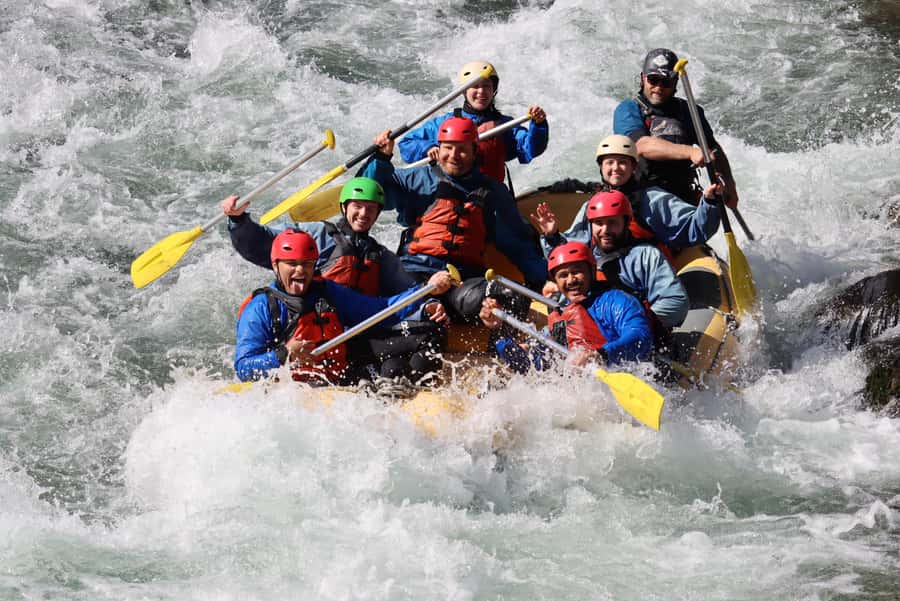
This is Grade 3 rafting, and that tells you the day will include heart-pounding, action-packed rapids. You’ll tackle over 60 exhilarating rapids, so it’s not one big thrill moment at the start and then a long calm stretch.
The rhythm tends to feel like a series of challenges. You paddle when the guide tells you to, you brace and react during the rougher sections, and you reset your focus between rapids. If you’re nervous at the start, that’s normal. One review specifically mentioned feeling unsure before the activity, then ending the trip wanting to do it all over again once the team worked together and the ride made sense.
A big value here is the guide’s role as translator and coach. With a good guide, the rapids stop being random danger and start being a pattern you can follow. You’re still going to get wet, but you’ll also understand what your team is doing and why.
Gear Up Properly: What’s Included and What You Should Bring
Good rafting gear is not a luxury. It’s part of your safety system, and it also affects comfort.
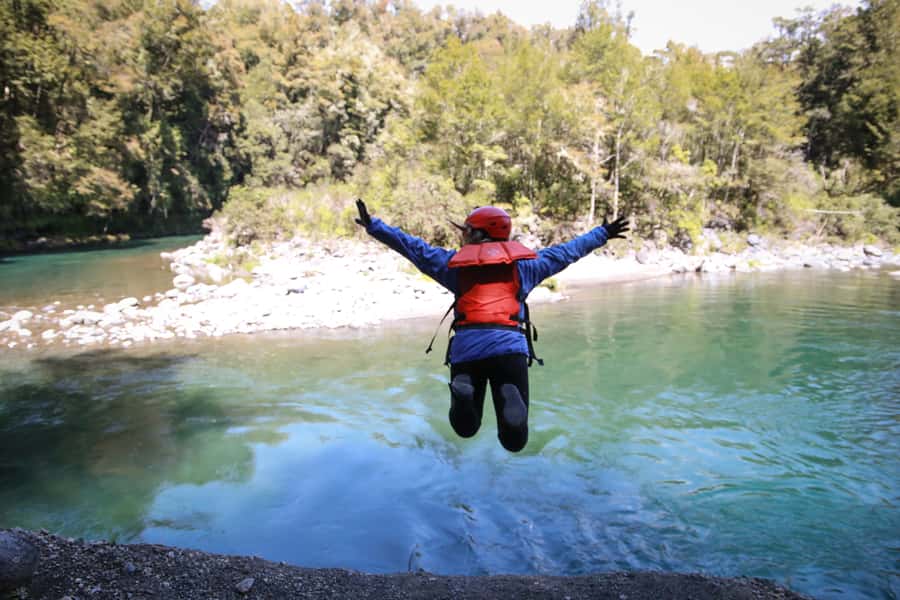
Here’s what you get: an expert guide, all necessary equipment including a life jacket, and a full safety briefing. That means you do not need to bring your own helmet, life jacket, or paddling gear.
What you should bring is simple and specific:
- Swimwear
- Towel
- Personal medication
I like that the list is short. If you show up prepared, you can focus on the fun. If you forget your towel, you’ll be drying off awkwardly. If you forget swimwear, you’ll be stuck improvising. And if you forget medication, you might not be able to raft at all, which is a risk you really don’t want on rafting day.
Paddling Skills Without the Guesswork
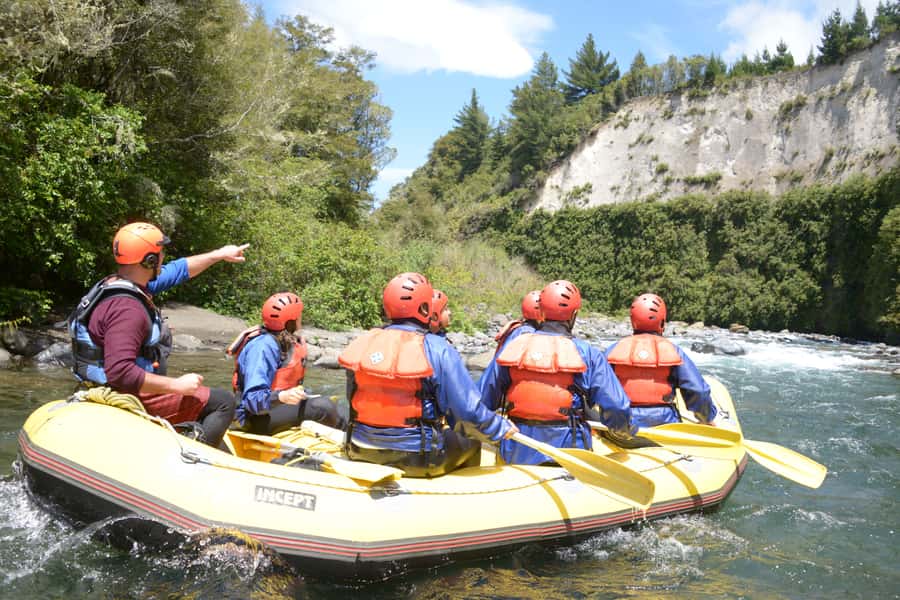
You don’t need to be a pro paddler to enjoy this. The day is built around a safety briefing and paddling instructions that happen right before the river time.
That matters for confidence. One of the strongest themes in the feedback is how supportive and attentive guides are, with one reviewer praising Fletcher for being caring, informative, and focused on helping everyone feel safe and capable. Another highlighted Sarah for great communication and a warm welcome.
The practical takeaway for you: listen closely during the briefing, because that’s when the guide explains how to paddle, how the team moves together, and what to do when the river gets pushy. Pay attention to timing cues. In rafting, tiny instructions can be the difference between chaos and control.
Wildlife Moment: Your Best Shot at a Rare Blue Duck
One of the most charming elements is the chance to see one of New Zealand’s rare blue ducks. This is not something you can force, but the fact it’s even on the radar tells you the rafting route passes through the kind of habitat birds use in the upper river reaches.
How to improve your odds: stay alert, don’t rush through the moments when the guide calls attention to the surroundings, and keep your eyes up when you’re not actively paddling. If you’re thinking ahead, bring the patience to look for movement along the water, not just scenery in the distance.
Also, remember that rafting is loud and energetic. If you see the chance for a wildlife look, the best response is usually quiet focus. Let the group settle for those short checks, and you’ll give your attention to what matters.
Guides Make or Break It, and Here They Sound Excellent
This trip’s reputation leans hard toward guide quality. You’ll likely hear it in how people talk about feeling safe, confident, and part of the team.
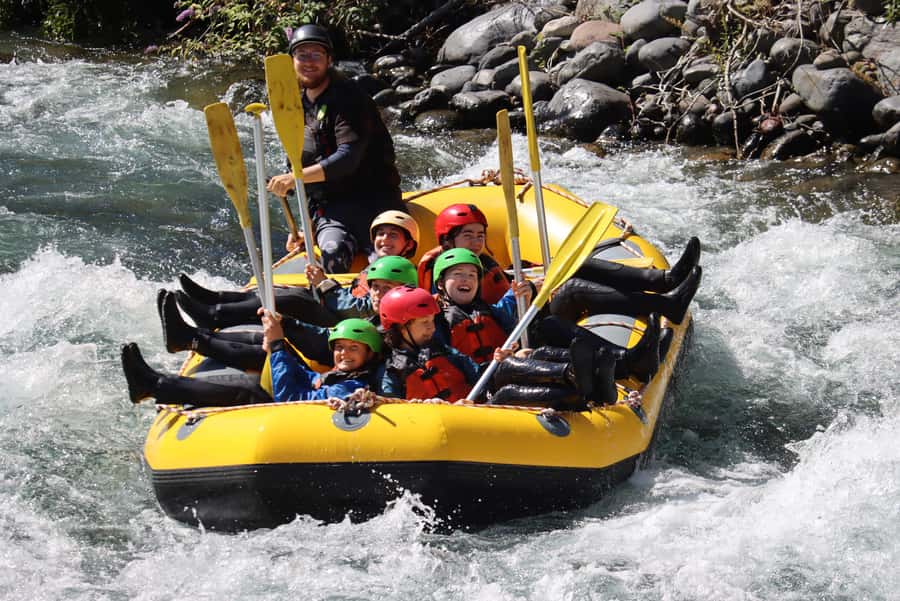
In the reviews, names show up more than once. Sarah was described as wonderful with great communication and a welcoming vibe. Fletcher was praised for being supportive and attentive, and for guiding the group so well that everyone functioned as a real team. One person even mentioned feeling very nervous beforehand, then ending the trip wanting to do it again because the guide built trust fast.
So what should you expect when you’re on the river?
- Clear instructions before the rapids
- Coaching that helps you work with the group
- A focus on safety without turning the day into a lecture
If you’re risk-averse or new to rafting, this kind of leadership is a big deal. If you’re experienced, it still helps because better coaching often leads to smoother teamwork and a more enjoyable ride overall.
Weather Happens: When Rain or Hail Shows Up
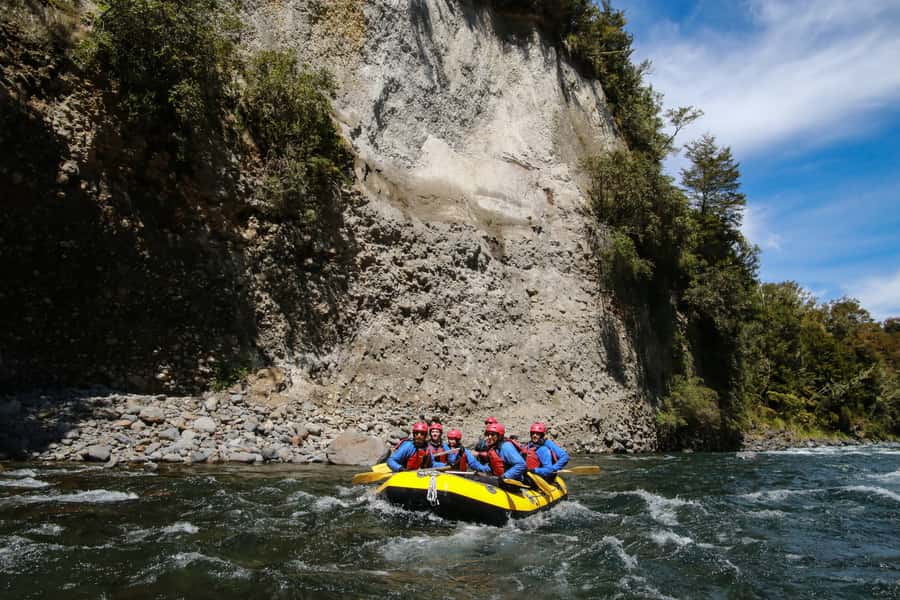
Rafting is outdoors, and the Tongariro area can throw weather at you. One review mentioned rain and hail during the experience, and the person still described it as fantastic.
Here’s the practical mindset to bring: assume you’ll get wet and plan to dress like that’s part of the day. Don’t treat weather as a reason to worry. Treat it as a reason to stay flexible, listen to your guide, and focus on the paddle plan.
If you run cold easily, this is where a towel becomes more important than people think. Dry off quickly afterward, and warm up as soon as you can back at the base.
After the Rapids: Back to Base and the Photo Check
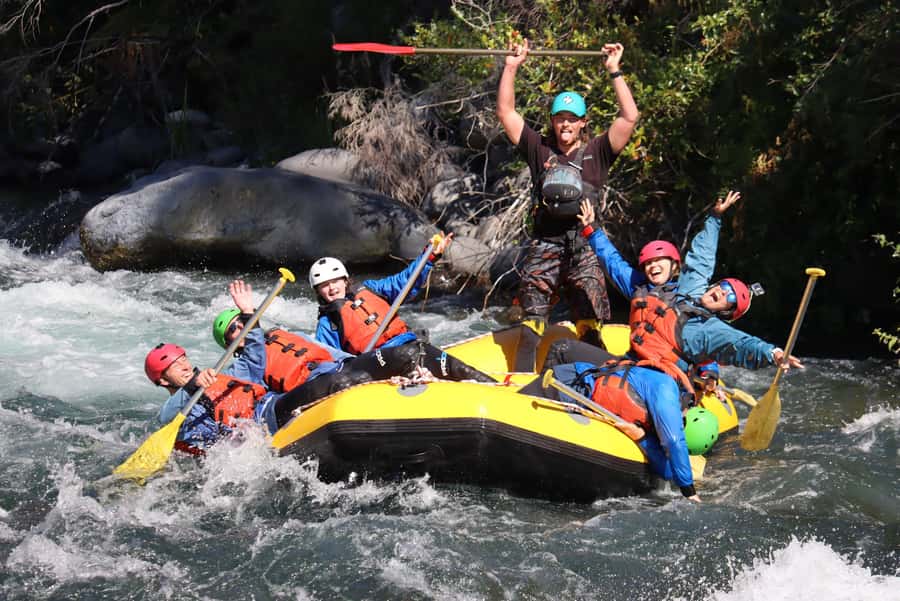
When the ride ends, you head back to the base. This is when you get a chance to decompress, warm up, and check out photos of your river escapades.
One important detail: digital photos are not included in the price. So if you want them, plan on purchasing separately. I actually like knowing this upfront because it keeps the “surprise” costs from catching you later.
Also, the after-ride atmosphere tends to be more relaxed. You’ve already been through the action, so the mood shifts to laughing about near-misses, comparing moments, and talking through the rapids you remember most.
Price and Value: Is $112 Worth a 4-Hour Grade 3 Thrill?
At $112 per person for a 4-hour adventure, the value comes from what’s included and what you’re paying for.
You’re not just paying for time on the water. You’re paying for:
- An expert guide who runs safety and teamwork
- All necessary equipment, including a life jacket
- A full safety briefing
- Transportation from the base area to the river start (via short bus ride)
That combination is the real cost driver. If you had to rent gear, arrange a guide, and manage your own river logistics, you’d pay for those pieces separately. Here, the package keeps it straightforward.
The only “extra” the day mentions clearly is digital photos. Everything else you need for the raft is handled. If you’re the kind of person who likes clear inclusions, this is a decent match.
Who Should Book This Rafting Day (and Who Should Skip)
This one is for people who want real river action without needing extreme experience. It’s Grade 3, and it’s designed to work for both novice rafters and people with more experience.
That said, there are clear fit limits:
- Not suitable for children under 11
- Children between 11 and 12 must be accompanied by a responsible adult
- Unaccompanied minors are not allowed
You also need to be able to follow basic rules:
- Intoxication is not allowed
- Alcohol and drugs are not allowed
If you’re someone who wants controlled excitement, this can hit the sweet spot. If you’re dealing with a medication requirement, bring it. The information is explicit that arriving without personal medication might mean you can’t raft.
Should You Book Tongariro River Grade 3 Rafting?
I’d book it if you want a high-action half-day with real guidance, a river you can’t really access any other way, and a chance at a wildlife moment like the rare blue duck. The guide reputation matters a lot here, and the feedback about Sarah and Fletcher suggests they focus on confidence and teamwork, not just speed.
I’d skip it if you cannot meet the basic requirements, especially the medication one. I’d also think twice if your tolerance for cold, wet, and outdoor weather is very low, because you should expect to get soaked on a rapids day.
If you’re traveling in New Zealand’s North Island and you have a window for a 4-hour adrenaline-and-nature outing, this is one of those rare activities that gives you both. The rapids do the thrilling work, and the upper river setting gives you a reason to slow down just enough to look around.
FAQ
Where is the meeting point for Tongariro River rafting?
The meeting point is Tongariro River Rafting, 133 Atirau Road, Turangi 3353.
How long is the rafting experience?
The duration is 4 hours.
Is this rafting trip suitable for beginners?
Yes, it’s described as suitable for both novice rafters and those with more experience, as long as you follow the guide’s instructions.
What is the rafting grade?
This is Grade 3 whitewater rafting.
What age limits apply?
Children under 11 are not suitable. Children between 11 and 12 must be accompanied by a responsible adult.
What should I bring?
Bring swimwear, a towel, and any personal medication you need.
Is equipment included?
Yes. You’ll be provided with all necessary equipment, including a life jacket.
Are digital photos included?
No. Digital photos are available to purchase.
Are alcohol or drugs allowed?
No. Intoxication, alcohol, and drugs are not allowed.
Is there free cancellation?
Yes. You can cancel up to 24 hours in advance for a full refund.
Everything Else We Wrote Up in Taupo
Just added to our Taupo notes
- Escape Room Experience Taupo – The Cursed Cabin★ 4.5 · 7 reviews
- Escape Room Experience Taupo – The Enchanted Candy Forest★ 5.0 · 9 reviews
- Escape Room Experience Taupo – The Hunting Lodge★ 5.0 · 9 reviews
- Taupo: Huka Falls Helicopter Ride★ 5.0 · 9 reviews
- Parasailing Adventure over Lake Taupo★ 4.5 · 11 reviews
- Escape Room Experience Taupo – The Marvelous Circus★ 5.0 · 12 reviews
White Water Rafting, compared.
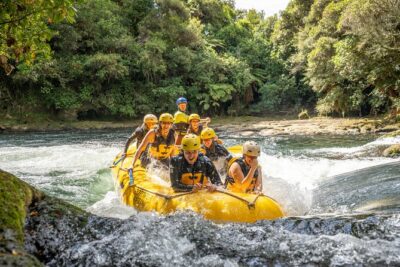 ★ 5.0Rotorua Rafting: Kaituna River White Water Rafting & Free SaunaFrom $831,952 reviews
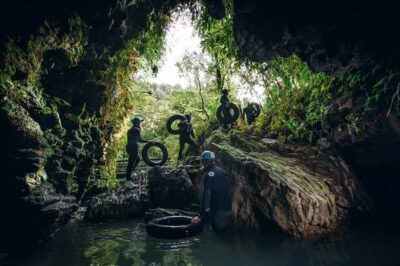 ★ 4.9Waitomo Caves: Labyrinth Black Water Rafting ExperienceFrom $1151,673 reviews
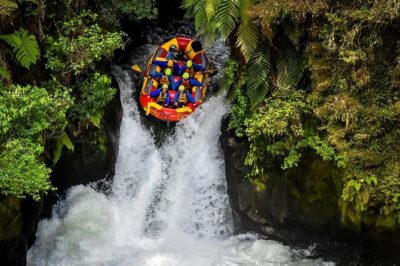 ★ 5.0White Water Rafting – Kaituna Cascades, The OriginalsFrom $831,274 reviews
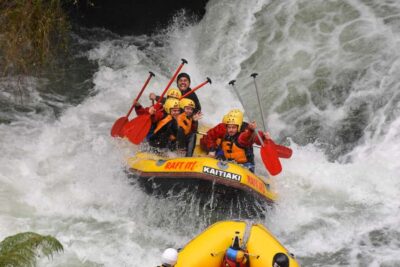 ★ 4.9Rotorua Rafting: Kaituna River White Water ExperienceFrom $49840 reviews
 ★ 5.0Rafting Rotorua Kaituna White Water Rafting | Kaitiaki AdventuresFrom $83759 reviews
 ★ 5.0Kaituna Cascades – Grade 5 Wairoa River near TaurangaFrom $117437 reviews
 ★ 5.0Kaituna River White Water Rafting from RotoruaFrom $84388 reviews
 ★ 5.0Black Water Rafting Experience Waitomo Caves TourFrom $119362 reviews
Browse the lists this tour appears in