
REVIEW · NEW ZEALAND
Small-Group Beekeeping Experience in Tauherenikau
Manuka honey starts with a hive, not a label. This small-group experience at Greytown Honey in Tauherenikau takes you from hive inspection all the way to the processing that ends in a jar you can buy. It’s equal parts hands-on learning and behind-the-scenes food production.
I especially like how the tour teaches you the bees’ roles inside the hive, so the whole place makes sense fast. I also like the stop at the end for a honey tasting and an overview of additional honey products, which helps you connect what you learned to what you’ll taste. The main drawback to weigh is that it depends on good weather, and it’s not recommended for people with anaphylaxis.
In This Review
- Key highlights worth showing up for
- Entering The Honey Stables, where it all starts
- Hive inspection basics you’ll be glad you know
- The processing factory stop, from hive to jar
- Honey tasting at the factory store, plus other products
- Price and small-group value in Tauherenikau
- Timing, meeting point, and what to plan for
- Who this tour fits best, and who should think twice
- Optional add-ons: native trees or make-your-own honey
- Small details that make the difference on the day
- Should you book the small-group beekeeping experience?
Key highlights worth showing up for
- Hive-to-jar storytelling you can follow end to end.
- Safety-first approach, with safety equipment provided before you inspect a hive.
- Bee roles explained clearly, so you understand what you’re seeing.
- Small-group size (max 12), which makes questions easier to ask.
- Honey tasting at the end, plus a look at other products and why they exist.
- Optional add-ons (native tree sanctuary or making your own labeled honey).
Still weighing up the options? These are the other Wellington trips we have written up.
- Wellington: Wētā Workshop Guided Tour Ticket
★ 4.7 · 997 reviews - Wētā Workshop Experiences Tour – Wellington
★ 5.0 · 875 reviews - Wellington: Return Cable Car Ticket
★ 4.6 · 714 reviews - Half Day Tour of Wellington
★ 4.5 · 638 reviews
Entering The Honey Stables, where it all starts
The tour begins at The Honey Stables, at 58 Moroa Road, Tauwharenikau, with a start time of 10:30am. If you like experiences that don’t waste your time, this is a good sign: you’re briefed early, then you move from learning to doing.
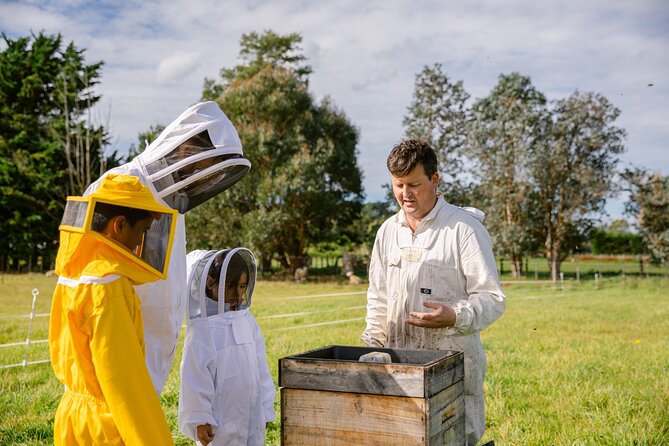
The first phase is about context. You’ll get a walk-through of the journey to New Zealand manuka honey, plus a health and safety run through before you suit up. Even if you’ve never been near bees before, the pace is set so you’re not thrown in the deep end.
This is also where you get your bearings for the rest of the day. The tour is structured as a complete pathway, so you’re not just watching one isolated moment. You’re learning how the work connects from hive to jar, which is what makes it feel more real and less like a sales pitch.
Hive inspection basics you’ll be glad you know
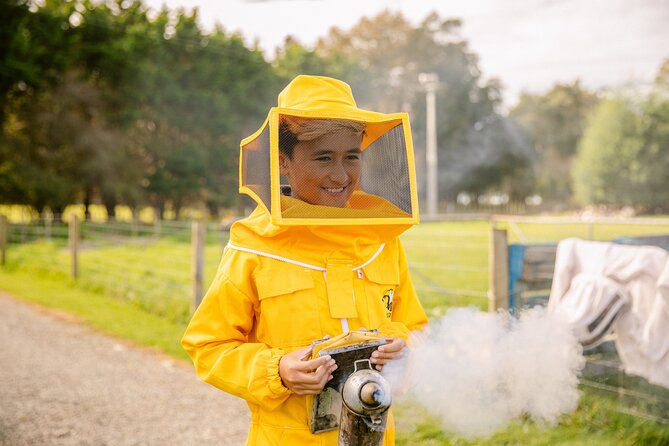
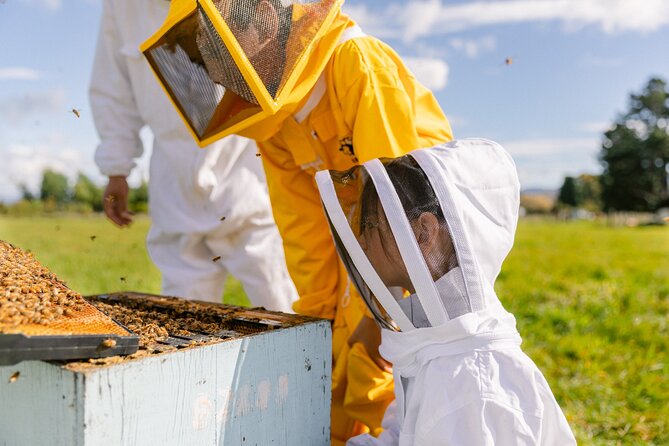
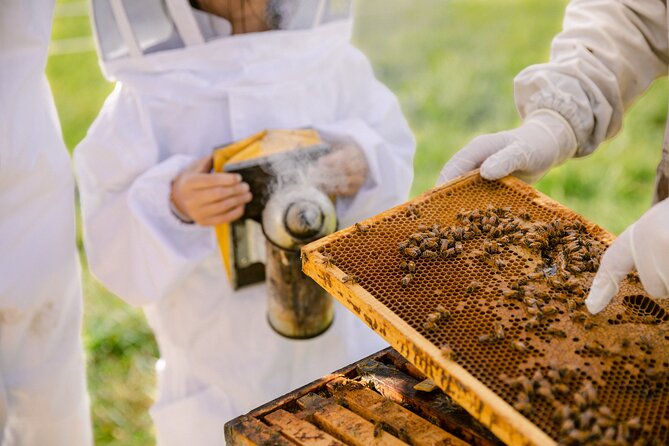
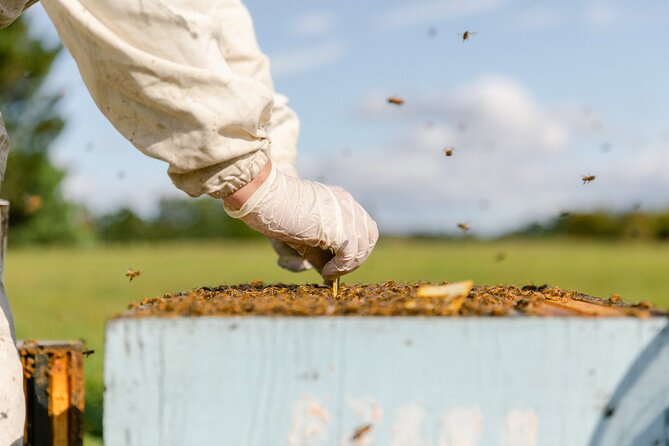
Next comes the moment most people come for, inspecting a beehive. Before that, the team provides the safety equipment you need so you can comfortably join the inspection.
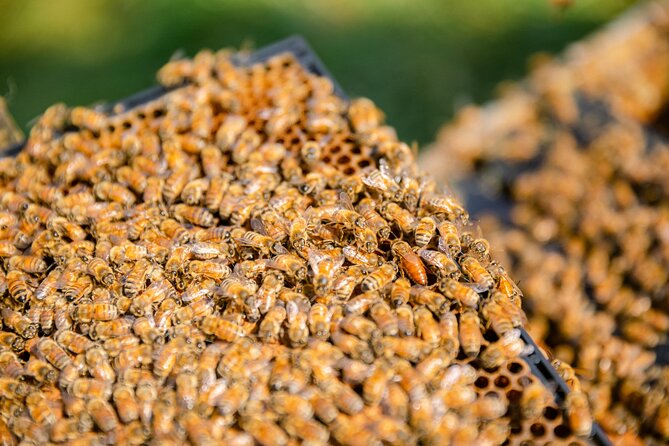
What I like about this part is that it doesn’t treat bees like a prop. You learn what it all looks like inside the hive and how different bees play different roles. That’s a key difference between a typical “look at the bees” stop and an actual beekeeping experience.
Here’s the practical payoff: when you finally see frames, activity, and patterns, you’re not left guessing. You have a framework for what you’re observing. And once you understand the roles bees play, manuka honey stops being a mysterious product and becomes the outcome of a whole system.
If you’re nervous about insects, don’t pretend you’re fearless. Instead, focus on the fact that the tour is designed around safety equipment and a guided inspection. You’ll want to listen closely to the instructions because the whole experience relies on calm, careful behavior around the hive.
The processing factory stop, from hive to jar
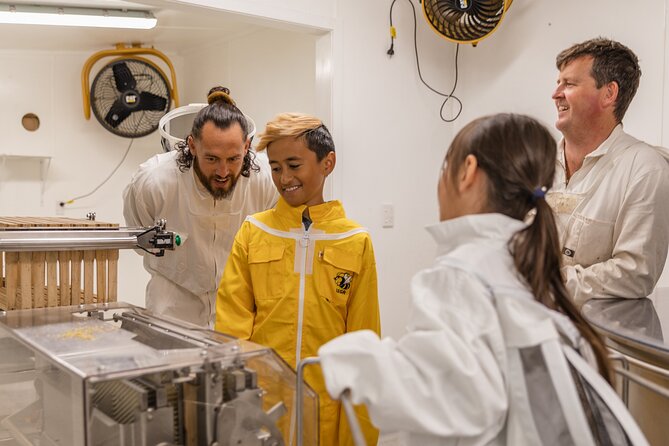
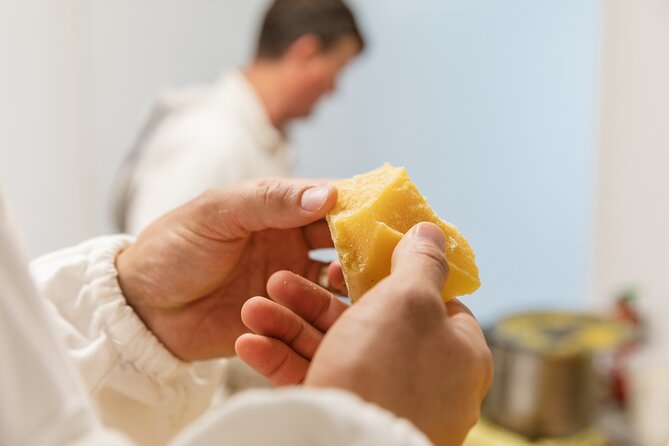
After the hive inspection, you head into the factory to follow the honey through the processing process from hive to jar. This is the part many food tours skip. Here, you get the full chain, so you can connect the biology side to the production side.
You’ll learn how the honey moves through processing, and you’ll likely pick up the logic behind why steps exist. That matters because manuka honey isn’t just “honey.” It’s tied to New Zealand’s unique conditions, and award-winning products usually come with a lot of care in how they’re handled.
A good tour is one you can explain to someone later. The hive-to-jar setup makes that easier. Instead of only remembering the bees, you’ll also remember the route that turns honey into the final jar you buy.
In a small-group setting, you can also ask questions if something catches your eye. With a maximum of 12 travelers, the vibe is more “guided conversation” than “follow the leader in a crowd.”
Honey tasting at the factory store, plus other products
The experience loops back to the factory store for a honey tasting. This is a smart ending. You’ve spent time learning how manuka honey is made, so you’re ready to taste with more context than just sweetness.
The tasting is paired with an overview of additional products in their range and why they’re included. That’s where you start thinking about value, not just novelty. You’ll be able to connect your learning to the range, and you can decide what kind of buyer you are.
Do you want a basic jar for everyday use, or are you more curious about specialty products? Either way, the tasting gives you a direct way to evaluate flavor and character. It’s also a pleasant way to slow down after the busy parts of the morning.
One more thing I like: the shop is described as really nice. That kind of detail matters more than it sounds. A clean, well-run store space makes it easier to browse calmly, ask questions, and buy confidently if you want to take something home.


Price and small-group value in Tauherenikau
The price is $42.66 per person for about 1 hour and 15 minutes. For a tour that includes a hive inspection with safety equipment, plus a factory walkthrough and a tasting, that doesn’t feel like a bargain deal. It feels fair, especially because the group size is capped at 12.
Also, you’re not just paying for time. You’re paying for guidance. A beekeeping experience lives or dies by how well it’s explained and how safely it’s run. This one builds in both, starting with health and safety at The Honey Stables and then moving through the hive and processing spaces.
Booking value is helped by the simple format: mobile ticket, clear start time, and a loop back to the same meeting point. You can fit this into your Wellington-area day without complicated planning.
Finally, the fact that it’s frequently booked around a month in advance suggests it’s popular. That’s often a sign the content lands well. Still, if you’re flexible, booking earlier generally gives you more choice in dates.
Timing, meeting point, and what to plan for
The tour starts at 10:30am at 58 Moroa Road, Tauwharenikau 5771, New Zealand. It ends back at the meeting point, so you won’t need to figure out transport at the finish.
It runs about 1 hour and 15 minutes, which is a comfortable length. Long enough to do the hive and the processing part, short enough that you’re not committing an entire half-day.
One practical consideration: the experience requires good weather. If weather turns, the tour may be canceled. When that happens, you’ll be offered a different date or a full refund. That’s the kind of policy you’ll want to keep in mind when you schedule around it.
If you’re traveling with a service animal, service animals are allowed. That’s useful to know for planning comfort.
Who this tour fits best, and who should think twice
This experience is labeled as suitable for most travelers, and it’s designed so people can participate. The big caution is specific: it’s not recommended for travelers with anaphylaxis.
If that applies to you, don’t assume you’ll be fine because it looks short and guided. Use the information given, and consider speaking with the provider before booking.
For many people, this is a strong match:
- If you want a science-meets-food experience, not just a photo stop
- If you like small groups and practical explanations
- If you want to taste manuka honey with real context
- If you’re curious about how New Zealand honey is processed before it hits shelves
If you’re a single traveler, there’s a minimum number of 2 people for this tour. You can get in touch, because they may be able to accommodate you on another booking. It’s worth planning ahead if you’re traveling solo.
Optional add-ons: native trees or make-your-own honey
Two optional activities can be added by contacting the provider directly. Each one takes an extra 15 minutes, and there are extra costs.
First is the Botanical Experience, described as a show and tell through their native tree sanctuary. If you like nature-focused learning, this pairs well with the beekeeping theme, since bees and local plant life naturally connect.
Second is Make Your Own Honey, where you label and fill your own honey to take home. That’s a fun choice if you like hands-on souvenirs that feel personal rather than generic.
If you add either option, plan your schedule so you’re not rushing afterward. The base experience is already active, with safety gear and indoor processing steps. The add-ons extend the total time a bit, so build in buffer.
Small details that make the difference on the day
A few practical points can help you have a smoother visit.
Expect a guided flow. The tour starts with learning at The Honey Stables, then the hive inspection, then factory processing, then tasting and product overview in the store. That structure keeps you from feeling lost, even if you’re brand new to bees.
Also, pay attention during the safety briefing. You’re given safety equipment so you can inspect a beehive comfortably, but comfort still depends on following the rules. Treat it like a hands-on lab session, not a sightseeing stop.
Finally, go into the tasting ready to compare. If you’re the type who only likes one style of honey, you might be surprised by how different products can taste. The tasting part is where the experience turns from information into something memorable.
Should you book the small-group beekeeping experience?
Yes, if you want an authentic manuka honey story with real stops, not just a quick look. The biggest reasons to book are the full hive-to-jar path, the hive inspection with safety equipment, and the end tasting that ties learning to flavor.
Book it if you enjoy small-group experiences (max 12 travelers) and you like explanations that help you understand what you’re seeing. Also book it if you want a New Zealand food product tour that connects biology, production, and buying decisions without feeling overly salesy.
Think twice if weather might be a problem for your schedule, since the experience requires good weather. Also skip or research further if you have anaphylaxis, because it’s not recommended.
If you’re in the Wellington area and want a short, meaningful experience that ends with something you can taste, this one is a strong pick. Add the Botanical Experience for a nature pairing, or Make Your Own Honey if you like bringing home a souvenir with a little effort behind it.
Everything Else We Wrote Up in Wellington

Just added to our Wellington notes
- Wellington Zoo General Entry Tickets★ 3.9 · 7 reviews
- Wellington Full Day Private Tour in Electric Tesla SUV★ 5.0 · 7 reviews
- Private Martinborough Wine Tour in an Electric Vehicle – Tesla Model Y★ 5.0 · 7 reviews
- Martinborough Chefs shared wine tour ŵ lunch from Wellington★ 4.5 · 7 reviews
- Easy Rider Two-Hour Wellington eBike Tour★ 5.0 · 7 reviews
- A Taste of Kapiti – Kapiti Foodie Delights Tour★ 5.0 · 7 reviews