
REVIEW · ROTORUA TOURS AND ATTRACTIONS
Rotorua: The Buried Village of Te Wairoa
A village erased by fire, then found again. At Te Wairoa, the 1886 Mt. Tarawera eruption comes into focus through the award-winning museum and the remains of a Māori and European community.
I love how the site blends museum time with outdoor walking, and the stories feel practical rather than gloomy. The main drawback: the waterfall steps can be steep, so wear shoes with grip.
In This Review
- Key things that make Te Wairoa worth your time
- Te Wairoa: a volcanic story you can walk through
- Getting there from Rotorua (and how much time to plan)
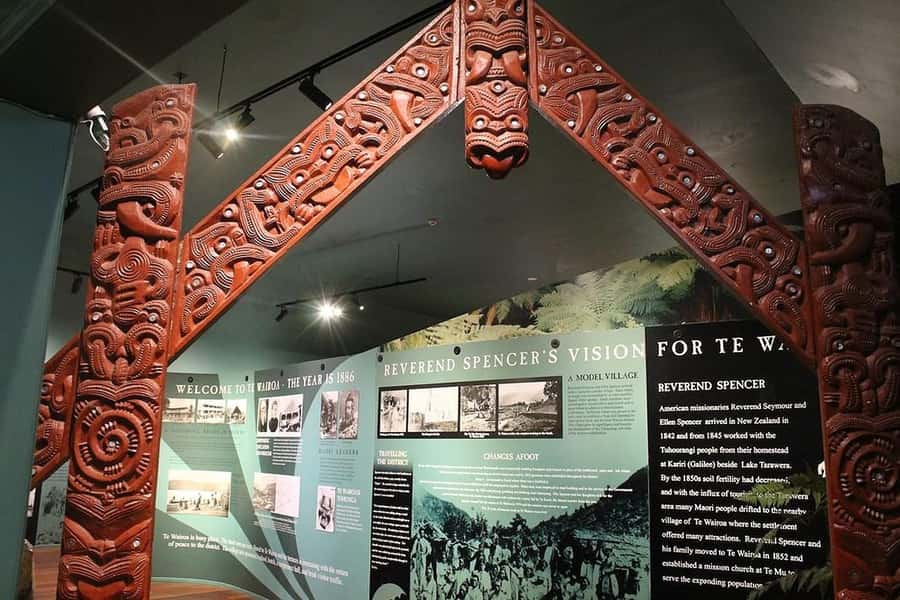
- Start at the museum, so the village makes sense
- The buried village walk: archaeological sites with real atmosphere
- How the guide stories land, especially around Māori culture
- Te Wairoa Falls trail: the misty payoff at the end
- Smith & Co cafe, scones, tea, and small rewards after walking
- Optional add-ons, like dressing up and a VR experience
- Price and value: why $14 can feel like a bargain
- Who should book this, and who might skip
- Things to watch for (so you enjoy it more)
- Should you book the Buried Village of Te Wairoa?
- FAQ
- How long should I plan for the Buried Village of Te Wairoa?
- How much does the ticket cost?
- What is included with the entry?
- What food and drinks are available onsite?
- Do they provide hotel pickup and drop-off?
- Where is the meeting point?
- Is the site wheelchair accessible?
- What should I bring?
Key things that make Te Wairoa worth your time
- 1886 Mt. Tarawera context that you can actually see: the eruption that destroyed the Pink and White Terraces is tied directly to what’s here
- A museum that starts strong: excavated objects from the 1800s help you picture everyday life before the disaster
- Archaeological sites you walk through: the village grounds give scale and place, not just captions
- Te Wairoa Falls at the end of the walk: misty, dramatic payoff if you’re up for a short climb and descent
- Onsite extras: an active cafe stop, plus a chance to dress up in Victorian-style clothing
Te Wairoa: a volcanic story you can walk through
If you like history, but hate the kind that feels like it’s trapped behind glass, Te Wairoa hits the sweet spot. This is Rotorua’s famous buried village connected to the night of the Mt. Tarawera eruption in 1886, when a major landscape landmark, the Pink and White Terraces, was wiped out. You get artifacts, yes. But you also get place, scale, and the eerie sense of what it meant to lose a community in one night.
What I like most is that the story isn’t presented as a distant tragedy. It’s framed as a lived-in village shaped by both Māori and European presence, and then interrupted in a terrifying instant. The museum gives you the “what happened” and the walking trails help you understand “where it happened.”
Getting there from Rotorua (and how much time to plan)
Te Wairoa is just a short hop from Rotorua, about a 15-minute drive. That matters because you’re not committing to a long day on the road just to see a site. It’s an easy add-on if Rotorua is your base.
Set aside at least 1.5 hours if you want to do it properly. That’s enough time to move through the museum, walk the archaeological areas, and still enjoy the waterfall trail without feeling rushed. If you’re the type who stops to read signs and watch the details, give yourself more time.
This is also one of those places where timing affects your experience. If the area has had recent rain, the waterfall walk can look and feel extra dramatic, with more water and mist.
Start at the museum, so the village makes sense
The day works best when you start indoors. The museum is where you build context fast: it’s interactive, and it focuses on what the village was like before the eruption. You’ll see an extensive collection of excavated objects from the 1800s, which is a big part of why this site earns attention.
One practical note: the museum can feel chilly inside, so I’d bring a light layer even if Rotorua is mild outside. After that, the outdoor walking feels more comfortable, because you get to warm up as you go.
Inside, you’ll also encounter a mix of storytelling formats, including audio guides. Some days include living history style talks and costumed guide moments, so your experience can feel a little different depending on when you visit. I’d treat the museum as your storyline hub, then let the trails “show” what you just learned.
The buried village walk: archaeological sites with real atmosphere
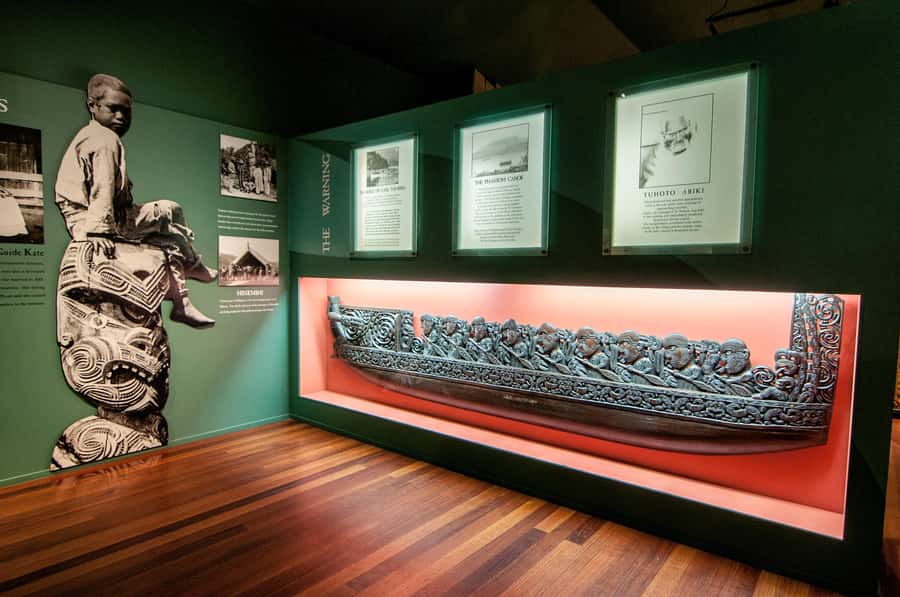
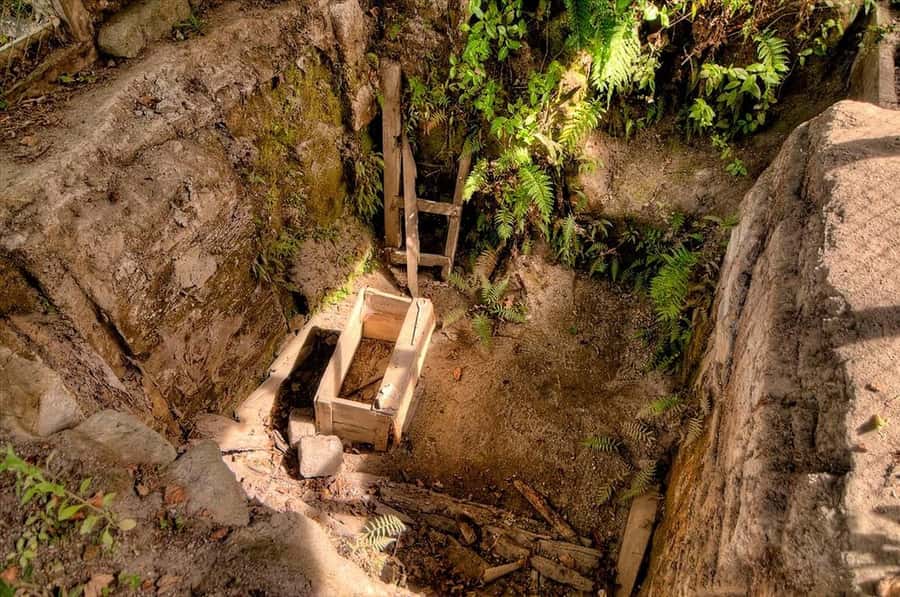
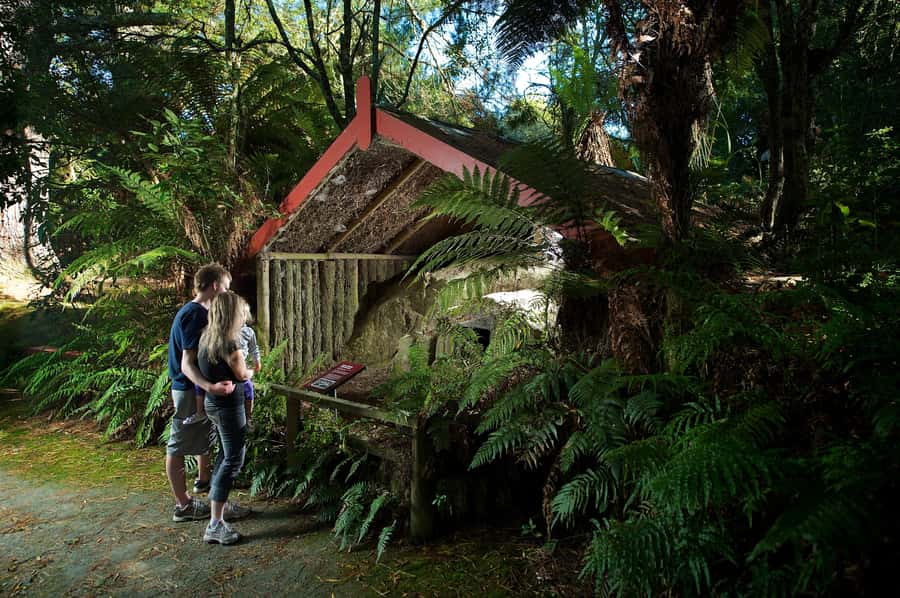
After you get the background, you move into the archaeological sites. This is where Te Wairoa shifts from information to atmosphere. You’re not just looking at ruins. You’re walking through grounds connected to the village life that existed before the eruption changed everything.
There’s something especially effective about the way the site is laid out for self-guided exploring. You’ll follow marked paths and read interpretive signage to understand how structures and spaces would have functioned. In places, visitors have found the signage could be improved, but the overall layout and guidance are still enough to keep you moving with confidence.
What I think you’ll appreciate most is the contrast: the area is beautiful even without the story, and then the story makes the beauty feel bittersweet. You’ll likely come away with a better sense of scale, and of how close people were to the landforms that later became hazardous.
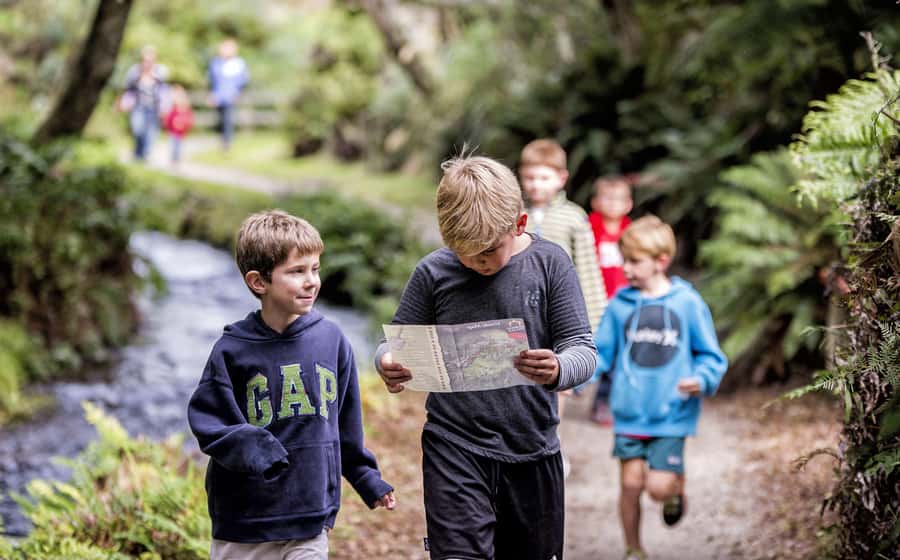
Also, if you enjoy hands-on learning, you may find activities happening in the museum and park areas. One example is a clue-style scavenger hunt that sends you through museum and outdoor spaces in a fun, low-pressure way.
How the guide stories land, especially around Māori culture
Even if you’re planning to use the audio guide, having a human guide in the mix can change the tone. The site uses local guides, and the languages you’ll hear include English, German, and Māori. You might also run into guide-led storytelling sessions that feel more like a conversation than a lecture.
In past visits, I’ve seen that detail matter. For instance, some guests have credited specific guides by name, including a guide named Marie, described as a third-generation guide of Sophia. When the person speaking has a family link to the telling, it often feels less like performance and more like stewardship.
You’ll learn about the hardships suffered by the once-thriving settlement and how the site was excavated over many years under kaitiakitanga associated with the Smith family, taking nearly 90 years. That long focus on care and excavation helps you understand why this place is handled with respect, not treated like a quick tourist stop.
Te Wairoa Falls trail: the misty payoff at the end
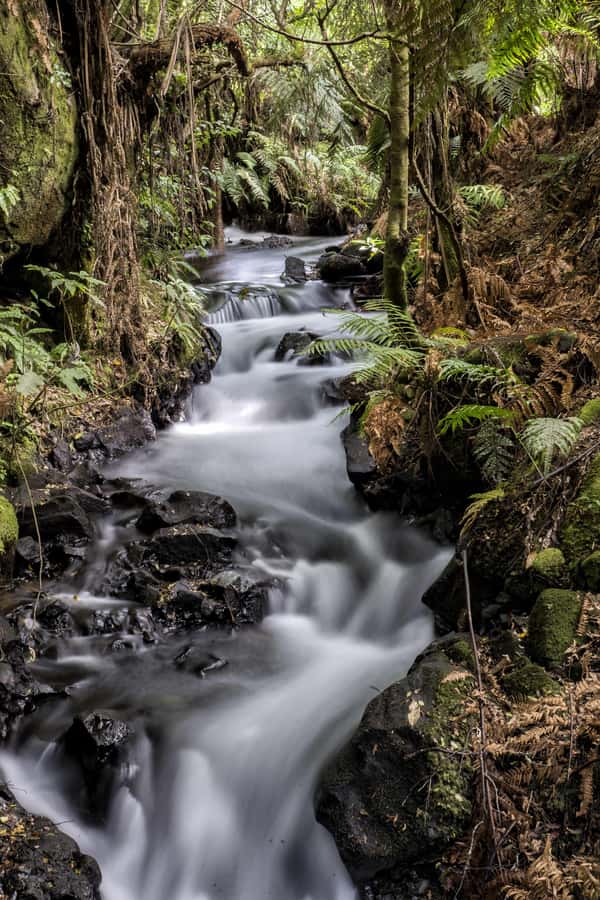
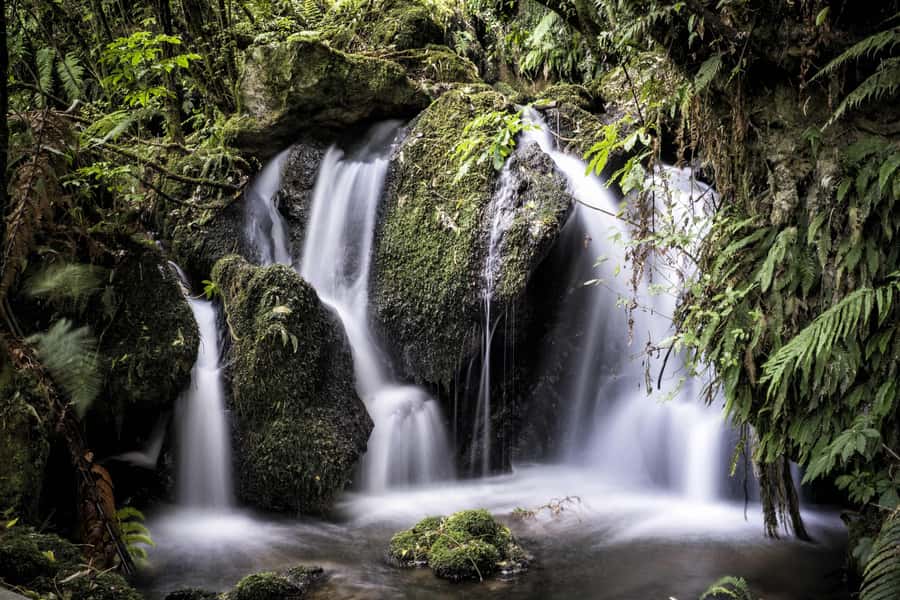
Let’s talk feet. The Te Wairoa Falls walk is one of the biggest reasons people love this stop. The trail takes you to the falls through native flora and offers the feeling of a landscape recovering after violent destruction.
Yes, there are stairs and steps. The good news is that it’s not an all-day endurance test. People describe it as a short walk, often around 10 to 15 minutes for the descent and ascent, but with a steep feel. If you’re going for the waterfall, bring shoes you trust.
And then you reach the payoff: you stand in the mist. That mist changes the mood. The waterfall stops being an image and becomes an experience, cooler air, damp clothes, and a sense that the water is really there, right in front of you.
If the weather has been wet, the waterfall can be spectacular. That’s the kind of variable you can’t control, but you can plan for with realistic expectations: check the day’s conditions in Rotorua, and if it’s been raining, expect more action at the falls.
Smith & Co cafe, scones, tea, and small rewards after walking
After walking and thinking hard about volcanic catastrophe, you’ll want something simple and warm. The onsite cafe, Smith & Co, is an easy reset.
You can find classic comfort-food options like scones with whipped cream and jam, Kiwi-style pastry pies, and Devonshire tea. Some visitors have also wrapped up the visit with lunch and coffee, which makes this feel less like a “quick stop” and more like a full half to full day experience you can actually sustain.
If you’re walking in colder weather, warm drinks help. And the cafe is also a nice place to slow down, especially if the museum got your brain running.
Optional add-ons, like dressing up and a VR experience
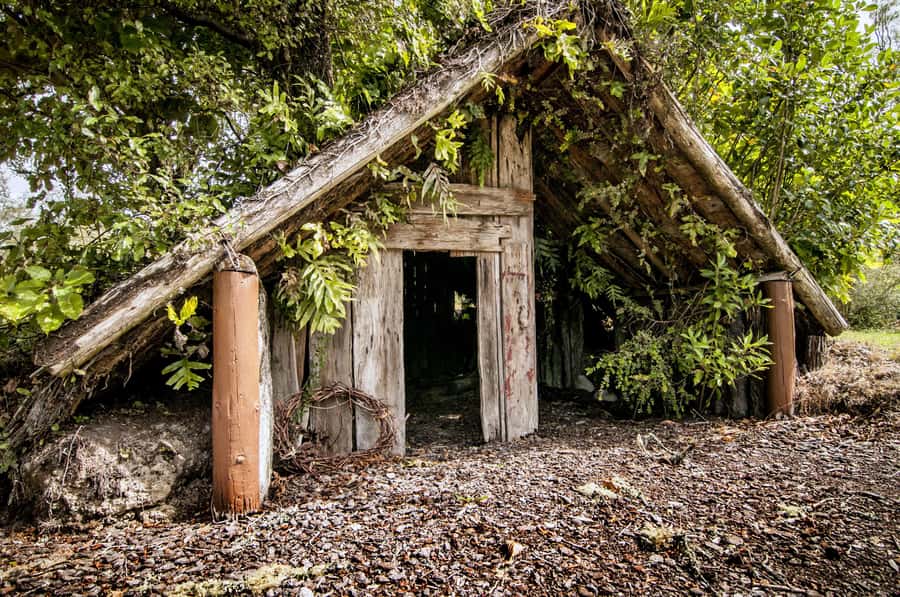
This is one of those sites where the historic theme isn’t only on the walls. You may have a chance to dress up in Victorian-style clothing, which sounds silly until you realize it’s a playful way to connect with the era the museum is talking about. It also turns the experience into something you can photograph without feeling like you’re forcing it.
There’s also mention of a VR experience option that some visitors considered worth the extra cost. I can’t promise it will be available during your visit, but if there is an option on-site and you’re curious about bringing the eruption story to life, it’s worth considering for your personal style.
Price and value: why $14 can feel like a bargain
At about $14 per person, Te Wairoa is priced in a way that makes it accessible. The value comes from variety: you’re getting museum entry, access to the archaeological sites, and access to the Te Wairoa Trail and Waterfalls in one place.
If your day in Rotorua includes multiple paid stops, this is the kind of ticket that helps you avoid “nickel and dimed” spending. You’re not just paying for one small exhibit. You’re paying for a full experience arc: inside context, outside exploration, and an outdoor payoff.
The only real “cost” is energy. The waterfall walk asks a bit from your legs. But that’s also why the views feel earned. If you come in with comfortable shoes and an honest expectation of a short but steep path, the value feels fair.
Who should book this, and who might skip
This is a great fit if you:
- want a Rotorua stop that goes beyond geothermal steaming and feels human-sized
- like archaeology and “how we know” stories tied to objects and place
- enjoy walking trails with a clear payoff at the end
- travel as a couple, solo, or with kids who might enjoy clue-style activities
You might think twice if you:
- have mobility limits that make stairs hard, because the waterfall trail does involve steps
- hate walking on uneven ground or underchanging light, since this is partly an outdoor site
Still, the broader site is wheelchair accessible, so it’s not an all-or-nothing situation. You can adapt how much you do based on your comfort.
Things to watch for (so you enjoy it more)
A few details can make a difference:
- Bring comfortable shoes with grip. The waterfall steps are the main challenge.
- Plan for chilly museum rooms with a light layer.
- Go for the waterfall if weather allows. Recent rain can make a big difference.
- Give yourself time for reading and photos. The site works best when you slow down.
If you want a smoother experience, I’d avoid cramming it into a tiny window between other Rotorua stops. It deserves its own block, even if it’s only a day.
Should you book the Buried Village of Te Wairoa?
Yes, I think you should book it if you want a Rotorua experience that’s memorable for more than scenery. For around $14, you get a top-notch museum experience, walking trails tied to the 1886 Mt. Tarawera eruption, and the misty reward of Te Wairoa Falls. The story is heavy, but the visit is upbeat in how it’s built: learn first, walk second, reward last.
If you enjoy local guides, look for the scheduled talk moments and listen for names like Marie when they’re mentioned. And if you’re up for it, make the waterfall trail part of your plan. That is the moment where Te Wairoa stops feeling like a lesson and starts feeling like a place.
FAQ
How long should I plan for the Buried Village of Te Wairoa?
Plan for at least 1 and a half hours so you can do the museum, walk the archaeological sites, and still enjoy the waterfall trail.
How much does the ticket cost?
The price is listed as $14 per person.
What is included with the entry?
Your ticket includes Buried Village of Te Wairoa entry, Museum of Te Wairoa entry, and access to the Te Wairoa Trail and Waterfalls.
What food and drinks are available onsite?
Food and drinks are not included, but they are available to purchase at the onsite cafe Smith & Co, including scones with whipped cream and jam, pastry pies, and Devonshire tea.
Do they provide hotel pickup and drop-off?
No, hotel pickup and drop-off are not included.
Where is the meeting point?
The meeting point is Buried Village of Te Wairoa, 1180 Tarawera Rd, Rotorua 3076, New Zealand.
Is the site wheelchair accessible?
Yes, the experience is wheelchair accessible.
What should I bring?
Bring comfortable shoes.
Rotorua Tours and Attractions, compared.
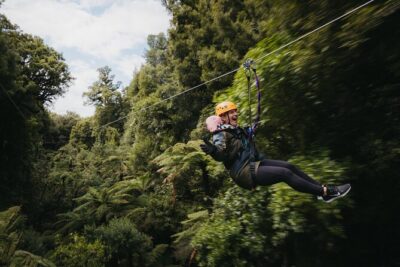 ★ 5.0Rotorua Canopy Tours: 2.5Hour Native Forest Zipline AdventureFrom $1234,563 reviews
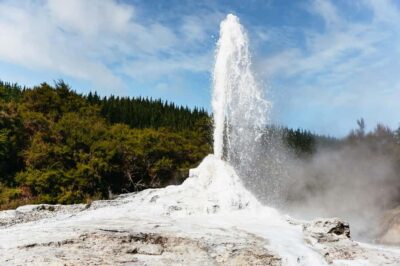 ★ 4.6Rotorua: Wai-O-Tapu Geothermal Park Entry TicketFrom $282,601 reviews
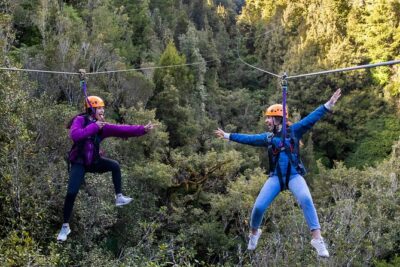 ★ 5.0Rotorua’s Ultimate Zipline: 6 ziplines, 400 m Tandem, Cliff WalkFrom $1662,557 reviews
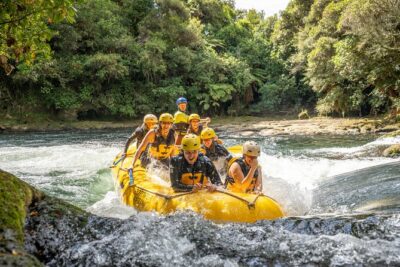 ★ 5.0Rotorua Rafting: Kaituna River White Water Rafting & Free SaunaFrom $831,952 reviews
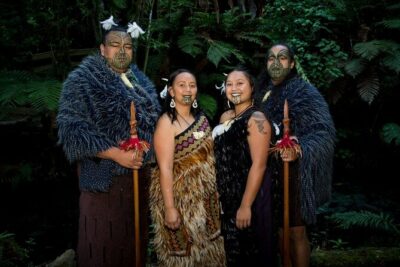 ★ 4.5Mitai Maori Village Cultural Experience in RotoruaFrom $1041,294 reviews
 ★ 4.8Rotorua: Te Pa Tu Māori Cultural Experience with DinnerFrom $1671,193 reviews
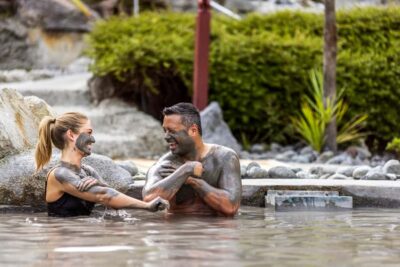 ★ 4.7Rotorua: Hell’s Gate Outdoor Mud Spa & Guided WalkFrom $681,140 reviews
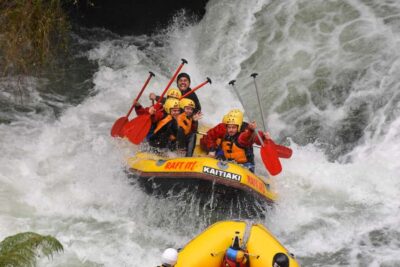 ★ 4.9Rotorua Rafting: Kaituna River White Water ExperienceFrom $49840 reviews
Browse the lists this tour appears in