
REVIEW · QUEENSTOWN TOURS AND DAY TRIPS
Kiwi Park Queenstown Admission
Kiwi viewing gets real, fast.
Kiwi Park Queenstown is a small, central wildlife park where you can see more than 20 native species, including New Zealand’s famous kiwi, plus tuatara. The big win is the all-day admission with a complimentary audio tour, so you can move at your pace instead of rushing between stops.
I especially like the way the park puts you close to wildlife you’d almost never spot on your own. Two standouts for me are the flight-feathered Conservation Show, where birds fly in an enclosed outdoor area, and the nocturnal kiwi experience that lets you see kiwis up close once your eyes adjust. You’ll also get a lot of learning per dollar thanks to included audio guidance and keeper presentations.
One thing to plan for: the kiwi enclosure is intentionally very dark. That’s normal for nocturnal viewing, but it can make the first few minutes feel underwhelming until you get used to the low light.
In This Review
- Key things to know before you go
- Getting Oriented at Kiwi Park in Central Queenstown
- Tickets, Hours, and How to Build a Smart Timing Plan
- Kiwi Park Grounds: More Than Just the Kiwi House
- New Zealand Conservation Show: Birds That Fly Free Over You
- Tuatara Encounter: Meet a Living Dinosaur
- Kiwi Encounters in the Nocturnal House: How to See More Than Shadows
- Forest Walk, Trout-Filled Streams, and the Conservation Story
- Price and Value: Is $39.72 Worth It?
- Practical Tips for a Smooth Visit (Especially in Dark Viewing)
- Should You Book Kiwi Park Queenstown Admission?
- FAQ
- How long is the Kiwi Park Queenstown Admission experience?
- What is the price per person?
- Is the ticket valid for the whole day?
- Is the audio tour included?
- What shows are included with admission?
- When do the Kiwi Encounters happen?
- When do the Conservation Shows happen?
- Is parking included?
- Are hotel pickup and drop-off included?
- What is the cancellation policy?
Key things to know before you go
- All-day ticket, self-paced audio tour: take your time across the exhibits instead of doing a quick walk-through
- Conservation Show with birds flying free: kakariki, kereru, and raptors are part of the spectacle
- Tuatara Encounter: meet a prehistoric-style reptile up close
- Nocturnal kiwi house viewing: multiple kiwi sessions throughout the day, with dim-light viewing
- Central location near the gondola: easy to pair with Skyline time when weather is bad
Queenstown has plenty left in it
- Queenstown: Walter Peak Gourmet BBQ & Lake Whakatipu Cruise
★ 4.8 · 2,713 reviews - Queenstown: Milford Sound Coach & Cruise Full-Day Trip
★ 4.7 · 2,592 reviews - Shotover River Extreme Jet Boat Ride in Queenstown
★ 5.0 · 2,540 reviews - Milford Sound Fly-Cruise-Fly Tour from Queenstown
★ 5.0 · 1,792 reviews
Getting Oriented at Kiwi Park in Central Queenstown
Kiwi Park sits in the middle of Queenstown, tucked into about 5 acres (roughly 2 hectares) of native bush. The result is a surprisingly natural-feeling park that still keeps logistics easy, especially if you want something to do between gondola rides or when the weather turns.
You’ll enter as a self-guided visitor, but you’re not truly left on your own. Admission includes a complimentary audio tour, plus scheduled features like keeper talks and wildlife shows. That combo matters, because it turns a short park visit into a “why this matters” experience, not just a bunch of cages.
Also, the park is designed for day-long wandering. If you arrive early, you can catch one set of kiwi viewing and still have time for other exhibits and shows without feeling chased.
Tickets, Hours, and How to Build a Smart Timing Plan
The admission price is $39.72 per person, and the experience usually takes about 2 to 3 hours if you focus on the main highlights. Your ticket is a mobile ticket, and your admission is valid for the entire day, which is a real value booster if you want flexibility around showers, crowds, or your energy level.
Hours run 9:30 AM to 5:30 PM daily. That’s helpful because it gives you options: you can do a quick late-afternoon visit, or you can go for a full loop in one go.
The park schedules two big attractions:
- Kiwi Encounters at set times
- Conservation Shows a few times per day, depending on the season
Kiwi Encounters run multiple times from 10 AM onward. In Oct to April you’ll see sessions at 10:00, 11:00, 12:15, 1:00, 2:15, 3:00, 4:15, and 5:00. In May to Sep the sessions start at 10:00, 11:00, 12:15, 1:00, 2:00, 3:45, and 4:30 (the exact listing includes slightly different late-day timing).
Conservation Shows run:
- 11:30 AM, 1:30 PM, and 3:30 PM in Oct to April
- 11:30 AM and 3:00 PM in April to Sep
My practical suggestion: build your visit around whichever show time you want most, then fill in the gaps. If you start with the Conservation Show, you’ll have a smoother run toward kiwi viewing after, when your brain is already in conservation mode. If you start with kiwi viewing, you’ll likely want to save the Conservation Show for later, while your eyes are adjusted to indoor darkness patterns.
Kiwi Park Grounds: More Than Just the Kiwi House
Yes, the kiwi is the star. But the rest of the park is worth your time, especially because it’s designed for close viewing and learning, not just quick photo stops.
Across the grounds, you’ll find a mix of native bird exhibits and other wildlife, including a tuatara encounter (more on that later). The park’s paths make it easy to loop through the exhibits, and several features are geared for families, including clear signage and audio support.
One detail that matters for planning: expect some steeper sections. A few paths can be challenging if you have mobility limits or you’re traveling with strollers. Comfortable shoes are a must, even if this is marketed as a relaxed family activity.
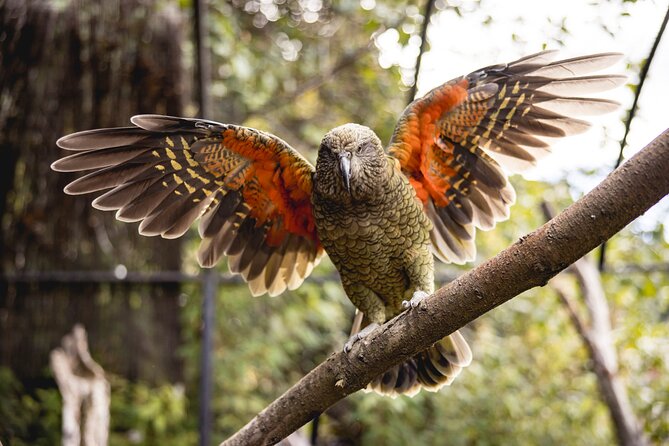
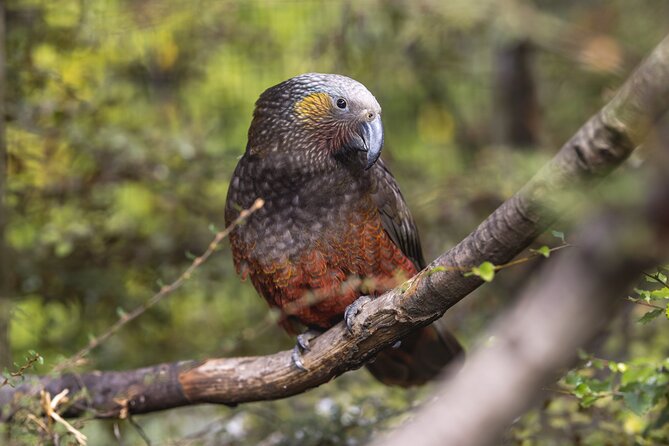
If you like bird watching, you’ll also get the fun bonus feeling of seeing New Zealand birds you’d never realistically locate in the wild. That includes birds with bright color and distinct personalities, like the kea exhibit many visitors rave about.
New Zealand Conservation Show: Birds That Fly Free Over You
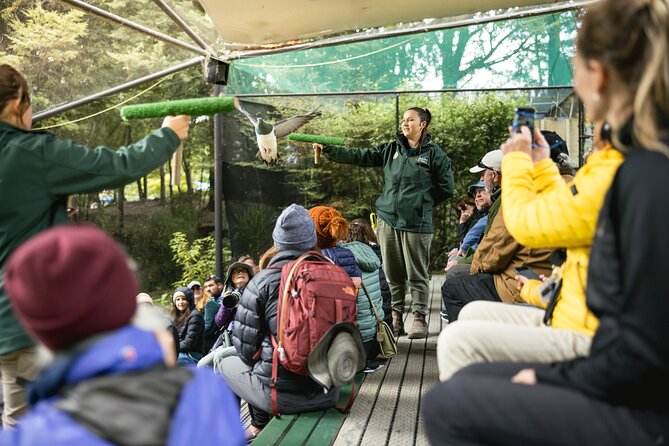
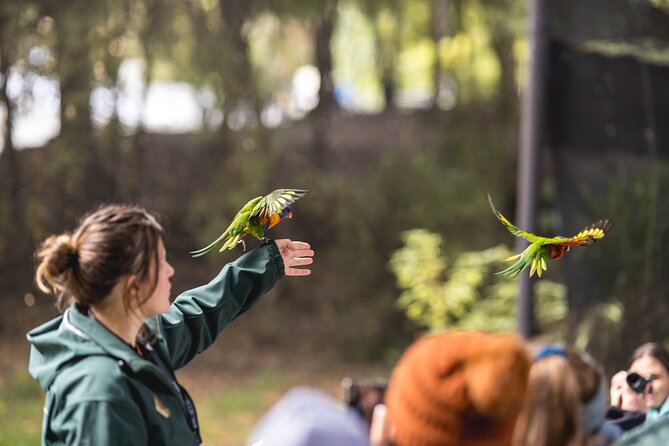
This is one of the best “wow” moments in the whole park. The New Zealand Conservation Show happens in an outdoor area enclosed in netting, so birds can fly while keeping everything safe and controlled.
Depending on the show, you’ll see native species such as:
- kakariki (a parakeet type)
- kereru (a New Zealand pigeon)
You’ll also learn about other animals featured around the park, including:
- pateke (a type of duck)
- buff weka (a flightless bird)
- Antipodes Island parakeets
And, if raptors are part of the day’s lineup, you’ll get an up-close look at birds of prey during the presentation.
Timing tip: these shows happen two or three times daily depending on season. If you’re only visiting once and you’re serious about the show, check the schedule right when you arrive and don’t assume you’ll “catch the next one.” The park moves fast once you’re inside because there are multiple kiwi session times too.
What I like about this show is that it gives context. Instead of only saying kiwis are endangered, it shows how conservation works across species, from birds that fly to birds that stay hidden.

Tuatara Encounter: Meet a Living Dinosaur
If your group wants one more hands-on highlight beyond birds, the Tuatara Encounter delivers. Tuatara are prehistoric reptiles, and the park frames them as a living dinosaur, which is a helpful way to understand why they’re such a big deal in New Zealand wildlife circles.
You don’t need to be a reptile expert to appreciate it. The value here is simple: it broadens your wildlife experience beyond birds, and it makes the park feel like a true conservation setting instead of a single-species attraction.
You’ll also likely find it a great stop for kids and teens, because it’s different from the dark-room kiwi viewing. It adds variety to a visit that otherwise centers on waiting, listening, and learning about nocturnal life.
Kiwi Encounters in the Nocturnal House: How to See More Than Shadows
This is the heart of Kiwi Park, and it’s also where expectations need a little calibration.
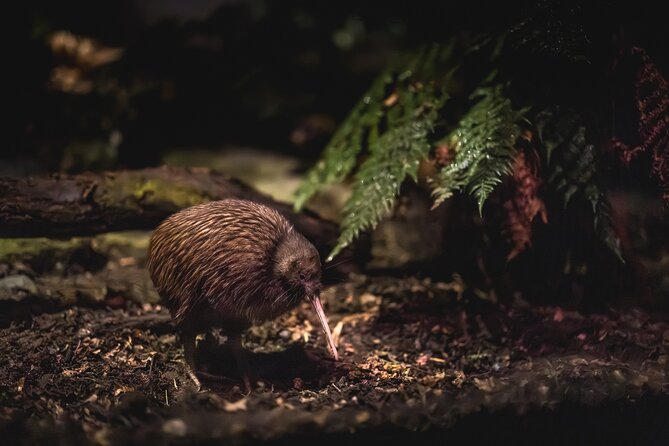
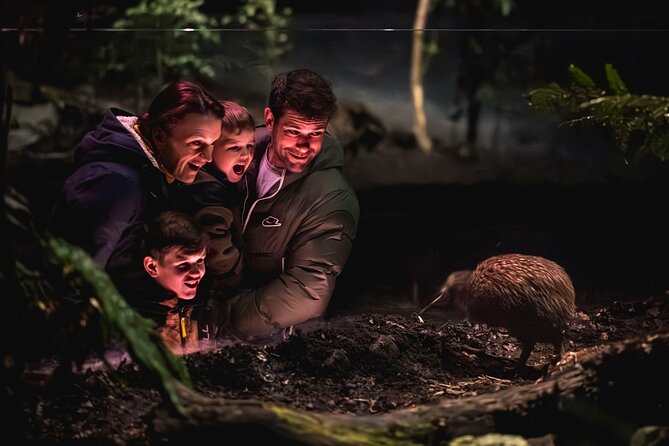
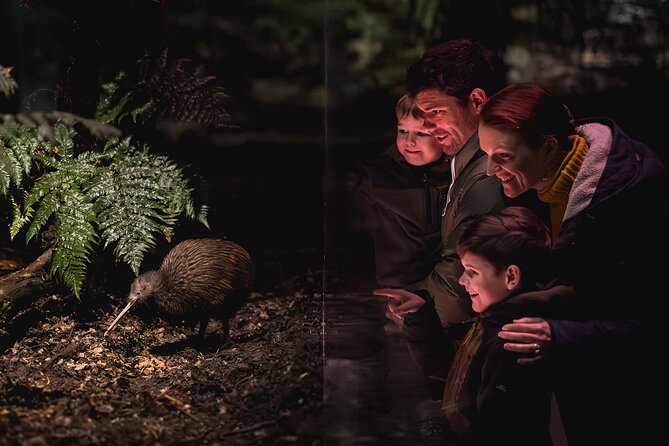
Kiwi Encounters take place in specially designed nocturnal enclosures. Because kiwis are nocturnal, the lighting is very dim, and that’s intentional. One of the most common frustrations I hear from visitors is that the first minute or two can look like you’re watching shadows. Once your eyes adjust, you’ll start spotting movement and behavior.
The experience includes kiwi feedings and viewing of burrow-style underground preferences, which helps you understand why these birds are so hard to see in the wild. You’re not just viewing an animal, you’re learning how the kiwi lives, sleeps, and hunts in darkness.
If you want the best odds of seeing more, show up with patience. Keep your voice low in the viewing area and let your eyes settle. Dark viewing sounds easy until you’re actually there, so give it time before deciding it’s not working.
It also helps to aim for earlier sessions if you’re visiting mid-day. People who went early often report smoother viewing once their eyes adjust to the low light. Even if you can’t do the earliest slot, being relaxed and not rushing makes a noticeable difference.
Forest Walk, Trout-Filled Streams, and the Conservation Story
Outside the kiwi and show spaces, you’ll get a calmer, more natural segment of the park. The forest walk takes you past trout-filled streams, and it’s also where the conservation message turns practical.
The park explains conservation efforts that include:
- rehabilitation of injured wildlife
- breeding kiwis for release back into the wild
This part of the visit is valuable because it connects what you’re seeing to why the park exists. You’re not just paying to watch animals, you’re supporting a system that tries to improve survival for threatened species over time.
If you’re the type who likes meaning with your entertainment, don’t skip this walk. It’s also a good reset if the dark kiwi viewing leaves you a bit frazzled or if you want a gentler pace after a more energetic show.
Price and Value: Is $39.72 Worth It?
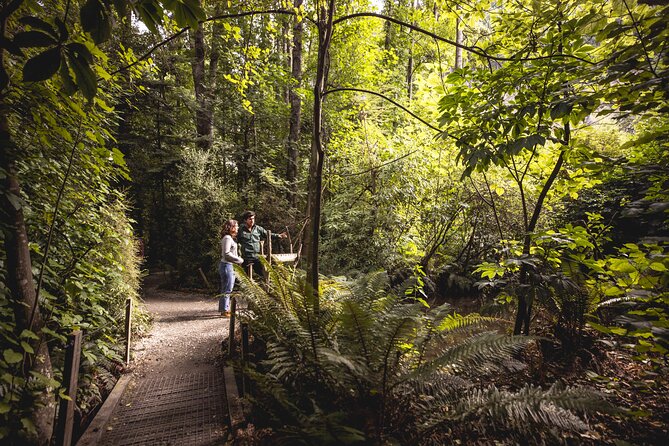
At $39.72 per person, Kiwi Park Queenstown isn’t the cheapest activity in town. But it can be good value when you compare it to what you get included.
For your ticket, you’re paying for:
- all-day admission (you can time kiwi viewing and shows without being locked into one tiny window)
- a complimentary audio tour
- scheduled conservation content included in the day
That’s a strong deal structure for a short visit because you can spread your time across multiple included experiences. You’re also supporting conservation work tied to the species you came to see.
Where the value question comes in is the size of the park. It’s not huge, so if you’re expecting a massive outdoor safari-style circuit, you might wish there were more exhibits per visit. Also, because kiwi viewing is dim by design, you may feel the experience depends on your patience and viewing conditions.
If you plan smart and treat it as a wildlife-and-conservation stop, it usually lands as worth the spend.
Practical Tips for a Smooth Visit (Especially in Dark Viewing)
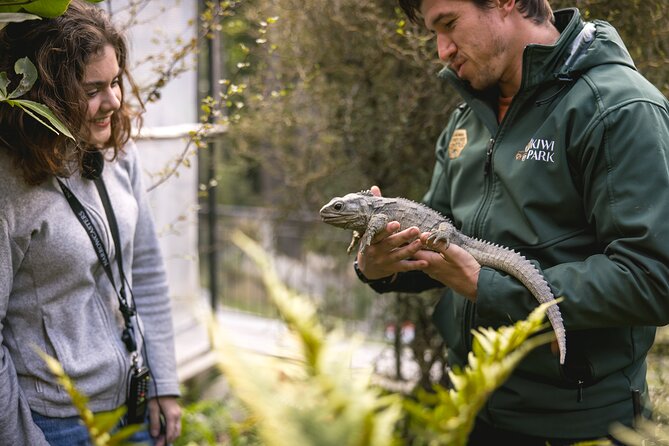
Here are the details that help your day go better.
Wear sun protection and bring comfortable walking shoes. Even though the park is only a short total distance for most visitors, you’ll be on your feet and the terrain includes some steeper parts.
Go quiet during kiwi viewing. Sound carries, and the whole point is to let you watch behavior without distracting the animals.
Use the audio guide early. It helps you understand what you’re looking at, and it makes the whole park feel more purposeful, especially once you move into the dark kiwi area and the conservation show topic changes gears.
If you’re traveling with kids, the audio equipment can be friendly for younger listeners, including language options like Mandarin mentioned by visitors. That can turn the visit into a calmer experience rather than a constant translation job.
Finally, give yourself time to adjust. The kiwi enclosure is extremely dark, and the experience often improves after your eyes adapt. Rushing that first moment is the fastest route to feeling disappointed.
Should You Book Kiwi Park Queenstown Admission?
Book it if you want a focused, family-friendly wildlife experience in central Queenstown, especially if you care about conservation and you’re determined to see kiwi in a darkened viewing house. The combination of an all-day ticket, free audio guidance, the Conservation Show with birds flying free, and the chance to meet tuatara makes this one of the more complete short-day options.
Don’t book if you need bright, always-visible animal viewing, because the kiwi experience is intentionally dim. Also, if you’re expecting a giant park with endless trails, you may feel the visit is short for the price.
If you’re flexible on timing and you can plan around the Conservation Show and Kiwi Encounters sessions, Kiwi Park is a strong choice for rainy or cold days when you want something indoor-friendly, but still genuinely outdoorsy.
FAQ
How long is the Kiwi Park Queenstown Admission experience?
It’s approximately 2 to 3 hours.
What is the price per person?
The price is $39.72 per person.
Is the ticket valid for the whole day?
Yes. Your admission ticket is valid for the entire day.
Is the audio tour included?
Yes. A complimentary audio guide is included.
What shows are included with admission?
The New Zealand Conservation Show is included, along with kiwi viewing and keeper presentations.
When do the Kiwi Encounters happen?
Kiwi Encounters run multiple times a day. In Oct to April, sessions include 10:00, 11:00, 12:15, 1:00, 2:15, 3:00, 4:15, and 5:00. In May to Sep, sessions include 10:00, 11:00, 12:15, 1:00, 2:00, 3:45, and 4:30.
When do the Conservation Shows happen?
In Oct to April, shows are at 11:30 AM, 1:30 PM, and 3:30 PM. In April to Sep, shows are at 11:30 AM and 3:00 PM.
Is parking included?
No. Parking is not included.
Are hotel pickup and drop-off included?
No. Hotel pickup and drop-off are not included.
What is the cancellation policy?
Free cancellation is available. You can cancel up to 24 hours in advance for a full refund. Canceling less than 24 hours before the start time does not get a refund.
Everything Else We Wrote Up in Queenstown



Still in Queenstown? Keep Going
Just added to our Queenstown notes
- Queenstown: Whimsical Sensory Night Walk at LUMA Enchanted★ 5.0 · 6 reviews
- Queenstown to Tekapo Small Group Tour One Way★ 4.6 · 6 reviews
- Queenstown: Helicopter & Wine Tasting Tour★ 5.0 · 6 reviews
- Lake Wakatipu: 3 Hour Fishing Adventure by Boat★ 5.0 · 6 reviews
- Queenstown International Airport To and From City Center Transfer★ 5.0 · 7 reviews
- Milford Sound Tour: Cruise & Flight★ 5.0 · 7 reviews
Queenstown Tours and Day Trips, compared.
 ★ 5.0Premium Milford Sound Small Group Tour & Cruise from QueenstownFrom $2163,001 reviews
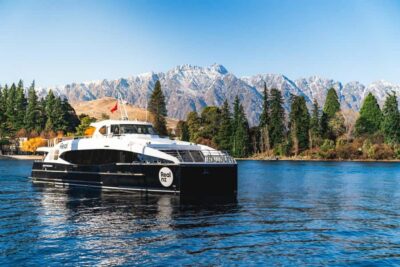 ★ 4.8Queenstown: Walter Peak Gourmet BBQ & Lake Whakatipu CruiseFrom $952,713 reviews
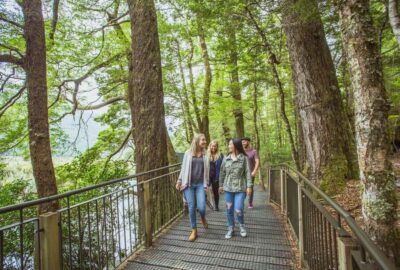 ★ 4.7Queenstown: Milford Sound Coach & Cruise Full-Day TripFrom $1442,592 reviews
 ★ 5.0Shotover River Extreme Jet Boat Ride in QueenstownFrom $1132,540 reviews
 ★ 5.0Milford Sound Fly-Cruise-Fly Tour from QueenstownFrom $4621,792 reviews
 ★ 4.7Queenstown: Shotover River and Kawarau River Jet Boat RideFrom $891,682 reviews
 ★ 4.9From Queenstown: Milford Sound Full-Day Trip by Plane & BoatFrom $4471,558 reviews
 ★ 5.0Queenstown: Lake Wakatipu Scenic Cruise (90 Minutes)From $491,462 reviews
Browse the lists this tour appears in