
REVIEW · WINE TOURS
Gibbston Valley Wines – Cave Tour
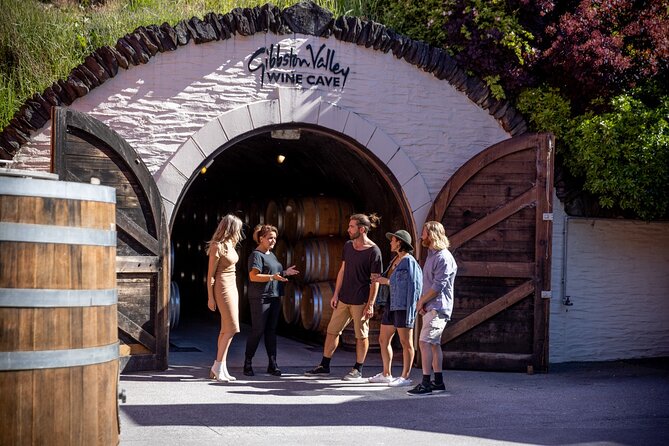
Wine caves feel like time machines. At Gibbston Valley Wines, you get a quick visit into New Zealand’s largest wine cave plus three wine tastings of current releases, all wrapped with Central Otago wine context. The one drawback is simple: at about 30 minutes, it is not long enough if you want a slow, in-depth tasting session.
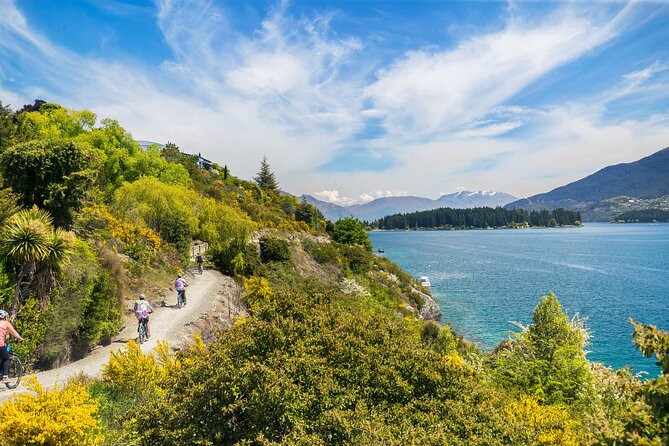
I like how this tour connects the cave experience to the place itself. Central Otago is famous for pinot noir, and Gibbston is often called the Valley of the Vines, with vineyards between rugged mountains and the Kawarau River gorge. Inside the cave, it stays at a steady 14°C all year, which makes the short tour comfortable even when the weather outside is doing its own thing.
In This Review
- Key things you will notice right away
- Central Otago wine, explained through a real wine cave
- Price and timing: what $17.38 buys you in 30 minutes
- Where to meet at Gibbston Valley Winery (and why the location helps)
- Inside New Zealand’s largest wine cave, with a steady 14°C
- The three tastings of current releases, and how to taste smarter
- Alan Brady’s 1983 first vines: why this detail matters
- Group size, hosts, and making it feel personal
- How to fit this tour into a Central Otago day
- Who should book the Gibbston Valley Wines cave tour
- Should you book this wine cave tour?
- FAQ
- How long is the Gibbston Valley Wines cave tour?
- What is the price per person?
- How many wine tastings are included?
- Where does the tour start and finish?
- Is this tour a mobile ticket experience?
- How many people are in the maximum group?
- Is confirmation provided at booking?
- Can I cancel for free?
- Are service animals allowed?
- What temperature should I expect inside the wine cave?
Key things you will notice right away
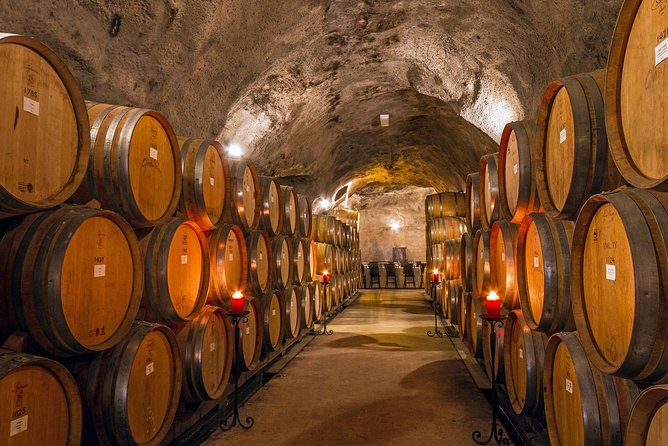
- New Zealand’s largest wine cave with a steady, comfortable temperature around 14°C
- About 30 minutes total, focused on cave time plus three tastings of current releases
- Your cellar door host shows the region’s first vines, planted in 1983 by Alan Brady
- Central Otago pinot noir context, so your tastings come with real meaning
- Small-group setup, up to 20 travellers, which keeps the experience from feeling rushed
- Mobile ticket makes check-in easy on the day
More Central Otago pinot on the list
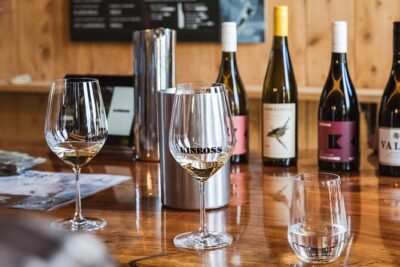
- Kinross Winery: Classic Central Otago Wine Tasting Experience
★ 5.0 · 12 reviews
Central Otago wine, explained through a real wine cave
If you like your travel experiences to have a “you can touch it” quality, this one works. You are not just standing in a tasting room. You step into a wine cave that is part of how these wines are made and stored, and that makes the tasting feel more grounded.
Gibbston Valley Wines sits in a region shaped by mountains and river gorges. That setting matters because it helps explain why Central Otago has a strong identity, especially with pinot noir. You also get the origin story tied to the vineyards, including the first vines planted in 1983 by the founder and wine pioneer Alan Brady.
One thing I appreciate is that the tour does not pretend wine history is only for experts. The goal is understanding, not a pop quiz. By the time you finish, you should have a clearer sense of why Gibbston tastes the way it does, and why locals talk about the place like it is its own little world.
Price and timing: what $17.38 buys you in 30 minutes
At $17.38 per person, the value comes from the structure. You are paying for a short guided cave visit plus three tastings, which is a pretty efficient combo if you are squeezing in Queenstown and Central Otago around other plans.
The timing is about 30 minutes. That is fast, yes, but it can be a good thing. When you are traveling, you want “worth it” time blocks that do not steal your whole afternoon. This tour is built for that. You get the cave setting, you get the tasting, and you still have time to explore the rest of Gibbston Valley at your own pace.
The main consideration is what you want out of wine. If your idea of a perfect visit is lingering over a lineup with lots of back-and-forth, a 30-minute format may feel brief. If you want a smart overview and a couple of solid samples right where the story happened, this price and timing fit well.
Where to meet at Gibbston Valley Winery (and why the location helps)
You start and finish back at Gibbston Valley Winery & Restaurant, 1820 State Highway 6, Queenstown 9371, New Zealand. Knowing that matters because you are not hunting down a distant pickup point and then changing plans mid-day. You can park, walk in, and keep your schedule clean.
This location also gives you flexibility. The winery complex includes spaces you can use before or after your tour, including dining and a cheese shop area. Even if your actual guided time is short, you can still make a half-hour stop feel like part of a bigger outing.
Another practical point: the tour uses a mobile ticket. That is handy if you are already living out of your phone for boarding passes and museum entry codes.
Inside New Zealand’s largest wine cave, with a steady 14°C
The star of this experience is the cave itself. It is described as New Zealand’s largest wine cave, and you feel that scale as soon as you are inside. The setting changes the whole mood, from “bright daytime winery” to quiet underground cool.
That temperature is a big deal. One review note that it stays at a consistent 14°C. In plain terms, you are not guessing whether the cave will be too cold for comfort. It is regulated in a way that makes a short visit pleasant year-round, whether you are coming from hot summer air or cold winter streets.
This kind of cave stop is more than aesthetic. It also helps you understand what wine caves are for: storage and stability. Even when the tour is short, you get the sense that the environment is part of the winemaking story.
One small caveat to keep in mind: because the tour is compact, the cave time is not a long wander. It is guided, focused, and meant to move you through key points without turning it into an all-day attraction. If you want to roam on your own, plan a bit of extra time around your tour window.
More cellar doors around South Island
The three tastings of current releases, and how to taste smarter
You will get three wine tastings as part of the tour, described as current releases. That is a great approach for two reasons.
First, you taste what is actually available now, not a lineup chosen only for visitors. Second, three tastings is enough to start forming opinions. You can compare styles and pick favorites without leaving the session overwhelmed.
If you want to taste with intention, here are a few simple tactics that make the three pours feel more valuable:
- Pace yourself. You are in a cave, cool air can make you feel slower, so take a sip, breathe, then move on.
- Pay attention to the pinot noir connection. Gibbston is well known for pinot noir, so see how what you taste fits that regional identity.
- Use the host’s explanations as your tasting guide. When someone points out why a wine is built a certain way, your palate tends to catch up faster.
You may also find the experience more generous when the group is smaller. One review shared that when their group was only four people, the host added a few extra tastings. I would not count on extra pours, but it tells you something important: small-group dynamics can make the tour feel more personal, and your host can have a little more time to be flexible.
Alan Brady’s 1983 first vines: why this detail matters
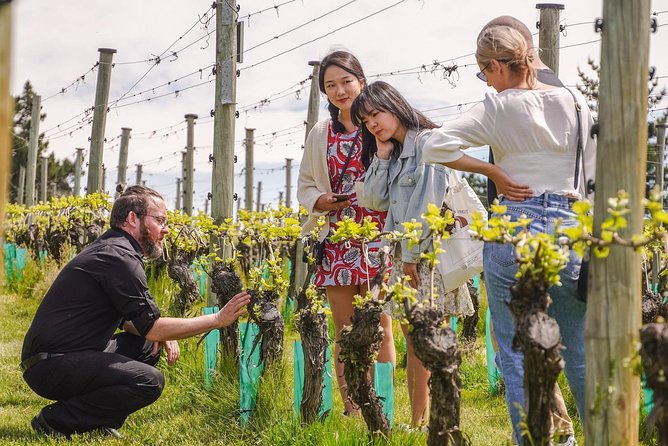
After the cave portion, you shift from underground cool to the vineyard story. Your cellar door host takes you to the region’s first vines, originally planted in 1983 by founder and wine pioneer Alan Brady.
This part is valuable because it answers the “why now?” question behind the wine. Central Otago did not become famous overnight. The vines started with a real decision, a real beginning, and a real person who helped shape what came after.
Standing near old plantings also makes the story feel less like a brochure and more like a living timeline. You see that these vineyards have had decades to prove themselves, which helps explain why current releases can carry that long-term regional character.
The takeaway for you: even if you are not a wine nerd, knowing that origin point helps you drink with context. You are not tasting randomly. You are tasting a place that started in the early days, then grew into the reputation it has today.
Group size, hosts, and making it feel personal
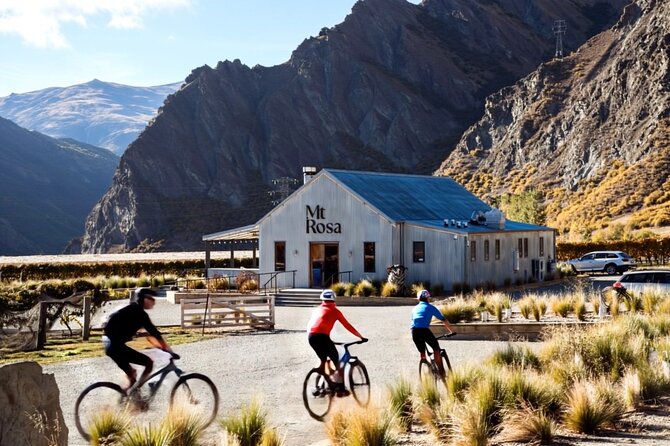
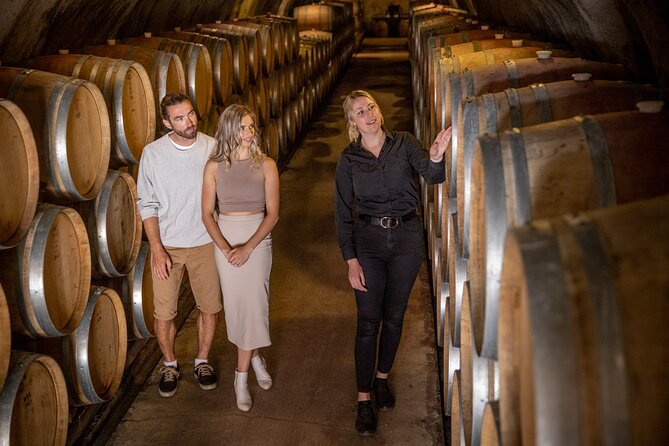
This tour caps at a maximum of 20 travellers, and that ceiling matters. Smaller groups typically mean less waiting, more time for questions, and a smoother back-and-forth inside the cave.
One review also mentioned the tour felt more personal because their group was only four. That is a good reminder to you: if you prefer a quieter, less crowded experience, choose tour times that usually attract fewer people, like mid-morning or late afternoon when available.
I also like that the tour is guided by a cellar door host. That role tends to be practical. Instead of speeches, you get explanations tied directly to what you are seeing and tasting: cave function, vineyard beginnings, and why Gibbston’s pinot noir reputation has real roots.
Bring simple questions and you will get more out of it. For example:
- Which style should I try if I like lighter pinot noir?
- What should I notice in the tasting that ties to the region?
Your questions help the host steer the experience toward your interests, especially in a small group.
How to fit this tour into a Central Otago day
This is a short, targeted activity. Think of it as a “core stop” rather than the whole day.
A smart way to plan is to use the cave tour as your anchor, then build around it. Afterward, you can keep exploring the Gibbston area at your own pace, with the winery complex already there as your base. If you are also pairing with other Queenstown or Central Otago stops, the 30-minute runtime helps you avoid travel-day stress.
If you are visiting during peak season, this format can be a lifesaver. You get a meaningful experience without the long queues that sometimes come with bigger attractions.
The only caution I would flag is pace. Because it is short, you might be tempted to rush your own enjoyment. Don’t. Give yourself enough time to reach the meeting point comfortably and to settle into the cave rather than arriving breathless.
Who should book the Gibbston Valley Wines cave tour
I think this tour is a strong fit for:
- Wine lovers who want a quick, high-value intro to Gibbston and Central Otago
- Pinot noir fans who want the regional story behind what they drink
- People who like guided experiences but do not want a half-day commitment
- Travellers who value a small-group feel without complicated logistics
You might skip it if wine tastings are not your focus, because the tour is built around the cave visit plus three tastings. And if you want a long tasting session with lots of different pours, you may prefer spending more time at a cellar door after this quick introduction.
That said, this is one of those “do it once, then talk about it later” experiences. The cave setting is distinct, and the 1983 first-vines detail gives you something concrete to remember.
Should you book this wine cave tour?
Yes, I would book it if you want a straightforward, well-paced taste of Central Otago wine culture. For $17.38, you get New Zealand’s largest wine cave, three tastings, and a real origin story tied to Alan Brady’s 1983 vines. The short 30-minute format respects your time, and the stable 14°C cave environment makes it comfortable year-round.
If you are the type who prefers deep tasting menus and long, unhurried sessions, plan to pair this with extra time at the winery grounds afterward. Otherwise, this is an efficient, meaningful stop that hits the essentials without dragging.
FAQ
How long is the Gibbston Valley Wines cave tour?
The tour lasts about 30 minutes.
What is the price per person?
The price is $17.38 per person.
How many wine tastings are included?
You get three wine tastings of the winery’s current releases.
Where does the tour start and finish?
It starts at Gibbston Valley Winery & Restaurant, 1820 State Highway 6, Queenstown 9371, New Zealand, and it ends back at the meeting point.
Is this tour a mobile ticket experience?
Yes, the tour uses a mobile ticket.
How many people are in the maximum group?
The maximum group size is 20 travellers.
Is confirmation provided at booking?
Yes, confirmation will be received at the time of booking.
Can I cancel for free?
Yes. You can cancel up to 24 hours in advance for a full refund.
Are service animals allowed?
Yes, service animals are allowed.
What temperature should I expect inside the wine cave?
The cave is described as staying at a consistent 14°C all year round.
The Wider South Island Shortlist


Everything Else We Wrote Up in South Island


More Central Otago Pinot
Just added to our South Island notes
- Kinross Winery: Classic Central Otago Wine Tasting Experience★ 5.0 · 12 reviews
- E-Bike Hire with Return Shuttle from Queenstown Accommodation★ 5.0 · 21 reviews
- Takaka: Farewell Spit/Abel Tasman Scenic Flight★ 5.0 · 21 reviews
- Queenstown Sightseeing Tour: Highlights of Queenstown★ 5.0 · 24 reviews
- Arrowtown Mountain Bike Hire★ 5.0 · 36 reviews
- Private Self Drive Xtreme 30 and X Track Activity★ 5.0 · 51 reviews
Wine Tours, compared.
 ★ 5.0Waiheke island Wine Tours – PREMIUM wine tasting MAX 11 clients !From $1551,378 reviews
 ★ 5.0Boutique Wine Tour – visit Central Otago, 4 Wineries & LunchFrom $173673 reviews
 ★ 5.0Award Winning Premium Wine Tour Queenstown Tasting at 4 WineriesFrom $164632 reviews
 ★ 5.0Waiheke Island Premium Wine Tour with TastingsFrom $111504 reviews
 ★ 4.5Taste of Waiheke Food and Wine TourFrom $179465 reviews
 ★ 4.5Waipara Wine Tour from Christchurch – including Lunch & TastingsFrom $117462 reviews
 ★ 5.0Half Day Martinborough Winery Tour from WellingtonFrom $114454 reviews
 ★ 5.0Beyond the Vines – Full-Day Marlborough Wine Tasting TourFrom $136438 reviews
Browse the lists this tour appears in