
REVIEW · CHRISTCHURCH TOURS AND ATTRACTIONS
Christchurch: Waka Paddling Experience on the Avon River
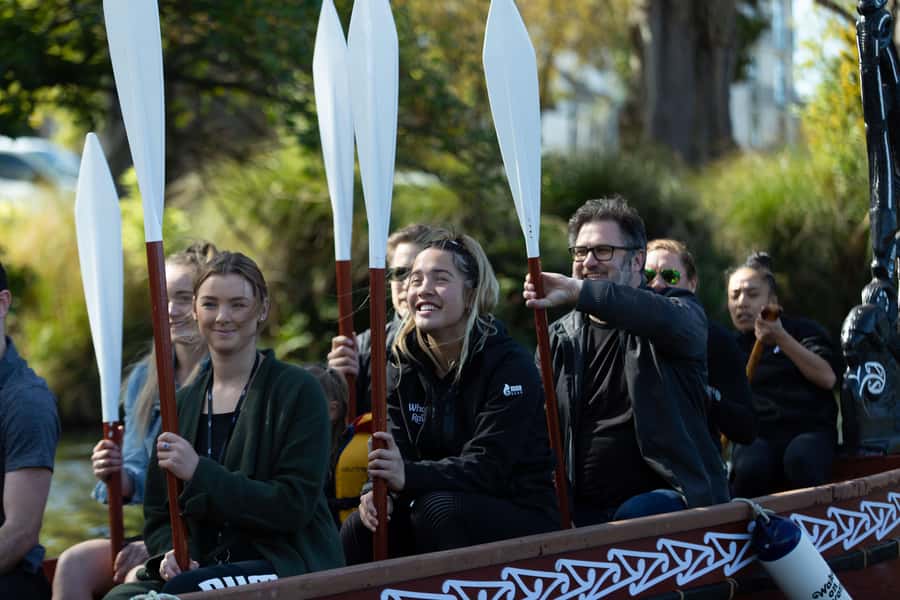
A canoe ride with meaning, not just motion. You paddle a traditional waka on the Ōtākaro Awa (Avon River), and your guide frames what you are doing with Māori tradition, starting with a mihi welcome. I like that it is hands-on and active, not just a talk from the shore, and I also like the water-level views of Christchurch sliding past as you go. One consideration: the route stays relatively close to the start, so this is not a long-distance paddling outing.
Guides such as Stella and Thomas keep the stories clear in English, and they connect the waka, the river, and the surrounding lands to Christchurch’s wider journey. You will leave with a better sense of how the river fits into the city’s past, and you will probably remember details longer than you expect. Just come ready to wear comfortable clothes you can move in, because this is practical paddling time, not a museum visit.
In This Review
- Quick hits to know before you go
- Waka on the Avon: why this feels different from a typical boat tour
- 794 Colombo Street: getting oriented before you step into the waka
- Onboard with the Kaitahutū and Kaiārahi: what the guide is really doing
- The 1-hour paddling flow: effort, comfort, and what you should expect
- Christchurch and the river story: what you will remember after you land
- Views from the water: practical take on the scenery and comfort
- Price and value: is $59 worth it for a one-hour waka?
- What to bring (and what not to), so the hour stays fun
- Who should book this waka experience, and who should skip it
- Should you book? My practical recommendation
- FAQ
- How long is the Christchurch waka paddling experience?
- Where does the tour start?
- Is there a greeting included?
- Is the tour guided?
- What should I bring?
- Are food and drinks included?
- Can children take part?
- Is it suitable for non-swimmers?
- What is the tour provider and language?
- Can I cancel for a refund?
Quick hits to know before you go
- Mihi greeting as part of the start, so you begin with context, not instructions.
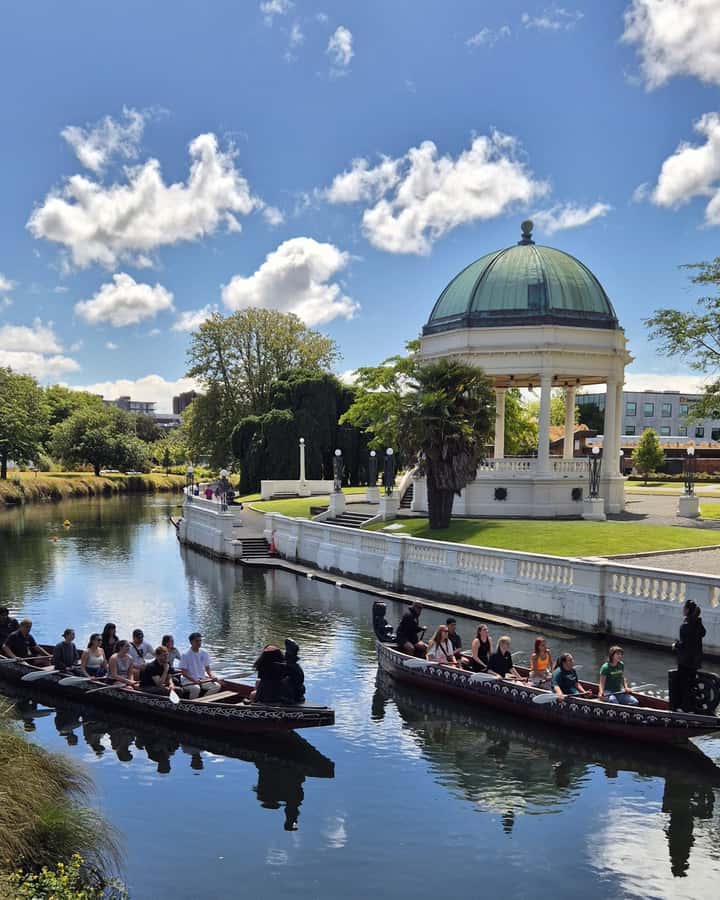
- Traditional waka paddling with your guide and skipper sharing the route and meaning behind it.
- Ōtākaro Awa views from the water, with Christchurch scenery unfolding alongside the river.
- Christchurch 170-year story framing, so the city feels more connected than before.
- Stays close to shore, which makes it beginner-friendly but not a marathon down the river.
Around Christchurch, a few more we rate
- Christchurch Hop-On Hop-Off Tram
★ 4.5 · 841 reviews - Christchurch Gondola and Tram City Tour Combo
★ 4.5 · 725 reviews - Christchurch: Hop-On Hop-Off Tour by Vintage Tram
★ 4.6 · 717 reviews - Christchurch: Tram, Punt and Gondola Ride Combo Ticket
★ 4.7 · 608 reviews
Waka on the Avon: why this feels different from a typical boat tour
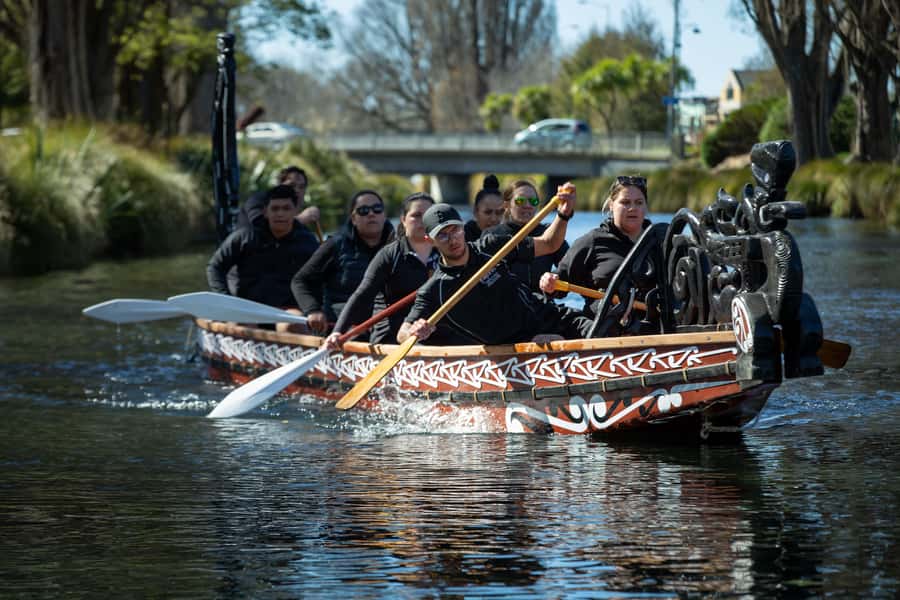
This is one of those Christchurch experiences that works because it mixes two things people often do separately: movement and meaning. You are not sitting still while someone points and explains. You are paddling, and your guide ties that effort to the waka as an important part of Māori culture and to the river itself.
I like that the tone stays respectful and grounded. You get an official greeting, then the guide helps you understand what you are seeing and why it matters. That matters because the Avon River is not just scenery in this part of New Zealand, it is part of the story of where people live and how they move through the city.
The practical upside is that it is short. A one-hour format means you are likely to stay engaged the whole time, without that post-lunch energy drain that hits when tours run too long. You should still expect some effort, especially if you have not paddled before, but the whole event is designed to be doable.
794 Colombo Street: getting oriented before you step into the waka
You meet at 794 Colombo Street in central Christchurch. That location makes it easy to pair with other downtown plans, since you are not forced into a half-day logistics puzzle just to get to the river.
The start includes an official mihi greeting. If you have ever felt a tour was missing a sense of place, this is the fix. You do not just show up and grab a seat. You are welcomed, briefed, and then brought onto the waka with an understanding of the setting and the purpose of the experience.
Arrive about 15 minutes early. This is not the time to be fashionably late. The greeting and the initial overview need a little breathing room, and you will want a moment to get comfortable in your clothes and hat before you are asked to focus on paddling.
Onboard with the Kaitahutū and Kaiārahi: what the guide is really doing
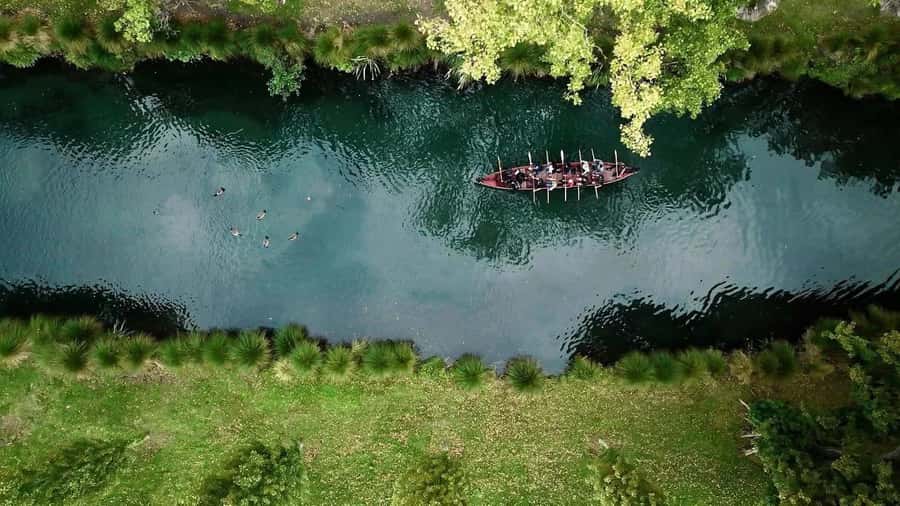
Once you are onboard, your Kaitahutū and Kaiārahi (guide and skipper) guide the experience in two directions. You get the physical part of navigating and paddling together, and you also get explanations that connect the river to Māori tradition and to Christchurch’s story.
This pairing is where the tour earns its value. If the explanations were only general, you might tune out. But the guide’s job is to keep linking what you see to what you are learning while you are moving through it. That is why the time can feel full without becoming exhausting.
Also, the guide is in English. That is great for most visitors, but if you are relying on a second language, you may want to pay attention early when the important context is being shared. One person noted that comprehension was tricky in English, and it is a fair reminder to ask questions if anything is unclear.
A small note on pacing: one review mentioned that the trip does not go too far into the river. In other words, you should expect a sightseeing-focused stretch rather than a deep, far-down-the-water adventure. For many people, that is a plus, because it keeps the group together and the story easy to follow.
The 1-hour paddling flow: effort, comfort, and what you should expect
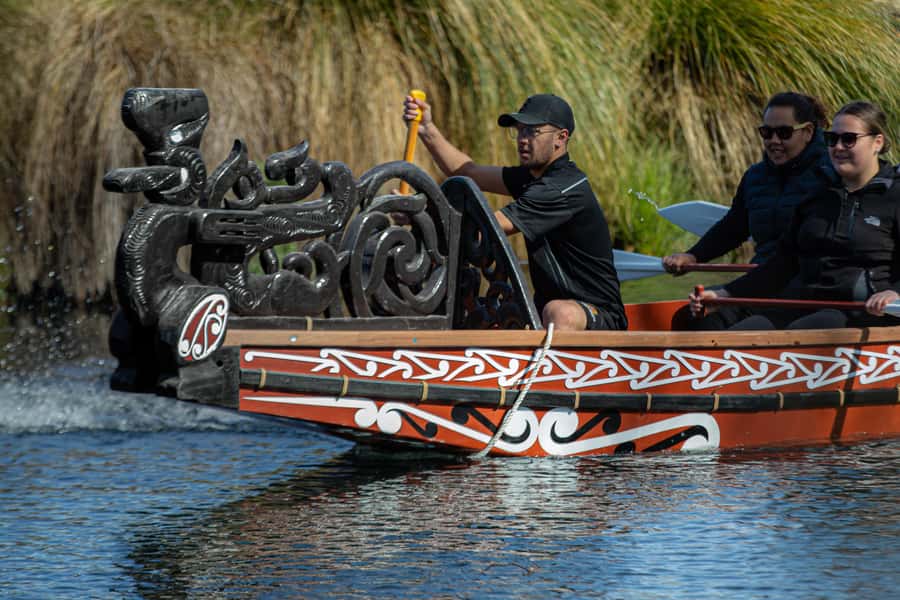
The experience is one hour, and that duration matters. It is long enough to feel the rhythm of a group paddle, but short enough that you are unlikely to dread the end of the session. You are likely to be on the water long enough to notice how the river changes the view of Christchurch, especially compared to standing on land.
Bring comfortable clothes suitable for paddling. The tour asks you to wear practical gear, not your best city outfit. You do not need anything fancy, but you do need to be able to move your arms and shift your stance without restriction.
You also need to be honest with yourself about swimming. This is not suitable for non-swimmers, and that is a big deal. Even if the water looks calm, paddling and getting in and out of a boat involves risk, so respect the limit. If you have any back issues, the tour also says it is not suitable for people with back problems. That is one of the areas where it is better to take the responsible choice and skip.
If you are new to paddling, you should still feel like you are part of the action. The group format helps, because you are not doing everything alone. You follow cues, learn what to do, and you get the payoff of actually experiencing the waka rather than just watching it.
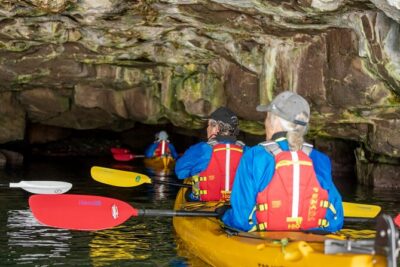
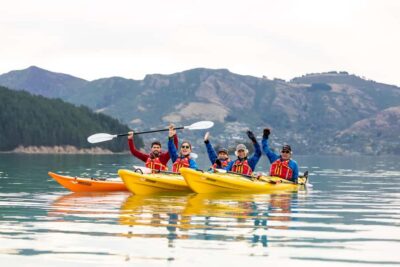
More kayak and canoe days around Christchurch
Christchurch and the river story: what you will remember after you land
One reason this tour works for first-timers in Christchurch is that it gives you a framework for understanding the city. You are not only learning about Māori culture in general. You are learning about how the river and the surrounding lands connect to the city’s past, including Christchurch’s 170-year journey.
This helps you later when you are walking around downtown. You start to recognize places as part of a continuing relationship between people and the river, not as random street views. Even if you do not memorize every detail, you will come away with a clearer sense of why the Avon is such an important thread through the city.
The experience also has that “from the water you see it differently” effect. From a waka, the river edges, the bend lines, and the way the city sits beside the water come into focus in a way that walking paths do not replicate. That difference can be surprisingly motivating, because it makes the stories feel tied to real geography.
If you want the city facts, this is a tour that tries to deliver them in context. The guide shares the scenery while explaining the history connected to the river and Christchurch. It is storytelling with a visual anchor.
Views from the water: practical take on the scenery and comfort
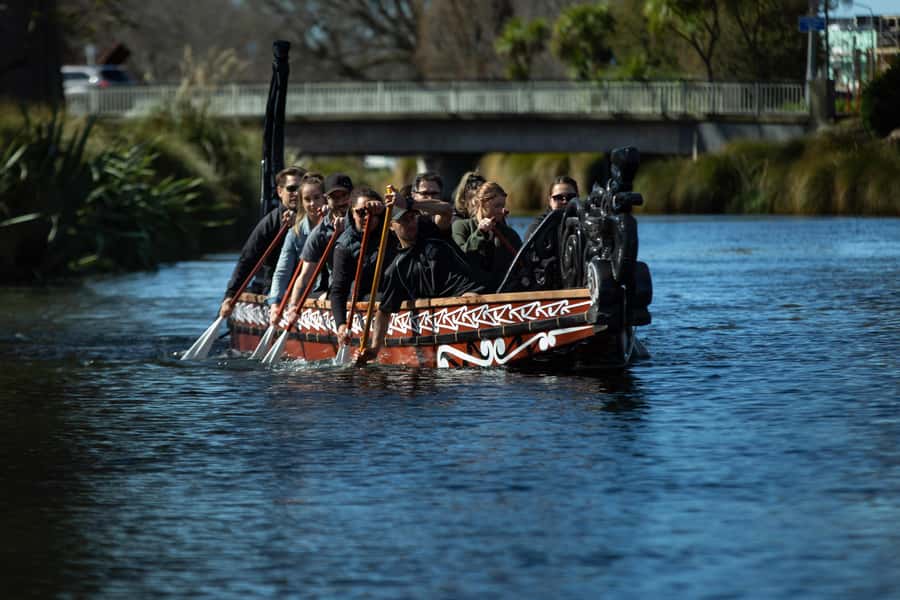
The highlights include scenic views of the river and the city. You are seeing Christchurch from a different height and angle, which helps you notice patterns you would miss from the bank. The waterline viewpoint tends to make the city feel more connected to the river system.
That said, keep practical comfort in mind. You will be outside, so you need sun protection. Bring a hat and sunscreen, and yes, actually use them. Bring water too. It sounds basic, but on a calm river day the sun can still catch up to you.
Clothing should work for the paddling motion, not just for looking good in photos. Light layers that do not restrict you are a smarter bet than heavy fabrics. If you are unsure, pack for mild-to-warm conditions and assume you will be slightly warmer while working your arms.
Also, smoking is not allowed, and alcohol and drugs are not allowed. That is good to know up front, since it keeps the experience focused on paddling, safety, and respect.
Price and value: is $59 worth it for a one-hour waka?
At $59 per person for one hour, you are paying for more than the boat. You are paying for a guided, structured experience that includes an official mihi greeting, an English-speaking guide, and cultural and city context tied to what you are doing on the water.
Here is how I think about the value. If you wanted only pretty river photos, you could probably find other free viewpoints around Christchurch. If you wanted a generic boat ride, you might find cheaper options. What you are buying here is the explanation plus participation, with a traditional waka setting that frames Māori culture as lived tradition, not a distant performance.
Food and drinks are not included, and transportation to and from the activity is not included either. That does not ruin the value, but you should plan for it. If you are comparing costs, factor in the time and local travel you will need to get to 794 Colombo Street and then back into your day.
One more value angle: the tour is short. In travel terms, one hour is efficient. You get a memorable experience without losing a whole chunk of your day.
What to bring (and what not to), so the hour stays fun
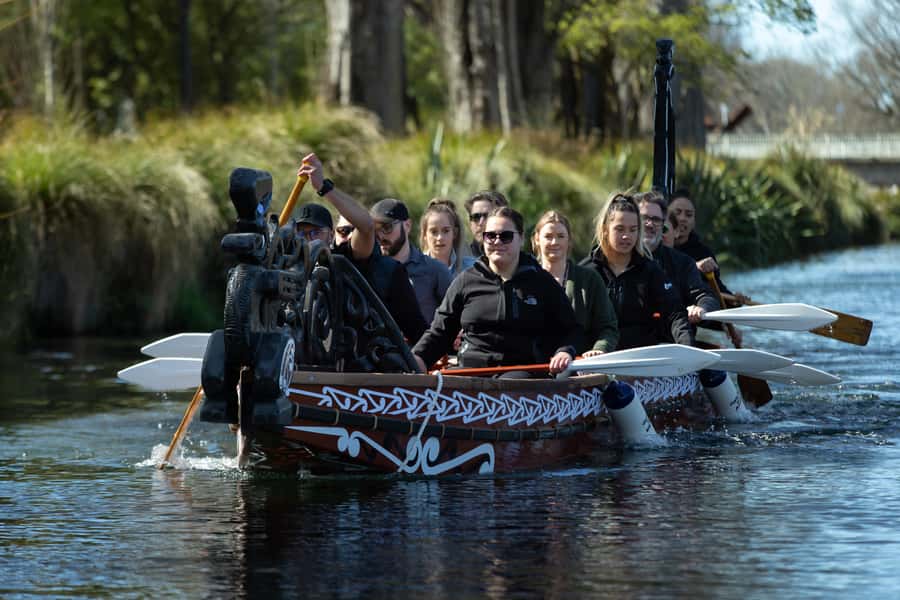
The tour is clear about what to bring. Pack a hat, sunscreen, water, and comfortable clothes that work for paddling. If you forget water, you will feel it fast, especially once you start using your arms.
Since the tour is not suitable for non-swimmers and is not suitable for people with back problems, you should also think about your body before you show up. If you have any doubt, choose a different activity that matches your comfort level.
Plan your arrival timing too. Get there 15 minutes before the scheduled time so you can take part in the greeting and overview without rushing. That little buffer makes a difference in how smooth the start feels.
Finally, know the no-go list. Smoking is not allowed. Alcohol and drugs are not allowed. That keeps the focus where it belongs, and it helps everyone stay clear-headed during paddling.
Who should book this waka experience, and who should skip it
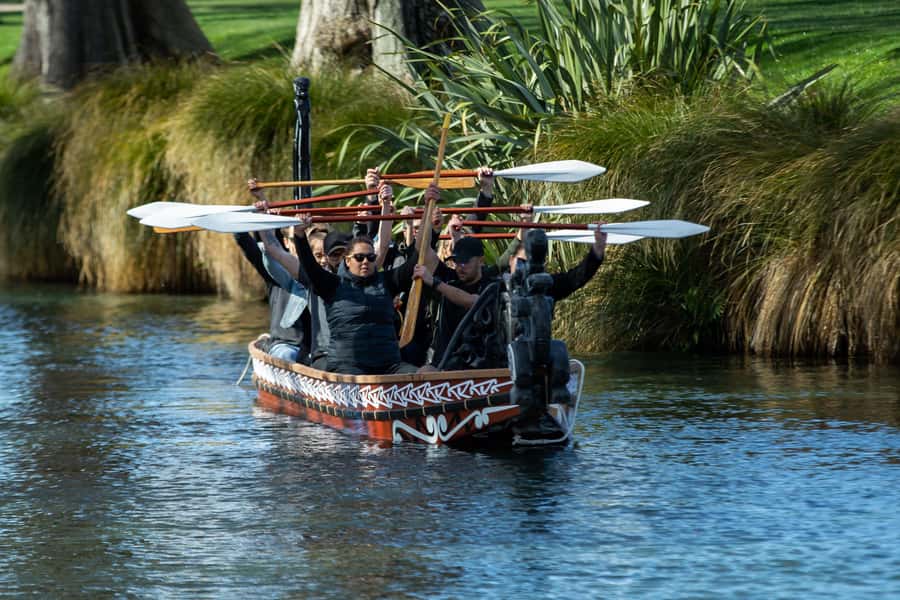
This tour makes sense if you want an active cultural experience in Christchurch, one where you paddle a traditional waka and hear guided stories about Māori tradition and the Avon River. It is also a strong choice if you want an easy way to learn how the city’s past connects to the river without reading a stack of guides first.
It might not be the right fit if you are expecting deep-distance paddling. The tour keeps the trip relatively close to the starting area, so the experience is about the canoe and the stories as much as it is about covering miles of river.
It is also not suitable for children under 5 years. If you are traveling with kids, this age limit matters more than most parents expect. People with back problems should skip, and non-swimmers should not plan on taking part.
Should you book? My practical recommendation
If you want a short, active Christchurch experience with a real cultural welcome, I would book this. The combination of paddling plus a mihi greeting plus English explanations tied to the river and Christchurch’s 170-year journey is the kind of “you learn while you do” format that tends to stick.
I would also book it if you like scenery that actually changes as you move, because the water-level perspective is a big part of the payoff. Just be honest about the trade-off. You are not signing up for a long, far-down-river workout.
Before you go, do three simple checks: you can swim, your back is good for paddling time, and you show up prepared with a hat, sunscreen, and water. If those boxes are ticked, this one-hour waka session is a smart use of time in Christchurch.
FAQ
How long is the Christchurch waka paddling experience?
It lasts 1 hour.
Where does the tour start?
The starting location is 794 Colombo Street in Christchurch.
Is there a greeting included?
Yes. You get an official greeting with a mihi (Māori greeting).
Is the tour guided?
Yes. You get a live tour guide in English, plus your Kaitahutū and Kaiārahi onboard share the route and history.
What should I bring?
Bring a hat, sunscreen, water, and comfortable clothes suitable for paddling.
Are food and drinks included?
No. Food and drinks are not included.
Can children take part?
It is not suitable for children under 5 years.
Is it suitable for non-swimmers?
No. It is not suitable for non-swimmers.
What is the tour provider and language?
The provider is KO TANE LIMITED, and the tour language is English.
Can I cancel for a refund?
Yes. You can cancel up to 24 hours in advance for a full refund.
Paddle Days Around Christchurch
Everything Else We Wrote Up in Christchurch




Around Christchurch
Just added to our Christchurch notes
- (MT) Mount Cook & Lake Tekapo Day Tour from Christchurch★ 4.8 · 6 reviews
- Christchurch: Sea Kayaking Tour of Lyttelton Harbour★ 5.0 · 6 reviews
- Christchurch: Lake Tekapo Stargazing & Mount Cook 2-Day Tour★ 5.0 · 6 reviews
- Christchurch: Akaroa and Banks Peninsula Day Trip★ 5.0 · 6 reviews
- Christchurch: 20-Minutes City Helicopter Flight★ 5.0 · 6 reviews
- Christchurch: Helicopter Trial Flight★ 5.0 · 7 reviews
Christchurch Tours and Attractions, compared.
 ★ 4.5Christchurch Hop-On Hop-Off TramFrom $24841 reviews
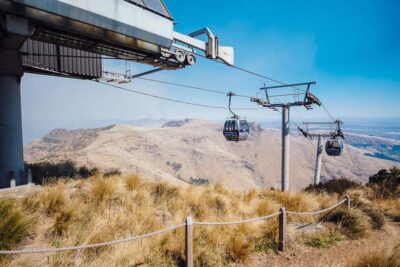 ★ 4.5Christchurch Gondola and Tram City Tour ComboFrom $46725 reviews
 ★ 4.6Christchurch: Hop-On Hop-Off Tour by Vintage TramFrom $23717 reviews
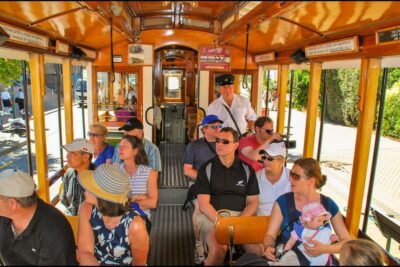 ★ 4.7Christchurch: Tram, Punt and Gondola Ride Combo TicketFrom $68608 reviews
 ★ 4.5International Antarctic Centre General Admission TicketFrom $45484 reviews
 ★ 4.9Mount Cook & Lake Tekapo Day Tour from ChristchurchFrom $146483 reviews
 ★ 4.5Waipara Wine Tour from Christchurch – including Lunch & TastingsFrom $117462 reviews
 ★ 4.6Christchurch: Gondola RideFrom $25408 reviews
Browse the lists this tour appears in